The regional cricket circuit has been shaken by scenes in Antigua as a first-class encounter was reportedly abandoned following concerns over player safety. What began as a standard competitive fixture between two prominent Caribbean sides devolved into a crisis, with officials eventually deciding to pull the players from the field. Reports suggest that erratic and dangerous deliveries made continued play impossible, leading to one of the rarest outcomes in the professional game.
The decision followed a distressing incident involving a Leeward Islands player who was struck by a ball that reportedly reared up sharply from a good length. The impact was significant enough to require medical intervention, with the player eventually being transported to a local facility for assessment. This injury served as a breaking point for the match officials, who had been monitoring the deteriorating conditions of the playing surface.
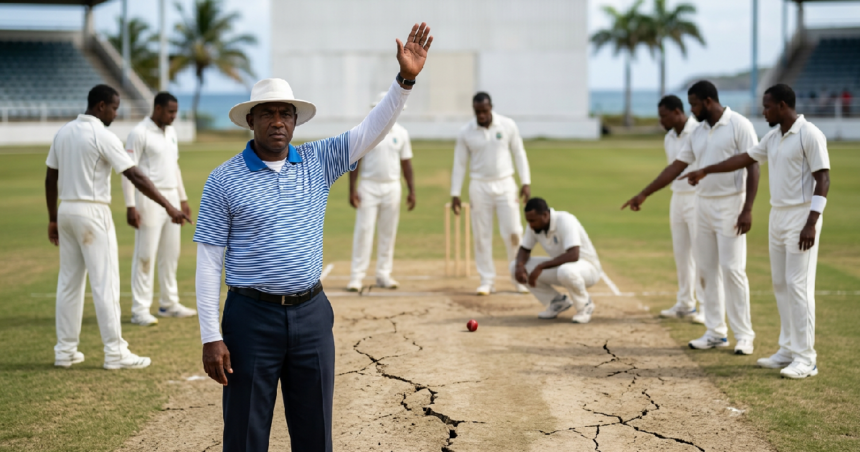
According to reports, the volatility of the bounce increased as the match progressed. While regional surfaces in the Caribbean are known for their varying character, the unevenness displayed in this fixture reportedly crossed the line from a sporting challenge to a physical hazard. When a pitch provides inconsistent bounce to the extent that a batter cannot reasonably protect themselves, the laws of the game allow for play to be suspended.
Ground Staff Under Scrutiny as Safety Concerns Rise
The Trinidad team reportedly voiced unease as deliveries began to behave unpredictably, shooting through at ankle height before the next ball climbed toward the throat from a similar spot. The departure of the injured player under such circumstances essentially stripped away any remaining justification for continuing. The match referee and umpires held discussions with both captains before the final call was made to abandon the game.
This incident adds to a growing conversation about the quality and preparation of domestic pitches. While fans are used to seeing varied conditions across major sporting venues, the total abandonment of a professional match remains a serious matter. Maintaining the integrity of first-class cricket requires surfaces that reward skill rather than punish players with physical harm.
The abandonment leaves both representative squads in a difficult position regarding points allocation. In most cases where a game is called off due to field conditions, the governing body must decide whether to reschedule the fixture or split the points. Given the packed nature of the regional calendar, finding a suitable window to replay a multi-day match is expected to be a significant logistical challenge.
Wider Implications for League Standards
Beyond the table standings, there is the human element. The health of the injured player remains the primary concern for both camps. Fast bowling is a dangerous trade without the added variable of an unreliable surface. It draws parallels to other high-stakes environments where athlete safety has recently taken center stage, such as the new regulations impacting competitive sports at the highest levels. In every discipline, the duty of care toward the participant must outweigh the desire to finish a scheduled event.
Governing bodies are expected to look into the preparation of the pitch in Antigua. Ground staff will likely face questions regarding the moisture content of the soil and the rolling patterns used in the lead-up to the match. While the Caribbean climate can be unforgiving, with intense heat often baking the soil into a treacherous crust, the frequency of pitch-related complaints has been a point of contention in recent years.
For the touring Trinidad squad, the frustration is compounded by the loss of a competitive opportunity to climb the rankings. The team has reportedly been working on a specific blend of youth and experience, looking to assert dominance in the long-form format. Interruptions of this nature disrupt the rhythm of the squad and leave bowlers and batters alike searching for form without the benefit of match mileage.
Future Safety Protocols and Venue Certification
The Leeward Islands will now have to monitor their squad depth, particularly if their injured teammate is sidelined for an extended period. Injuries resulting from pitch conditions are particularly frustrating for coaching staff, as they are entirely outside the team’s control. The focus for both teams now shifts to their upcoming fixtures, though the shadow of this abandoned game will likely loom over the next few weeks.
Just as teams in other leagues are forced to adapt to sudden changes, such as how teams in various major leagues pivot after unexpected setbacks, these Caribbean franchises must mentally reset. The governing bodies must ensure that the next set of wickets prepared for these teams meets the required standards to prevent a repeat of these scenes.
There is no word yet on whether the venue will be cleared to host more matches in the immediate future, but a review process seems likely. Until then, the safety of the players remains a talking point that the regional board cannot afford to ignore. Ensuring that the surface is both fair and safe is paramount to protecting the prestige of first-class cricket in the region. Description of conditions and the subsequent medical attention required suggest that authorities will be under pressure to provide answers quickly. Bowls that change height drastically from similar landing spots are the primary indicator of a pitch that has become unfit for use. Moving forward, the emphasis must remain on the quality of preparation to ensure that the sport remains a contest of skill rather than a test of physical endurance against the elements.