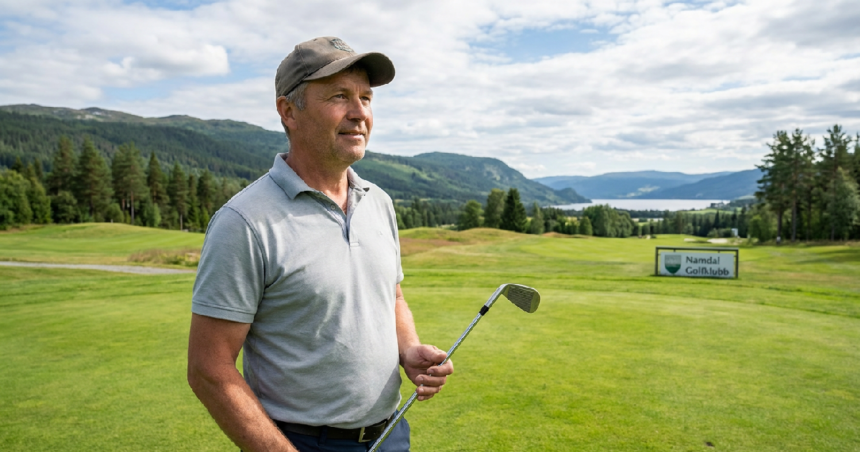
In the quiet corners of the golf world, away from the glitz of the PGA Tour and the high-stakes drama of professional majors, the game serves a far more fundamental purpose. For Leif, a golfer whose story has recently resonated across the Namdalen region, the local golf course at Namdal is more than just a series of fairways and greens; it is reportedly a vital mental sanctuary. It’s a place where the clutter of daily life and the “dirt” of the world outside are left at the clubhouse gates.
The local golf scene often thrives on these personal connections to the turf. For many residents, the appeal isn’t just about shaving a stroke off a handicap or perfecting a swing. It’s about the silence that can be found during a morning round before the rest of the world wakes up. Golf has long been documented as a sport that demands total focus, a characteristic that makes it a useful vehicle for mindfulness and mental clarity.
The Mental Benefits of the Green Sanctuary
For players in the region, the allure of the course lies in its ability to force a single-minded perspective. You cannot successfully navigate a dogleg or judge a breaking putt if your mind is preoccupied with work deadlines or personal stressors. This forced presence is what many amateur golfers describe as a perfect leisure time, where the environment itself provides a buffer against the noise of modern existence.
The psychological shift that occurs when stepping onto the grass is tangible. In a world increasingly dominated by digital connectivity and rapid-fire information, the deliberate pace of golf offers a necessary counterweight. Just as Seattle sports fans engage in deep debate over the direction of their favorite franchises to find community, local golfers find their own sense of belonging and peace through the rhythmic nature of the game.
Escaping the Daily Grind through Sport
The concept of “forgetting all the dirt” is a powerful testament to why local sports clubs are the backbone of many communities. It reflects a need for purity—a clean break from the complexities of life. In Namdal, the golf course serves as this clean slate. The physical act of walking the course, often covering several kilometers in a single round, releases endorphins that combat stress, while the green landscape provides a proven natural relief for the brain.
And while individual stories like Leif’s are common, they highlight a trend in how we view recreational sports. It isn’t just about physical fitness anymore; it’s about emotional resilience. Whether it is a golfer in Norway or international athletes preparing for major tournaments across the globe, the drive to find a “flow state” remains the universal goal of the sporting life.
Grassroots Golf and Community Health
The importance of maintaining local courses cannot be overstated. When we discuss the health of a sport, we often look at television ratings or equipment sales. However, the true health of golf is found in the local membership numbers and the stories of people who rely on these facilities for their well-being. Clubs that prioritize accessibility and a welcoming atmosphere for amateurs are essentially providing a public health service.
Golf’s unique structure—the lack of a clock and the ability to play against oneself—makes it more accessible than high-impact sports for a wide demographic. This longevity allows players to maintain their sanctuary well into their later years, providing a consistent anchor in an ever-changing world.
A Perspective on the Future of Local Clubs
The focus on mental health in sports continues to sharpen. Clubs are beginning to realize that their value proposition isn’t just about the play, but about finding peace. This shift in messaging is helping to attract a younger generation that is increasingly seeking out hobbies that offer a digital detox.
The narrative of the local golfer finding solace on the fairway is a reminder that sports are, at their heart, a human experience. While the headlines are often dominated by major transfer targets in football or championship bouts in the UFC, the local golfer’s quiet round is just as significant. It is a pure form of leisure—an hour where nothing matters but the ball, the club, and the horizon.
Why the Perfect Leisure Time Matters
Ultimately, the story of Leif is a story of balance. We all need a place where the pressures of the day do not follow us. For some, that might be a hiking trail or a library, but for a significant number of people, it is the meticulously kept grass of their local golf course. The ability to switch off the world and switch on the swing is a skill that pays dividends far beyond the scorecard.
As the season progresses, the fairways in Namdal and beyond will continue to fill with people seeking that same sense of relief. It remains a testament to the enduring power of the game that, despite all modern distractions, a simple walk in the park with a set of clubs remains a popular escape.