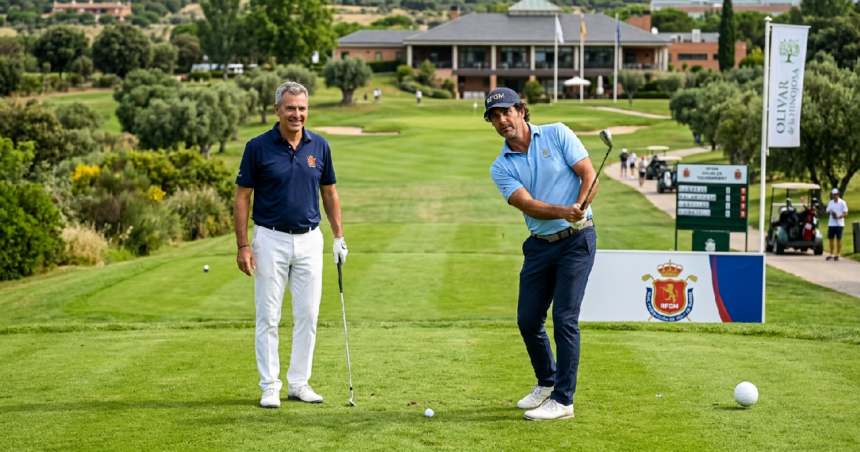
Team dynamics took center stage at the Olivar de la Hinojosa circuit as the Real Federación de Golf de Madrid (RFGM) held its latest doubles event. This format remains a cornerstone of the regional competitive calendar, shifting the focus from individual grinding to the strategic nuances of partnership play over 18 holes.
The course, known for its undulating fairways and strategic water hazards, provided a rigorous test for the field. Unlike individual stroke play, the doubles format requires a different mental approach. Competitors aren’t just managing their own mistakes; they are playing to their partner’s strengths. Reports from the event suggest that the layout at Olivar de la Hinojosa particularly rewarded those who could coordinate their approach shots to navigate the trickier pin positions.
Strategic Demands at Olivar de la Hinojosa
The RFGM tournaments are often used as a barometer for the health of regional golf in Spain, and the turnout for this pairs event indicates a robust interest in the social yet competitive side of the game. Playing in pairs often alleviates some of the solitary pressure of golf, but it introduces a new layer of complexity regarding club selection and risk management.
At Olivar de la Hinojosa, the wind often plays a significant factor, especially on the back nine. Sources close to the federation noted that successful pairs were those who communicated effectively on the tee box, ensuring at least one ball was safely in play before the other attempted to find more aggressive lines. It is this specific tactical requirement that makes the RFGM doubles events a favorite for local stick-holders.
The Role of the RFGM in Local Development
The Real Federación de Golf de Madrid has been proactive in diversifying the types of competitions available to its members. By utilizing high-traffic, well-maintained venues like Olivar de la Hinojosa, they ensure that the sport remains accessible while maintaining a high standard of play. This specific event is part of a broader effort to keep the competitive calendar varied, moving beyond traditional formats to test the versatility of Madrid’s amateur and semi-professional ranks.
The federation continues to emphasize golf as a discipline that thrives on community. While the final standings from this latest outing reflect the depth of talent within the region, the broader takeaway is the continued popularity of the pairs format. It forces a level of camaraderie and collective problem-solving that individual play simply cannot replicate.
Looking Toward the Season Ahead
As the RFGM calendar progresses, the experience gained at venues like Olivar de la Hinojosa will likely influence the selections for upcoming inter-territorial matches and larger federation championships. Players who showed well in this doubles format have demonstrated an ability to handle the pressure of team representation, a trait highly valued by federation selectors.
The condition of the course reportedly held up well under the strain of a full field, with green speeds remaining consistent throughout the day. This consistency is vital for the RFGM as they look to maintain the momentum of their seasonal schedule. With several more events slated for the coming months, the focus will soon shift back to individual rankings, but the tactical lessons from the Olivar de la Hinojosa pairs event will likely stay with the competitors.
For now, the Madrid golf scene remains one of the most active in the country. The successful execution of this pairs tournament reinforces the idea that there is more to the game than just the lowest individual score; it’s about how you adapt to your surroundings and your teammates.