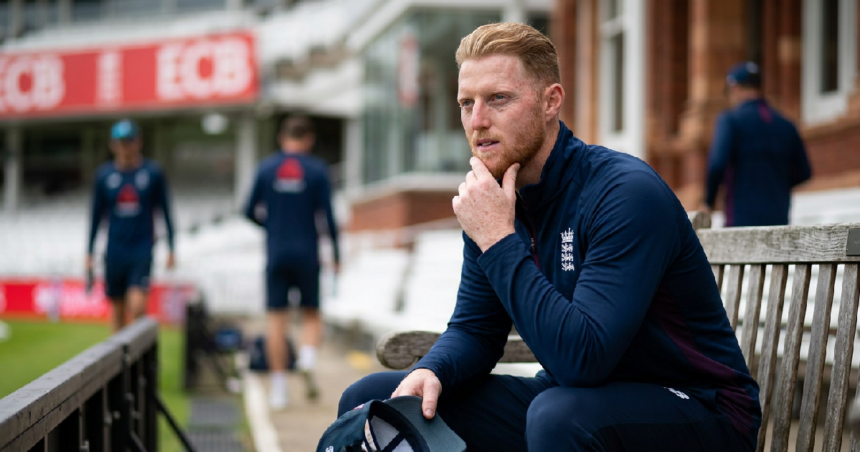
England Test captain Ben Stokes has opened up about the intensive recovery process following facial surgery, admitting there were periods where the future of his professional career felt uncertain. Reflecting on the aftermath of a major procedure intended to rectify long-standing issues, the all-rounder has detailed the difficulties of returning to top-flight cricket after such a significant medical intervention.
The veteran skipper, who has frequently been the tactical and emotional driver of the national side, described the complexity of the corrective work required. While he is no stranger to the operating table—having previously undergone surgery on his knee to extend his time as a bowling option—this latest hurdle was of a different nature. It involved not just the physical ability to compete, but the psychological challenge of navigating a recovery that felt more personal and intrusive than a standard sports injury.
For a period, Stokes’s absence from the international arena led to speculation regarding his potential retirement. The captain himself reportedly shared those concerns, acknowledging that he had to consider the possibility that his time in an England shirt might have come to an end. His journey back to fitness serves as a blunt reminder of the physical stakes involved in professional cricket, even for a player renowned for his durability in the Test format.
The Complexity of Recovering from Facial Trauma
The details surrounding the surgery indicate a complex medical undertaking. Reports suggest the procedure was essential to address structural damage that had caused complications both on and off the field. This required a prolonged period of inactivity, forcing the captain to step away from the high-pressure environment of the international circuit. In an era where elite athletes are often viewed as indestructible, his willingness to discuss these vulnerabilities marks a change in how modern leaders manage their public image.
This period of forced reflection comes at a time when several iconic sporting figures are weighing their futures. Just as Mohamed Salah faces a career-defining choice regarding his next move, Stokes found himself assessing whether the physical demands of captaincy were still compatible with his long-term health. The admission that “I might not be here” highlights the reality that the conclusion of a sporting career is frequently decided by medical necessity rather than personal ambition.
The England medical department reportedly handled his rehabilitation with significant caution. Facial injuries present specific hurdles for cricketers, particularly regarding vision, breathing, and the ability to track a ball arriving at high speeds. For a player who is expected to field in high-reaction positions and bat with aggressive intent, any lasting impairment in these areas would have likely ended his career prematurely.
Balancing Leadership with Physical Limits
The modern era of England’s Test cricket demands a tireless level of commitment. The tactical approach favored by the current coaching staff requires a leader who can set the tone through physical exertion, whether through long bowling spells or high-tempo batting. While Stokes has a history of pushing through pain barriers, facial surgery presented a structural limit that could not be bypassed with mental strength alone.
The transition from the roar of a packed stadium to the quiet of a recovery ward is a significant mental shift. Having been candid about his mental health in the past, the captain needed to draw on those same reserves of fortitude to handle the uncertainty of his latest comeback. This process was as much about regaining confidence in his body’s resilience as it was about healing the physical damage.
Integration and the Future of the Test Side
As the international schedule progresses, the focus shifts to how the skipper will be managed. His workload has long been a topic of debate, with many suggesting a more specialized role may be necessary to protect his longevity. There is a growing sense that this latest health scare has encouraged a more pragmatic view of his involvement in all facets of the game.
While cricket is a sport built on history, its modern version is heavily influenced by how the game is broadcast and delivered to a global audience. Just as a streaming glitch impacted Giants fans during a major baseball broadcast, the absence of a marquee name like Stokes fundamentally changes the experience for the fans. His presence is central to the team’s public identity and its competitive edge.
Upcoming series are expected to feature a more carefully monitored version of the captain. Whether he continues to operate as a genuine all-rounder or transitions into a specialist batsman and leader remains uncertain. The priority for the England and Wales Cricket Board remains the long-term health of their most influential asset, ensuring he does not suffer a setback that could force a permanent exit.
Preparing for Life Beyond the Current Era
During the period Stokes was sidelined, the squad was forced to explore different leadership structures and middle-order options. This provided an opportunity for younger players to establish themselves, giving management a look at the team’s potential future. It has been a period of evaluation for the selectors, who are tasked with finding a balance between current success and future sustainability.
There are clear parallels between the evolution of the England squad and broader changes in professional sports. For instance, as the NBA is expanding to new cities to broaden its reach, cricket organizations are similarly looking to expand their depth to move away from an over-reliance on a few senior figures. Relying on one or two “miracle workers” is a high-risk strategy, as this latest injury scare has highlighted.
Stokes has built a reputation for succeeding when the odds are stacked against him. His history is defined by moments of individual brilliance that changed the course of major matches. However, this recovery from facial surgery was a different kind of challenge, fought away from the public eye. His return to the fold will be welcomed, but his recent experiences serve as a reminder of the fragility of even the most storied sporting careers.