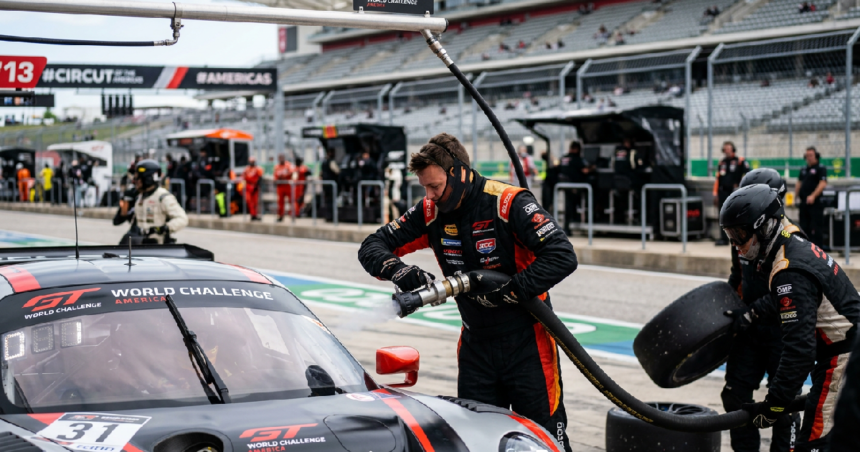
SRO America officials have implemented significant regulation changes ahead of this weekend’s GT World Challenge America event at Circuit of The Americas (COTA), mandating three pit stops and refueling for all competitors. The Austin-based organization confirmed that each entry in the GT3 category must now complete a minimum of three stops, with any trip to the pits involving fuel requiring a mandatory minimum duration from pit entry to exit. This strategic pivot coincides with high expectations for spectator turnout at the Texas circuit, as organizers report that pre-event ticket sales are trending strongly compared to previous endurance events held in the United States.
The technical shift follows an earlier adjustment to maximum stint lengths, which were extended earlier this week to give teams more flexibility in their run times. Series organizers reportedly intended the adjustments to align GTWC America more closely with global GT World Challenge standards while neutralizing perceived fuel efficiency advantages held by certain manufacturers earlier in the season. While the changes aim to ensure competitive parity across the field, some drivers have expressed concerns that the tighter operating window may narrow the scope for strategic creativity during the long-distance rounds.
Strategic Constraints Reshape the Austin Grid
Daniel Morad, who returns to the grid this weekend piloting a Mercedes-AMG GT3 Evo for TR3 Racing, indicated that the new mandates could alter how teams approach the race. The heavy regulations reportedly create a smaller window for teams to find a tactical edge, particularly for those focusing on rapid mechanical stops. Despite these constraints, the machinery Morad is sharing with Brayton Williams has a reputable history, utilizing a chassis that has seen competitive action in various North American sprint and endurance formats.
The weekend also marks a busy period for series staff members, many of whom are based in the Austin area. To celebrate the scale of the event, which features five different championships, a collective photo was organized on the track during the event build-up. This atmosphere of growth contrasts with the technical hurdles facing newly debuted entries, such as the Rebel Rock Racing Aston Martin Vantage GT3 Evo. Drivers Robin Liddell and Frank DePew reportedly saw their early sessions limited by mechanical issues, including transponder electronics and gearbox concerns that surfaced during the initial practice runs.
Adjustments to COTA Track Surface and Curbs
Drivers arriving for their sessions found a slightly different circuit than the one they initially scouted. Track officials reportedly lowered the “pyramid” style apex curbs at several corners, including the high-speed sequence through the early sectors and Turn 9, following feedback from teams and drivers. The initial height of the curbs reportedly prompted some competitors to drive around the apexes rather than over them, but the modifications are expected to bring the track closer to the specifications seen during previous seasons.
The technical demands of COTA often force teams to reconsider their car setups, especially when dealing with high track temperatures or unpredictable surface grip. While this event has not faced the same weather disruptions as the Formula 1 sessions at Suzuka, the localized changes to the track surface remain a central talking point for the GT4 and GT3 fields alike. Teams are spending more time analyzing data to ensure their suspensions can handle the revised curb profiles without compromising aerodynamic stability.
Porsche and Ferrari Entrants Brace for Challenges
The Pro-Am class looks set for a competitive showdown as teams like GMG Racing look to maintain their recent momentum. Despite their success in previous rounds, the Austin circuit is expected to provide a tougher test for various Porsche setups compared to tighter, more technical tracks. Observers suggest that the current Evo kits for many GT3 cars offer better drivability and consistency over a long run, which will be vital for the multi-stop format mandated for this weekend. The field has notably thickened as several veteran squads return to the paddock.
Triarsi Competizione makes its return to the series after a significant absence, bringing a Ferrari 296 GT3 adorned in a striking gold-colored livery. The team is reportedly splitting its focus this season between various endurance platforms and this Austin appearance. Similar efforts to find balance in high-stakes competition are mirrored in other sports, such as when Luke Littler led technical drills for his teammates to ensure peak performance under pressure. For the Ferrari squad, the challenge lies in adapting to the unique tire wear characteristics of the COTA asphalt.
GT4 America Prepares for Three-Hour Enduro
The GT4 America field faces its longest race of the season this weekend with a three-hour endurance format. Westin Workman, a prominent figure in the Silver class standings for RAFA Racing Team, noted that the added length would require multiple driver changes and a different approach to fuel management. This departure from the standard sprint format places a premium on pit crew execution and long-term tire preservation over several hours of racing.
Team managers in the paddock have noted that the three-hour race is often among the most unpredictable events on the schedule. With the championship hunt intensifying, teams are prioritizing perfection in the pits to avoid being caught out by the unique strategy windows presented by the Austin round. This transition to longer formats requires a level of focus akin to the deep analysis seen when athletes target multi-division titles in other disciplines. Every second spent in the pits will be under intense scrutiny given the new minimum time regulations.
Family Ties and Future Hardware Developments
The paddock also saw a notable visitor in Marcus Ericsson, the former Formula 1 driver and Indianapolis 500 champion. He traveled to Texas to support his younger brother, Hampus Ericsson, who is competing for Random Vandals Racing. Hampus, who has established a base in the United States to pursue a full-time professional racing career, has indicated an interest in the brothers eventually teaming up for major endurance events held later in the racing calendar.
Away from the current competition, reports regarding the future of the GT4 category have begun to circulate. Observations of a Porsche 911 GT4 testing at the Nürburgring suggest the manufacturer may be preparing a successor to its current customer racing platform for a future debut. The project is expected to continue utilizing a naturally aspirated engine, signaling a commitment to internal combustion power for customer racing programs even as the broader automotive industry explores electrification. These developments suggest that while the regulations on-track are changing, the long-term investment in GT racing remains robust.