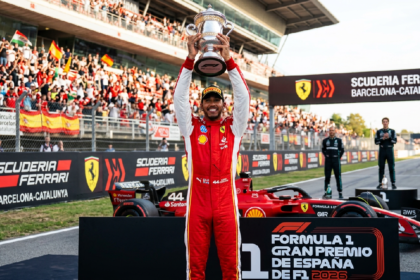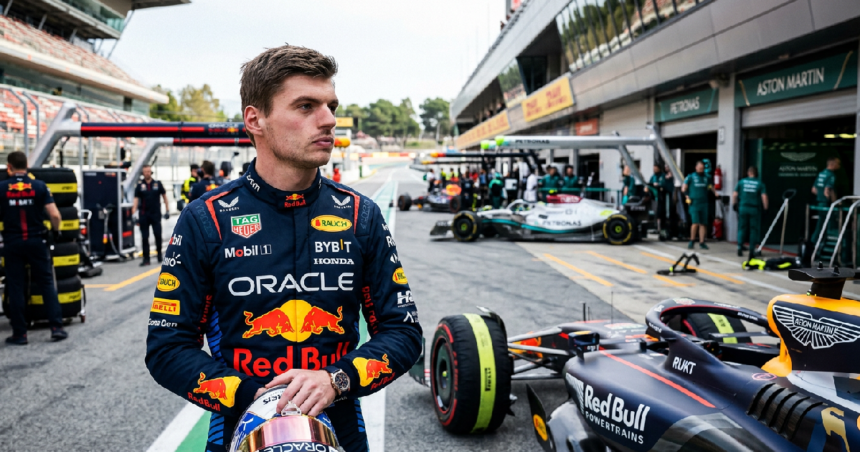
The Formula 1 paddock is currently gripped by a singular question: where will Max Verstappen be when the sport undergoes its significant regulatory shift in 2026? While the Dutchman remains the dominant force on the grid, the combination of internal team dynamics and a radical technical overhaul has turned his long-term future into the primary talking point of the season. It is a saga that involves not just Red Bull Racing, but the strategic interests of every major manufacturer on the grid.
For several seasons, the partnership between Verstappen and Red Bull appeared unshakable. Together, they dismantled records and established a level of consistency rarely seen in top-flight motorsport. But the horizon is shifting. The 2026 season is widely regarded as bringing some of the most complex changes to power unit and aerodynamic regulations in recent memory. For a driver of Verstappen’s caliber, the goal isn’t just to be in a fast car now, but to ensure he is tied to the project that best interprets the upcoming rulebook.
The Red Bull Power Trains Gamble
The core of the uncertainty lies in Red Bull’s move to become an independent engine manufacturer. By partnering with Ford to create Red Bull Powertrains, the team is taking a historic risk. For the first time, they will not be a customer or a works partner to an established giant like Honda or Renault; they will be seeking to master their own destiny.
However, building a competitive F1 engine from scratch is notoriously difficult. Rivals like Ferrari and Mercedes have established architectural institutional knowledge. While reports suggest the project is moving through its development phases, the pressure to reassure their star driver is immense. If there is a hint that the 2026 engine might lag behind the competition, Verstappen’s loyalty will be tested. He has often stated that he has no interest in circulating in the middle of the pack, regardless of his past successes with the team.
The situation is further complicated by leadership shifts and internal friction that surfaced earlier this year. Stability has always been Red Bull’s greatest asset, but as key personnel have been linked with moves elsewhere, the “dream team” environment that Verstappen enjoys is facing its first real fracture. Similar to how Manchester United has sought to reshape its foundations through structural change and investment, Red Bull is fighting to keep its infrastructure robust enough to satisfy its most valuable asset.
Mercedes and the Lure of the Silver Arrows
Toto Wolff has been uncharacteristically public about his desire to bring Verstappen to Mercedes. With Lewis Hamilton heading to Ferrari, the Silver Arrows have a vacant seat and a need for a generational talent to lead their next era. Unlike Red Bull’s start-up engine project, Mercedes is often cited for its historical ability to handle major regulatory transitions, leading many to wonder if they can replicate past successes in the next era.
Potential for Performance
For Verstappen, a move to Mercedes wouldn’t be about prestige; it would be a hedge against technical failure. Mercedes is reportedly dedicating extensive resources into their 2026 power unit, with observers suggesting they are aiming to regain a significant performance advantage. If the Dutch champion believes that the Mercedes engine will be the class of the field, the sporting logic for a move becomes harder to ignore. Much like how Oscar Piastri has shown his potential at Suzuka and other technical circuits, Verstappen knows that a driver is only as good as the package beneath them when the rules reset.
The Aston Martin Factor
It is not a two-horse race, either. Aston Martin’s upcoming partnership with Honda in 2026 makes them a contender in the Verstappen sweepstakes. Honda is the manufacturer that powered Verstappen to his current championships, and the relationship between the driver and the Japanese engineers is understood to be strong. With significant investment in a new wind tunnel and campus, the Silverstone-based team is positioning itself as a legitimate “works” alternative to the established powers.
Verstappen’s Motivation and Legacy
What makes this particular “silly season” different is Verstappen himself. He is not a typical modern athlete driven by branding or social media presence. He is a purist who cares about winning and the feeling of the car. He has already hinted at the possibility of a move or even an early retirement on several occasions, suggesting he won’t stick around just to collect a paycheck if the car isn’t capable of victory.
This creates unique leverage. Red Bull cannot simply offer more money; they must offer the certainty of performance. The battle for his signature is essentially a battle of engineering departments. As the sport looks toward a future of increased sustainability and electrical power, the tactical moves made by team principals today will determine the hierarchy of the next decade. While some discussions in sport focus on long-term transitions, such as how the NBA is expanding its footprint into new markets, F1’s expansion is internal, focused on technical supremacy.
The coming months will be critical. As the first fire-ups of the 2026 prototype engines reportedly occur behind closed doors, the rumors will only intensify. Verstappen holds the key to the market, but in a sport as volatile as Formula 1, even the best player on the grid must ensure they choose the right project at the right time.