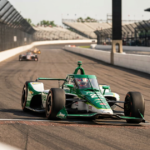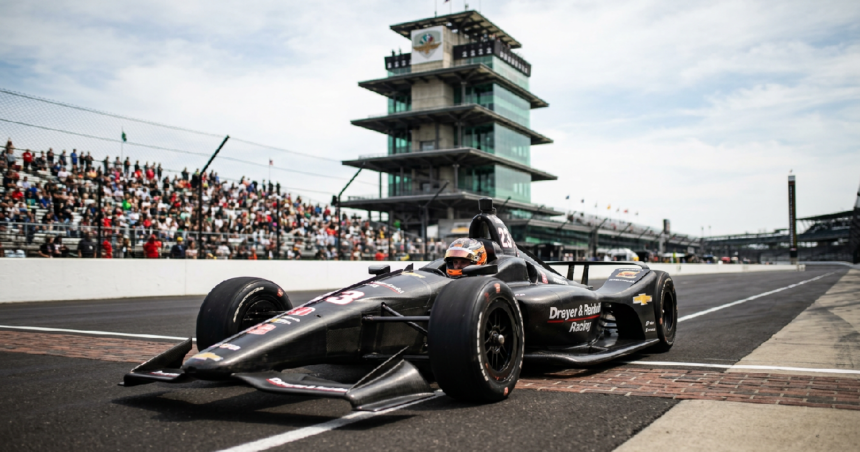
Conor Daly emerged as one of the fastest drivers during the opening phases of the Indianapolis Motor Speedway Open Test, highlighting a productive start for the Dreyer & Reinbold Racing squad. As teams gathered at the historic 2.5-mile oval to begin their preparations for the Indianapolis 500, Daly’s performance reportedly placed him at the sharp end of a leaderboard filled with former winners and series veterans.
Driving the No. 23 Chevrolet, the Indiana native found speed in the closing stages of the session to outpace several heavy hitters, including Helio Castroneves. The Meyer Shank Racing veteran was also among those showing strong pace as teams utilized the session as a critical shakedown. While these testing speeds are often influenced by aerodynamic tows and varying track conditions, the early form shown by Daly provides a significant boost for his team, which operates as an Indianapolis-only entry. The level of preparation required for such a high-stakes event mirrors the meticulous planning seen in major sports transactions where every detail is scrutinized months in advance.
Behind the lead pair, the session was largely dominated by experienced champions. Drivers like Takuma Sato, Scott Dixon, and Alexander Rossi all featured prominently in the upper half of the speed charts. This phase of the month is typically dedicated to refining race setups, with teams prioritizing data on tire degradation and fuel consumption over outright qualifying trim.
Veterans Focus on Technical Refinement at the Brickyard
The opening day saw a concentrated effort from the series’ most established teams to establish a baseline for the coming weeks. Takuma Sato, representing Rahal Letterman Lanigan Racing, and Scott Dixon of Chip Ganassi Racing were both reported to be among the quickest on track. This technical focus is a hallmark of the April tests, where gathering information on how the cars handle in changing temperatures is paramount to success in May.
For Alexander Rossi, now with Ed Carpenter Racing, the initial running reportedly signaled a smooth transition into his program. The intensity of these testing sessions is rarely matched elsewhere in motorsport, though the mental fortitude required is similar to the patience stars like Mohamed Salah must exercise when weighing major career decisions. The objective for the leading teams remains consistency rather than singular fast laps, as they look to build a car capable of handling the unique demands of 500 miles.
Reports from within the Dreyer & Reinbold camp suggested a high level of satisfaction with their winter development program. While it is only the earliest stage of the month, the car was described as having a balanced and responsive feel. The partnership with Chevrolet continues to be a vital component of the team’s ability to compete with the larger, full-time operations that dominate the paddock.
Overcoming Track Conditions and Mechanical Hurdles
The opening of the test was not entirely without incident. Romain Grosjean, driving for Dale Coyne Racing, was among those who featured in the top ten, despite his morning being interrupted by an unusual bird strike. Debris from the impact reportedly entered the cockpit area, requiring the team to perform an extensive cleanup that cost the crew valuable track time. Such incidents underscore the unpredictable nature of testing at high speeds.
Environmental factors also played a role in the day’s progression. Overnight moisture led to “weepers”—water seeping through the track surface—which caused delays as safety crews worked to ensure the asphalt was dry and safe for high-speed running. These interruptions are a common hurdle at Indianapolis, where the local water table often dictates the morning schedule. The precision required to manage these delays and maintain focus is as intense as the drills led by young leaders like Luke Littler in other competitive environments.
While most of the entries were able to log significant mileage, Katherine Legge faced a more difficult start. Reports indicated that technical issues related to the car’s electronics confined her to very limited running, preventing her from completing the scheduled veteran refresher program. Her team, which involves a partnership with A.J. Foyt Racing, will focus on rectifying these glitches before the next available track session.
Looking Toward Long-Run Simulations and Traffic Data
The field is expected to return to the circuit shortly to continue their testing programs. With the initial shakedowns and systems checks completed, the focus for the engineers will shift toward long-run simulations. Understanding how the cars behave in heavy traffic and following in the aerodynamic wake of other drivers is the top priority before qualifying preparations begin in earnest.
For Conor Daly and the Dreyer & Reinbold team, the goal is to carry the momentum of their fast start into the next phase of testing. While leading an open test is no guarantee of success when the grid is decided, it serves as a statement of intent. The hierarchy of the paddock is starting to take shape, but the early leaderboard is merely the opening chapter of what is traditionally a very long and unpredictable story at the Brickyard.