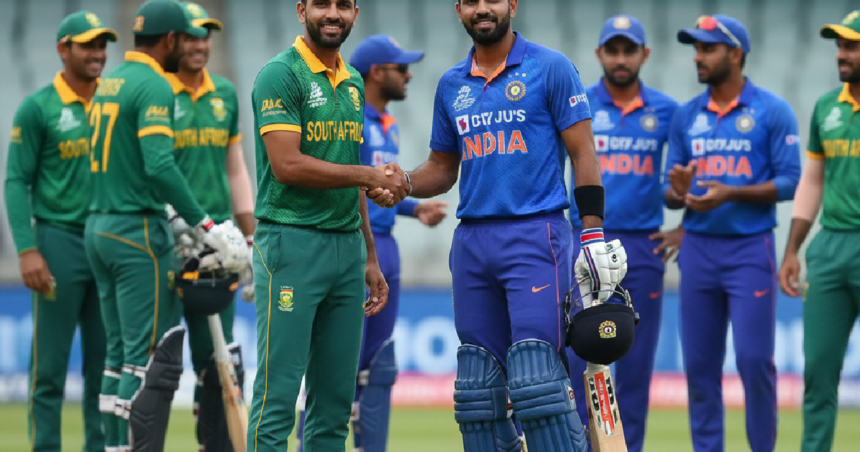
Under overcast skies that offered a hint of movement for the quicks, South Africa won a crucial toss and opted to bowl first in their bid to secure a decisive Twenty20 International series victory against India. The decision reflects the Proteas’ tactical reliance on their pace attack and a desire to exploit any early moisture in the surface before conditions potentially flatten out under the lights.
The series has remained tightly contested, with both sides searching for the balance between aggressive stroke-play and clinical execution with the ball. For South Africa, the strategy appears focused on putting the Indian top order under immediate pressure and chasing down a target with the benefit of knowing the required rate in the second innings. It is a calculated move that has served them well in home conditions, though India’s depth continues to pose a formidable challenge regardless of the toss outcome.
Proteas Reshuffle Bowling Options for Series Decider
Aiden Markram and the South African team management have reportedly made adjustments to their starting eleven. These tactical shifts appear aimed at freshening up the bowling attack, ensuring that the seamers can maintain high intensity throughout the powerplay and the death overs. The Proteas are looking to build on the momentum gained from previous outings where late-inning composure proved to be a deciding factor.
By opting to field first, the hosts are leaning on the historical data of the venue, which often suggests that the ball comes onto the bat more consistently as the match progresses. However, the initial threat comes from the swing and seam movement that has troubled visiting openers. The South African camp is well aware that removing India’s explosive front-line hitters early is often the most viable path to a series win.
While the focus remains on the cricket pitch, the broader sporting world is navigating a period of significant transition. Much like the strategic pivots seen in cricket, professional organizations across the globe are re-evaluating their structures, as seen in the way Seattle sports radio analysis identifies organizational shifts within other major leagues. South Africa’s tactical flexibility in this series is a testament to this modern approach to high-stakes competition.
India Tests Squad Depth with Personnel Rotations
Suryakumar Yadav’s side has taken a different approach to the series finale, opting to rotate the lineup according to reports from the ground. These changes suggest a desire to test squad depth and perhaps address specific matchup concerns that surfaced during the middle overs of previous games. India’s approach to T20 cricket has increasingly favored a high-risk mentality, where players are encouraged to take initiative from the opening delivery.
The absence of certain regular starters has opened the door for players on the fringe of the squad to make a case for more permanent inclusion. For India, the challenge will be adapting to a surface that traditionally assists South African pacers who can extract extra bounce. The middle-order will likely bear the brunt of the responsibility if the openers struggle against the moving ball early on.
This level of internal competition is common in elite sports, echoing the high-stakes environments found in other disciplines. Much like how a defense is reshaped through multi-million pound deals in football to ensure long-term stability, the Indian cricket hierarchy is constantly tinkering with its T20 roster to find the right formula for global dominance.
Conditions and Pitch Expectations
The groundskeeping staff have prepared a surface that looks to have a healthy covering of grass. While this usually suggests a competitive wicket, the overhead conditions are expected to play a significant role in how the first hour unfolds. If the clouds linger, the Indian batsmen will have to survive a testing powerplay where the Proteas’ seamers will find plenty of encouragement.
And yet, if the sun breaks through, the ground has a reputation for being a productive venue for batters. Reports from the toss suggest that both captains are aware of the high scoring potential here, and the team batting first will likely feel they need a substantial total to feel safe against South Africa’s powerful batting lineup.
Tactical Outlook for the Second Innings
The chasing side often holds a psychological advantage in T20Is, but South Africa must ensure they do not let the game get away from them in the final overs of the first innings. India has shown an ability to find the boundary even when wickets are falling, and their depth means that no lead is ever truly secure. The Proteas’ spinners will need to be particularly disciplined in the middle period to prevent the run rate from climbing too high.
As the match unfolds, the intensity of international cricket remains as captivating as any major sporting event. Whether it is the tactical nuances of a T20 series or the anticipation surrounding major tournament windows like the World Cup, the appetite for high-level competition never wanes. South Africa stands on the brink of a series win, but they must deliver a complete performance to overcome an Indian side that rarely falters in consecutive matches.
The outcome of this toss has set the stage for an intriguing battle. With South Africa aiming to use the new ball as a weapon and India looking to post a formidable total with a reshuffled lineup, the series is poised for a dramatic conclusion under the lights.