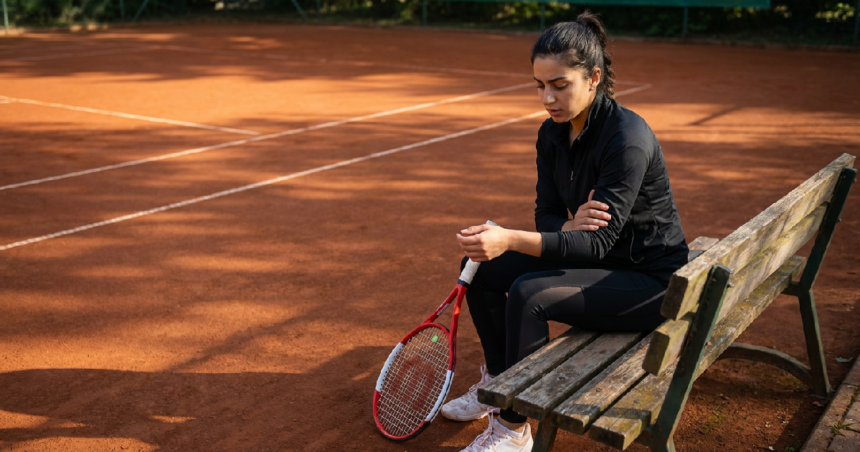
The British tennis contingent is facing a difficult period on the international stage as another leading player has reportedly chosen to bypass the upcoming clay-court season. Following news that Jack Draper will miss high-profile events in Madrid and Rome, sources indicate that Sonay Kartal is also set for a period of absence as she manages ongoing physical concerns.
The loss of these two key figures leaves a notable gap in the British representation as the tour moves toward its traditional European clay swing. For Kartal, who has established herself as one of the country’s most consistent performers in recent months, the decision to withdraw is understood to be a precautionary measure aimed at ensuring she is fully fit for the summer months. Reports suggest that a persistent back issue, which hampered her progress during the spring tournaments in the United States, has not resolved as quickly as her team had hoped.
## Injury setbacks disrupt momentum for British stars
The decision to skip the clay season represents a significant blow to Kartal’s momentum. Before her physical struggles became public, she had recorded several impressive results on the hard-court circuit, appearing to cement her position among the world’s top players. However, the heavy sliding and long rallies characteristic of the dirt courts can be particularly punishing on the back, and her medical team has reportedly advised against a premature return to competition.
This cautious approach mirrors the situation facing Jack Draper. Both players have been identified as the future of British tennis, but their progress has frequently been interrupted by the physical demands of the year-round professional schedule. The latest sport news updates have highlighted how these recurring injuries are becoming a central talking point for the Lawn Tennis Association (LTA) as they manage their elite athletes.
Missing the major lead-up events in Madrid and Rome, as well as the season’s second Grand Slam in Paris, will have implications for the world rankings. While the exact impact remains to be seen, both Kartal and Draper are expected to lose ground to their rivals who are competing during this critical phase of the calendar.
## Strategic focus shifts to the British grass season
With the clay season effectively written off, the focus for both players has shifted toward the grass-court swing in the United Kingdom. Kartal is reportedly targeting a return to action in time for the early June tournaments, where the quicker surfaces and lower bounces are thought to be more suited to her aggressive style of play.
The addition of high-level women’s competition at historic venues in London has provided an ideal target for her comeback. Kartal has historically found success on grass, and her ability to shorten points and move efficiently on the surface makes her a dangerous opponent for anyone in the draw. Much like Arthur Fils and others who have had to balance their schedules to maintain peak performance, Kartal is looking to use this enforced break to build a base for the second half of the year.
Medical experts often note that back injuries in tennis require patience rather than active intervention. By opting out of the grueling clay swing now, Kartal is reportedly prioritizing her longevity on the tour. The goal is to arrive at the All England Club in July without the lingering pain that has affected her recent outings.
## Depth challenges for the British women’s squad
Kartal’s absence places additional pressure on the remaining British women to maintain a presence in the upper echelons of the WTA standings. The transition to clay has always been a hurdle for British players, many of whom are more comfortable on indoor or outdoor hard courts. Without Kartal, the British roster is thinner at a time when ranking points are vital for securing automatic entry into major championship draws.
British tennis fans will be keeping a close eye on the rehabilitation progress of both Kartal and Draper over the coming weeks. The hope is that this period of rest will facilitate a strong showing during the domestic summer. Taking a long-term view is often the most sensible path in a sport known for its attritional nature. Much like the strategic victories seen in other sports where patience is rewarded, the British coaching staff is banking on the idea that missing the spring will lead to a more successful summer.
For now, the focus remains on recovery. While the clay-court specialists battle it out across Europe, Kartal will reportedly be undergoing specialized training and physiotherapy. The ultimate test of this decision will come on the lawns of London, where the British public will be eager to see their top players back at full strength.