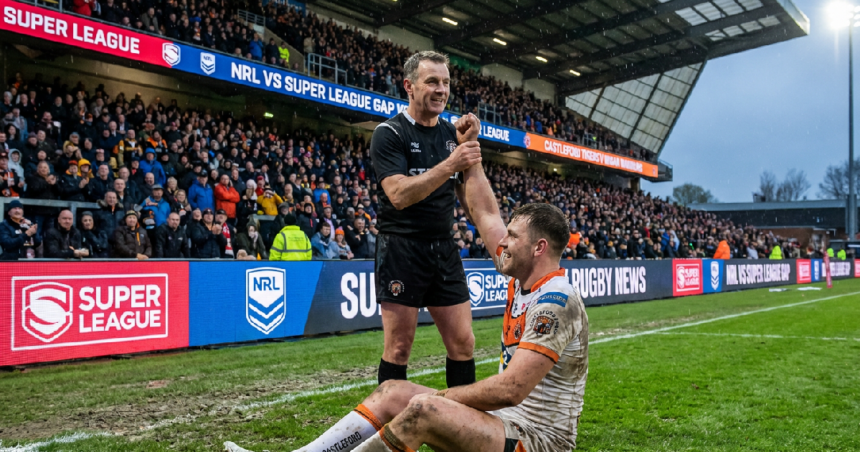
The perpetual debate regarding the competitive gap between the NRL and the Super League has taken a fresh turn following recent developments in the English top flight. For years, the narrative has focused on the financial muscle and depth of the Australian game, often positioning the northern hemisphere’s premier competition as a secondary developmental ground. However, reports of recent upsets in the domestic league suggest that the Super League’s reputation for unpredictability is far from a thing of the past.
Recent league action has seen high-profile clubs, including those regarded as reigning global benchmarks, face unexpected challenges from opponents previously seen as mid-table mainstays. These performances have provided a timely reminder that while structural advantages exist, the 80 minutes on the pitch remain subject to the grit and tactical execution of the underdog. Much like how Manchester United is looking to reshape its defense to reclaim its standing in world football, Super League clubs are demonstrating that disciplined systems can often disrupt the most star-studded rosters.
Challenging the Narrative of NRL Dominance
The flow of talent in rugby league has traditionally been viewed as a one-way street heading toward the southern hemisphere. With the NRL seen as the inevitable destination for elite prospects, the Super League is frequently scrutinized for its ability to retain top-tier talent. Yet, the current season has reportedly produced results that suggest the English game still possesses a unique brand of competitive fire that can catch prestigious opponents off-guard.
Critics frequently point to the sheer depth of NRL squads as the primary differentiator between the two competitions. While that depth is a factual reality of the Australian market, the Super League’s environment often forces clubs with more modest resources to develop innovative tactical solutions to survive. Reports of high-intensity defensive displays from less-favored teams indicate that the domestic product in England continues to evolve. These efforts provide a clear signal to international observers that the English game remains a resilient and tactically nuanced competition.
This resilience is a common theme across various professional sports where established hierarchies are being tested by shifting landscapes. For instance, as the NBA considers expansion to Seattle and Las Vegas to reach new audiences and diversify its competitive map, the lifeblood of any league remains the inherent belief that traditional powerhouses can be toppled on any given day.
Systems Over Star Power in Modern Rugby League
While prestigious rosters are often filled with international talent, recent match reports suggest that names on a sheet do not always equate to points on the board. Tactical discipline has emerged as the great equalizer. By focusing on slowing down the play-the-ball and forcing high-profile opponents into uncomfortable field positions, less-favored teams have reportedly managed to neutralize the creative sparks that usually define the league’s champions.
There is a broader lesson here regarding the different styles governing the two hemispheres. While the Australian game is often celebrated for its speed and individual athletic brilliance, the Super League frequently produces contests defined by grinding attrition. These matches test a player’s mental fortitude in ways that are distinct from the NRL’s highlight-reel style. Recent reports of victories achieved through systemic cohesion rather than individual brilliance suggest that the “underdog” strategy is becoming increasingly sophisticated in the northern hemisphere.
Implications for International Recruitment and Growth
For scouts and talent evaluators watching from afar, these competitive shifts serve as an unofficial scouting report. Players who may have previously flown under the radar have shown they can handle the intensity of opposition regarded as world-class. However, the competitiveness of the league also serves as a cautionary note for the NRL; if the Super League can maintain this level of heat, the lure of moving abroad may no longer be a foregone conclusion for every rising star.
Maintaining domestic talent requires a product that remains compelling to both players and broadcasters. When a team facing a difficult run of form can reportedly topple a league leader, it creates a narrative of hope essential for the sport’s commercial health. The Super League may not yet match the television revenue of its Australian counterpart, but the competitive parity evidenced by recent results suggests a healthy and vibrant product.
The broader impact on the sport is perhaps the most significant takeaway from this season’s unpredictable momentum. In an era of closed-off elite tiers, the sight of a traditional powerhouse being challenged is refreshing for the fan base. It is the same kind of drama that fuels interest in other major sports, such as the Orioles and Phillies leading baseball forecasts, where a shift in momentum can redefine the outlook for an entire season.
As the season progresses, the Super League appears to be entering a period of volatility that benefits the spectator. While the NRL remains the most lucrative show in rugby league, the recent resilience of English clubs ensures that the conversation regarding global parity is far from over. If the domestic game continues to produce these high-stakes upsets, the perceived gap between the two hemispheres may continue to narrow in the eyes of the global rugby league community.