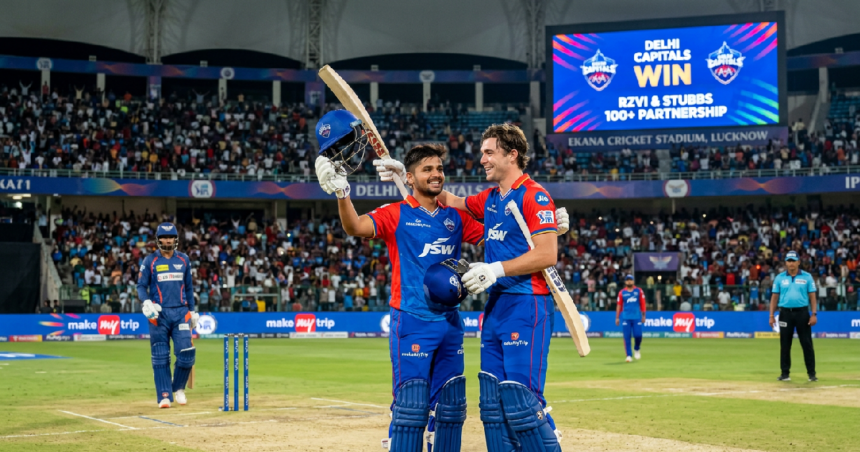
In a tournament defined by high-octane hitting, it is often the composure shown during a middle-over crisis that separates the contenders from the also-rans. Delhi Capitals found that steel on Wednesday evening, overcoming a daunting start to their chase against Lucknow Super Giants through a calculated, brutal century stand between Sameer Rizvi and Tristan Stubbs.
The pair primary architected a chase that looked to be slipping away after a flurry of early wickets. While the Lucknow humidity made for tricky conditions under lights, the Delhi duo turned the pressure back on the hosts, ultimately securing a victory that reshuffles the middle of the IPL 2026 points table. It wasn’t just about the runs; it was the clinical nature of how they targeted specific bowlers that left the LSG dugout searching for answers.
Rescuing the Chase: Rizvi and Stubbs Take Charge
Following a modest start that saw Delhi’s top order struggle against the moving ball, the match appeared to be drifting toward a comfortable home win for LSG. The introduction of spin usually tightens the screw at the Ekana Stadium, but Sameer Rizvi had other plans. Rizvi, who has been under the microscope following a string of inconsistent starts, finally showcased the hardware that made him a high-value acquisition.
He didn’t just survive; he flourished. Alongside Tristan Stubbs, who provided the perfect foil from the other end, the partnership grew from a cautious rebuilding job into an all-out assault. Stubbs’ ability to find the boundary behind square made it impossible for the LSG captain to set a defensive field. The hundred partnership came up in remarkably quick time, effectively breaking the spirit of the Lucknow bowling attack.
Lucknow’s bowlers, usually so disciplined in the death overs, lost their lines as the pressure mounted. The variation that served them well in the Powerplay disappeared, replaced by predictable lengths that Rizvi and Stubbs exploited with surgical precision.
Lucknow’s Defensive Lapse
The defeat will sting for Lucknow Super Giants, particularly given the start they had. Their pace battery initially found joy on a surface that offered some early grip. However, once the ball lost its shine and the dew began to play a minor role, the lack of a “Plan B” became evident.
The home side lacked the cutting edge required to break the Rizvi-Stubbs axis. There were chances—a half-opportunity at long-on and a few missed run-out shouts—but Delhi’s pair rode their luck. By the time the final few overs arrived, the required run rate had plummeted, leaving the LSG fans in a stunned silence as the result shifted from certain to improbable, and finally, to inevitable.
Key to Delhi’s success was their willingness to take the game deep. Stubbs, in particular, showed maturity beyond his years, refusing to let the dot-ball pressure dictate his shot selection. It was a template for how to manage a chase in modern T20 cricket: respect the good balls, but punish anything marginally off-target.
Playoff Implications and Looking Ahead
This result provides Delhi Capitals with a significant boost in momentum as the race for the top four intensifies. For the Super Giants, it’s a moment of reflection. They have the talent, but their inability to close out matches from winning positions is becoming a recurring theme in this campaign.
Both teams will take lessons from this encounter. Delhi has found a middle-order combination that works, while Lucknow will likely look at their bowling rotations in the middle overs. As the tournament progresses toward the business end, these points gained away from home are worth their weight in gold.
Frequently Asked Questions
How did Sameer Rizvi change the momentum of the game?
Rizvi entered the fray when the run rate was climbing and the wickets were falling. He prioritized clearing the infield early in his innings, which forced LSG to push their fielders back, opening up gaps for easy singles and doubles. His aggressive approach against the spinners was the turning point.
What role did Tristan Stubbs play in the century partnership?
Stubbs acted as the anchor while maintaining a high strike rate. His innovative shot-making, particularly his use of the reverse sweep and ramp shot, prevented the LSG bowlers from settling into a rhythm. He ensured that the pressure never stayed on one batter for too long.
What went wrong for the Lucknow Super Giants bowlers?
While they started strongly, the LSG bowlers failed to adapt once the partnership between Rizvi and Stubbs settled. They lacked variety in the middle overs and struggled with their execution under pressure, conceding several boundaries in the “arc” between mid-wicket and long-on.