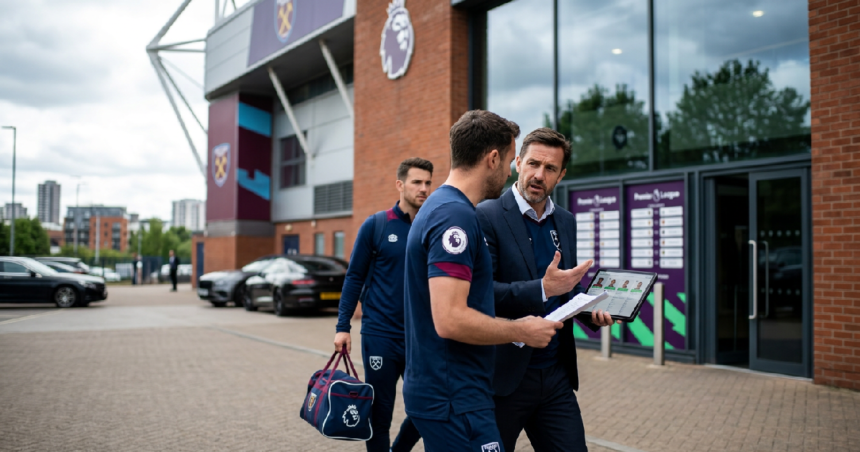
The landscape of European football is shifting as we approach the final months of the season, with recruitment teams across the continent moving from scouting spreadsheets to active negotiations. With the summer transfer window drifting into view, there is a distinct sense of urgency among Premier League executives. Financial sustainability regulations have changed the rhythm of the market, turning the old “panic buy” into a calculated, months-long tactical operation.
Clubs are no longer waiting for the season to end before laying their cards on the table. The focus has pivoted toward younger talent with high resale value, a direct response to the tightening of profit and sustainability rules that have hamstrung several top-flight teams over the last year. It isn’t just about who has the biggest budget anymore; it’s about who can navigate the complex accounting requirements of the modern game.
The Evolution of Summer Recruitment Strategy
The traditional model of chasing established superstars is being replaced by a more data-driven approach to squad building. Several Premier League giants have reportedly overhauled their backroom staff in recent weeks, bringing in new sporting directors specifically tasked with streamlining wage bills. This isn’t merely a move to save money — it is a strategic repositioning to ensure they aren’t hit with points deductions or transfer bans in the future.
What we’re seeing now is a “pre-emptive” market. Clubs are identifying gaps in their squads and attempting to secure verbal agreements before the international tournaments begin this summer. Historically, a good showing in a major tournament can inflate a player’s price by 20% to 30%. By moving now, recruitment heads hope to avoid the “tournament tax” that often disrupts summer budgets. You can read more about how clubs are shifting their recruitment strategy to adapt to these new pressures.
Technical directors are also looking closer at home. With Brexit regulations and changing work permit rules, the value of homegrown talent has skyrocketed. This has led to a noticeable increase in scouts attending Championship and League One fixtures, looking for the next breakout star who can help fill squad quotas without the premium price tag of a continental import.
Logistical Puzzles of the North American World Cup
While the domestic game remains the immediate priority, the shadows cast by the upcoming 2026 World Cup in North America are growing longer. Organizing a tournament across three massive nations presents a set of challenges that FIFA hasn’t encountered on this scale before. Fans are already expressing concern over travel costs and the logistical nightmare of following their teams across multiple time zones.
For the players, the concern is recovery. The sheer distance between host cities in the United States, Canada, and Mexico means that “home advantage” might simply come down to who has the better private jet. Managers at the European club level are already grumbling about the potential burnout of their star assets. The logistical hurdles facing the North American World Cup are becoming a central talking point in boardrooms from London to Madrid.
And then there is the climate. Playing high-intensity matches in the humidity of the southern US or the altitude of Mexico City requires a level of physical preparation that many squads may find difficult to maintain over a month-long tournament. Expect to see national federations investing heavily in specialized sports science teams specifically to handle these environmental variables.
Focus Shifts to the Miami Open and Global Exposure
The intersection of football and global sports branding continues to grow. As we see in the latest sports news cycles, events like the Miami Open are becoming hubs for football executives and agents. It’s no longer just about tennis; it’s about networking. Miami has become a second home for the European football elite, serving as a backdrop for high-level meetings between club owners and potential commercial partners.
This “Americanization” of the sport’s business side is unavoidable. Whether it’s pre-season tours or commercial tie-ins, the Premier League’s focus on the US market is relentless. This summer’s recruitment isn’t just about the pitch; it’s about finding players with the “marketability” to break into the North American consciousness ahead of the World Cup.
What Lies Ahead for the Transfer Window
As the April fixtures approach, the pressure on underperforming squads will only intensify. We expect to see a flurry of “leaked” interest in the coming weeks as agents attempt to drive up prices for their clients. However, the days of reckless spending appear to be over. The “smart money” is on clubs that prioritize flexibility and depth over a single marquee signing.
The next few months will reveal which clubs have done their homework and which are still playing catch-up. With the financial stakes higher than ever, the margins for error have vanished into thin air. A single bad window can now set a club back three years, both financially and competitively.
Frequently Asked Questions
How are financial rules changing how teams buy players?
In short, teams are much more cautious. They are focusing on amortizing transfer fees over longer periods and looking for players with high potential resale value. If a team spends big now, they have to prove they can balance the books later, which often means selling a key player to facilitate new arrivals.
Why is the 2026 World Cup causing so much concern?
The geography is the main issue. Traveling between cities like Vancouver, Mexico City, and New York is exhausting for players and prohibitively expensive for fans. The logistics of coordinating security, transport, and broadcasting across three countries is a massive undertaking that has many people in the industry feeling nervous.
Are we going to see many record-breaking transfers this summer?
It’s unlikely we will see a repeat of the record-shattering windows of the past. While one or two “megadeals” might happen for generational talents, most clubs are looking for value. The trend is moving toward several mid-range signings rather than one massive outlay that carries significant financial risk.