The digital media environment for high-level racing is shifting as Motorsport Week opens a recruitment drive for specialized reporters to cover its rally and sportscar beats. The move signals a period of expansion for the publication, which has established itself as a mainstay in the paddock across various international series. By seeking dedicated contributors for these specific disciplines, the outlet appears to be doubling down on its commitment to provide on-the-ground reporting away from the dominant Formula 1 spotlight.
The call for new talent comes at a time when sportscar racing, in particular, is undergoing a massive resurgence. The growth of the World Endurance Championship (WEC) and the IMSA SportsCar Championship has created a demand for granular, expert-led coverage that many generalist sites struggle to maintain. Similarly, the World Rally Championship (WRC) continues to require a unique blend of technical knowledge and logistical endurance from the journalists who follow the circuit worldwide.
Meeting the Demand for Specialized Racing Coverage
In an era where many sports newsrooms are contracting, the decision by Motorsport Week to bolster its reporting staff reflects the increasing commercial and fan interest in non-Grand Prix events. Reporting on sportscars involves navigating complex balance-of-performance data and multi-class racing dynamics, while rally reporting demands a deep understanding of surface conditions and stage-by-stage strategy.
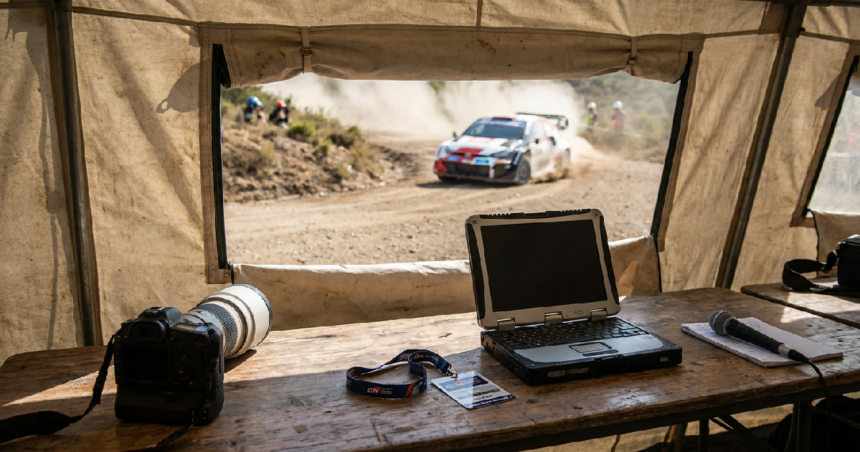
Journalists currently in the industry understand that these roles are rarely about sitting behind a desk. They require a presence in the media centers from Le Mans to the hills of Monte Carlo. This recruitment drive is likely aimed at individuals who can bridge the gap between technical expertise and engaging storytelling, ensuring that the nuances of a 24-hour race or a grueling gravel stage are translated effectively for a global audience.
While some publications have moved toward automated updates or remote “repurposing” of press releases, the focus here remains on original reporting. This follows a broader trend in the industry where specialized outlets are finding success by offering depth that mainstream sports platforms often overlook. While fans are busy checking the latest sport news for general results, the hardcore motorsport community looks to dedicated sites for the “why” behind a mechanical failure or a tactical pit stop error.
The Expansion of Global Motorsport Media
The recruitment of rally and sportscar specialists is not just about filling slots; it is about maintaining a competitive edge in a crowded marketplace. As the FIA looks to evolve its various championships, the media must keep pace. The current landscape for freelance and staff motorsport journalists is notoriously competitive, and openings at established platforms like Motorsport Week are frequently viewed as significant career milestones for those working their way up from regional series.
And it isn’t just about the written word anymore. Modern motorsport reporters are increasingly expected to handle social media integration, photography, and sometimes video dispatches. This multimedia approach is likely a key component of what the publication is looking for in its new hires. Much like how Piastri leads rain-hit practice sessions in the F1 world, these reporters must be prepared to lead the conversation in their respective niches, often under difficult weather and deadline conditions.
Looking Ahead to a Packed Racing Calendar
The timing of the hiring process suggests a desire to have a full team in place before the heart of the summer racing season. With major endurance races and key rally events on the horizon, the pressure to deliver high-quality content will only intensify. For the candidates, the challenge lies in demonstrating an ability to uncover stories that haven’t already been picked up by the major wire services.
For the readers, this expansion typically results in better access. More boots on the ground means more interviews, better technical breakdowns, and a more comprehensive look at the personalities that drive the sport. Whether it’s the intense world of the WRC or the high-tech development of Hypercars in the WEC, the addition of new voices will undoubtedly shape how fans consume their racing news in the coming months. Just as a risky love affair defines the passion of combat sports, the dedication of a motorsport reporter is what brings the heat of the track to the screen of the reader.
Aspiring candidates will be entering a fast-paced environment where the news cycle never truly stops. As the hybrid era of racing continues to evolve, the journalists covering it will need to be as adaptable as the engineers in the pit lane. The search for these new reporters marks a new chapter for Motorsport Week as it strengthens its position in the second-largest segment of the racing market.