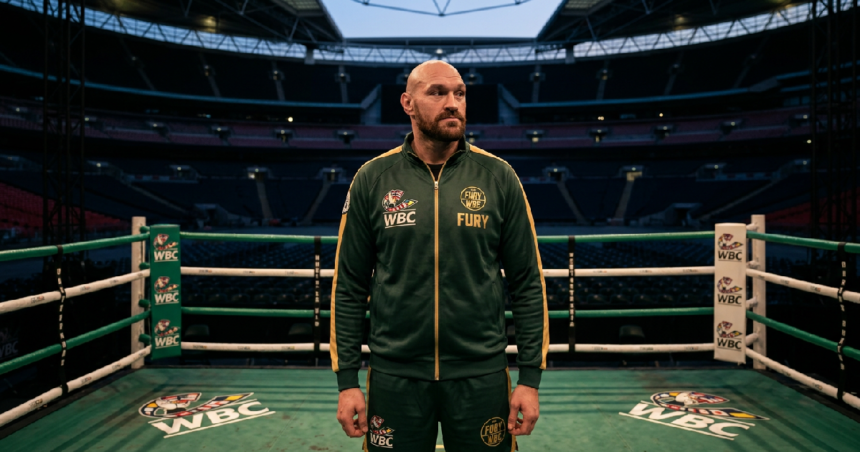
Tyson Fury has never been one to shy away from the spotlight, but his latest comments regarding his relationship with the sport of boxing suggest a man grappling with the heavy toll of a two-decade career. The WBC heavyweight champion, a figure who has dominated the landscape of the division for years, recently described his profession as a “risky love affair,” highlighting the volatile balance between the glory of the ring and the inherent dangers of the trade.
Speaking in the lead-up to his next major competitive hurdle, Fury’s tone was more reflective than boastful. While he remains the charismatic frontman of the heavyweight scene, his admission that boxing is a “drug” he cannot quit, despite knowing the risks, offers a rare glimpse into the psyche of an athlete who has reached the pinnacle of his sport multiple times over. It is a sentiment that resonates with the history of the heavyweight division, where the line between an exit at the right time and one fight too many is famously thin.
The Addictive Nature of the Heavyweight Crown
Fury’s description of boxing as a “love affair” is telling. It isn’t just a job for the man from Morecambe; it is an identity. He has often spoken about the mental health challenges he faces when away from the structured environment of a training camp, and this latest admission reinforces the idea that the ring is both his sanctuary and his greatest threat.
The “risky” element of his statement likely refers to more than just the physical impact of punches. There is a psychological cost to the constant cycle of weight loss, intense camps, and the pressure of maintaining an undefeated record. Fury has seen the highs of defeating Wladimir Klitschko and Deontay Wilder, but he has also experienced the lows of a three-year hiatus and a public struggle with depression. Coming to terms with the fact that he is still lured back by the smell of the gym and the roar of the crowd, despite having nothing left to prove financially, is a central theme of his current career stage.
Balancing Legacy and Longevity
For purists and fans, Fury’s honesty is a reminder of why he remains such a compelling figure. He doesn’t stick to the scripted bravado that defines much of modern sports promotion. Instead, he acknowledges the fear and the fascination that come with being the “Baddest Man on the Planet.” This internal conflict comes at a time when the heavyweight division is arguably as lucrative as it has ever been, with massive domestic and international showdowns still on the table.
But the question of longevity persists. Every time Fury steps into the ring now, he is gambling with his legacy. He has often flirted with retirement, only to return months later, citing a lack of fulfillment in mundane life. This “love affair” is what keeps the division moving, but it also creates a sense of apprehension. How much longer can he invite the risk before the “affair” turns sour?
The Road Ahead for the Gypsy King
The immediate future for Fury involves navigating the most dangerous waters of his career. With undisputed status often hanging in the balance and a hungry pack of contenders like Oleksandr Usyk and Anthony Joshua remaining permanent fixtures in the conversation, the stakes have rarely been higher. The risks he speaks of are not just theoretical; they are standing across from him in the ring.
Critics might argue that Fury’s comments are a psychological ploy to humanize himself or to lower the guard of his opponents. However, those who have followed his journey since 2008 know that Fury is at his most dangerous when he is being honest about his vulnerabilities. By acknowledging the risk, he essentially prepares himself for the battle, accepting the potential consequences as the price of admission for the life he has chosen.
Boxing’s High Stakes FAQ
Is Tyson Fury actually considering retirement?
Fury has mentioned retirement dozens of times throughout his career. While he acknowledges the risks of the sport, his current activity and hunger for major fights suggest he isn’t ready to walk away just yet. He seems to be in a phase where he is enjoying the “love affair” while it lasts.
What does he mean by boxing being a “drug”?
He is referring to the adrenaline, the routine, and the validation that comes with professional fighting. Many elite athletes struggle to replicate the “high” of a world title fight in normal life, leading them back to the ring even after they’ve achieved their goals.
How does this mindset affect his upcoming fights?
Usually, an honest Fury is a focused Fury. By acknowledging that boxing is a dangerous and addictive pursuit, he likely sharpens his training. It shows he isn’t taking his safety or his opponent’s power for granted, which has historically made him very difficult to beat.