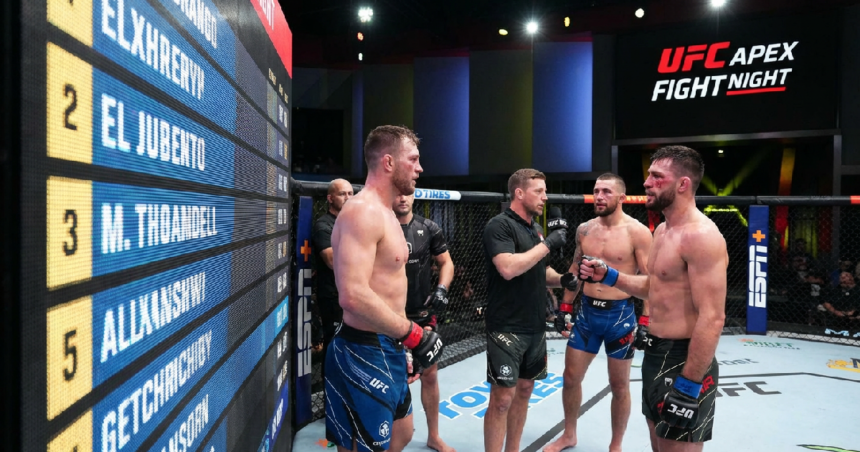
The hierarchy of mixed martial arts remains largely static this week following the latest updates to the sport’s editorial rankings. Despite a busy slate of action in Las Vegas, the established elite at the top of the major weight classes have managed to hold their ground, fending off the typical post-event volatility often seen in the divisional ladders.
The recent performances at the UFC Apex served more as a solidification of the status quo than a catalyst for a major shake-up. While several athletes secured vital victories to keep their pursuit of gold alive, the absence of movement in the top five of the primary divisions indicates a widening gap between the champions and the chasing pack. For the veterans who entered the cage with a target on their backs, the mission was clearly aimed at protection and professional consistency.
Establishing Stability in the Middleweight and Heavyweight Divisions
One of the most discussed aspects of the latest rankings update is the resilience of the incumbent leaders. In a sport known for its rapid turnover, seeing the top tier in multiple divisions remain unchanged after a televised event is somewhat of a rarity. This stability suggests that while the mid-tier of the UFC is experiencing a frantic churn of talent, the championship circle has become significantly harder to penetrate for the next generation of contenders.
The middleweight division, in particular, remains under intense scrutiny. With reports suggesting that Israel Adesanya faces Joe Pyfer in a potential UFC headliner, the current rankings reflect a landscape that is bracing for a potential shift, even if it has not yet arrived. The veterans who emerged successful over the weekend reportedly did enough to ensure they would not be leapfrogged by rising stars or returning former champions who are waiting in the wings.
Analysis of the Current Divisional Stalemate
The heavyweight landscape mirrors this trend. Despite some heavy-handed performances in the octagon, the top of the mountain remains occupied by familiar figures whose resumes continue to carry the most weight with ranking panels. This creates a promotional dilemma; while consistency is a testament to the skill of the ranked elite, it can lead to a perceived lack of momentum in the eyes of the public. The current environment emphasizes that ranking points are becoming increasingly difficult to earn without a direct victory over a top-five opponent.
Strategic positioning has become a priority for many management teams. For many of the victors from the recent Las Vegas event, the “hold” status in the standings is viewed as a victory in its own right. In a profession where combat sports are often viewed as a risky love affair with physical longevity, maintaining a high-level standing without sustaining career-altering damage is a professional achievement that sets the stage for high-profile bouts later in the calendar year.
This dynamic is as much about the mental game as the physical one. Just as tactical flaws can be exposed in high-stakes tennis matches, MMA fighters are finding that a lack of activity or a safe performance can lead to a “frozen” ranking that prevents them from reaching the ultimate goal of a title shot.
Impact on the Spring and Summer Schedules
The lack of movement this week acts as a baseline ahead of a busy competitive period. With several high-profile cards expected in the coming months, the current rankings represent a temporary calm that will likely be disrupted by mid-year. Those who were victorious recently have effectively bought themselves time, securing their spots while waitng for the results of upcoming pay-per-view matchups to dictate the next logical moves for the matchmakers.
Management teams are reportedly looking at the current standings to identify potential matchups that offer the most rewards for the least amount of risk. For those currently listed in the bottom half of the top fifteen, the recent rankings update is a reminder that winning alone may not be enough to climb the ladder—one must win with enough authority to change the minds of those who determine the sport’s official pecking order.
Frequently Asked Questions
Why is movement so limited after recent wins?
Rankings are typically based on the quality of the opponent defeated. If a ranked fighter secures a win over an unranked opponent or someone significantly lower in the standings, editorial boards may decide they haven’t yet earned the right to jump over fighters who possess more substantial recent resumes, even if those higher-ranked fighters were not in action this week.
How often do mixed martial arts rankings update?
Official and editorial rankings are generally refreshed following major televised events. This process accounts for recent results, injuries, or any retirements that might necessitate removing a fighter from the active list, thereby creating space for others to move up.
What does a maintained status mean for a fighter’s trajectory?
It is essentially a holding pattern. While it is preferable to a drop in rank, it signifies that the fighter has not yet forced a change in the consensus opinion. To move significantly higher, competitors generally need to defeat an opponent ranked above them or wait for vacancies to open up in the top five due to weight class shifts or departures.