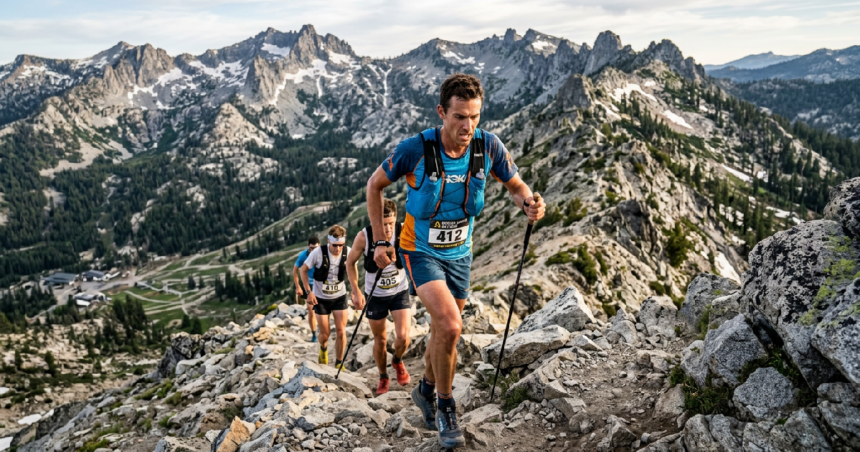
The 2026 WMRA World Cup returns to California this week as the Broken Arrow Skyrace prepares to host two “Gold Label” races at Palisades Tahoe. From June 18 to June 21, elite international mountain runners will converge on Olympic Valley to compete in the Ascent and the 23K distances. These events represent a critical juncture in the World Mountain Running Association (WMRA) calendar.
The action begins in earnest on Friday, June 19, with the Ascent race, a grueling short uphill challenge that also doubles as the U.S. Mountain Running Championships Uphill race. Competitors will tackle a 5.8-kilometer (3.6-mile) course that gains 865 meters of vertical elevation, starting at 8:00 AM PST.
This specific race is a cornerstone of the WMRA circuit, offering significant points for athletes chasing the overall season title.
Palisades Tahoe, the venue formerly known as Squaw Valley, provides a technical backdrop that distinguishes the Broken Arrow Skyrace from traditional trail events. The terrain includes off-trail scrambling, steep snow slopes, and sections requiring hand lines and ladders. This technicality mirrors the rigorous standards set by other global events, much like how World Cup 2026 preparations are beginning to dominate the broader sporting conversation.
Championship points at stake in Gold Label events
The inclusion of “Gold Label” status for both the Ascent and the 23K mountain distance ensures a world-class field. The 23K race, scheduled for Sunday, June 21, at 8:00 AM PST, is a long-distance mountain test covering high-alpine ridges. With a record prize purse on the line, the event has attracted top-tier talent from around the globe to challenge the American contingent.
Organizers, supported by Nike ACG, have emphasized inclusivity alongside elite performance for the 2026 edition. The weekend features a dense schedule of races beyond the World Cup categories, including a 46K ultramarathon and an 11K trail race. This multi-distance approach aims to foster a festival atmosphere while maintaining the intensity of the professional circuit.
While trail running remains a distinct discipline, the physical demands and technical drilling required for these vertical races are immense. Athletes often cross-train with other high-intensity sports to maintain the necessary lung capacity and explosive power. For instance, even athletes in vastly different fields, such as Luke Littler leading technical drills in darts, demonstrate the growing trend of specialized preparation across modern professional sports.
Detailed schedule for the Olympic Valley races
The weekend is structured to test different athletic archetypes, from pure uphill specialists to technical downhill technicians. On Friday, following the morning Ascent, an 11-mile race will commence at 10:00 AM PST. This serves as a secondary challenge for those not competing in the primary World Cup uphill sprint but looking to test themselves on approximately 3,800 feet of climbing.
Saturday, June 20, shifts the focus toward endurance and volume. The 46K ultramarathon kicks off at 7:00 AM PST, requiring runners to navigate over 10,000 feet of total ascent. An 11K race follows an hour later at 8:00 AM, catering to short-course specialists and amateur enthusiasts who want to experience the Olympic Valley trails under race conditions.
Sunday provides the grand finale with the 23K WMRA World Cup race at 8:00 AM. Because this course features significant exposure and technical scrambling, it often dictates the final standings of the American leg of the tour. A kid’s race also takes place on Sunday morning at 8:30 AM, ensuring the event remains a community-focused gathering despite its high-stakes professional implications.
Environmental and technical challenges at Broken Arrow
The 2026 season has seen variable conditions in Northern California, and runners may still encounter lingering snow patches on the upper reaches of the course. These snow slopes require specific footwear and a high level of comfort with glissading and steep traversing. The ladder section remains one of the most photographed and challenging parts of the 23K route.
The WMRA’s decision to return to California reinforces the United States’ growing influence in the mountain running world. Traditionally dominated by European Alpine nations, the World Cup now finds a stable home in the Sierra Nevada mountains. This expansion mirrors the global growth seen in other major sports leagues, such as the NBA expansion to new markets like Seattle and Las Vegas.
As the athletes finalize their tapers and arrive in Olympic Valley, the focus remains on whether the local U.S. champions can defend their home turf. With the Ascent race serving as a national championship qualifier, the stakes could not be higher for those looking to represent their country. The weekend promises to be a definitive test of alpine speed and technical skill.