By Daniel Pinkman
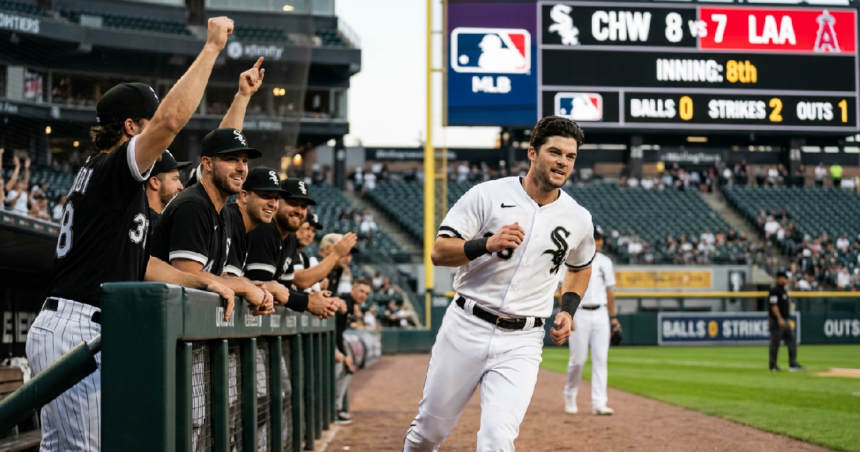
The Chicago White Sox and Los Angeles Angels recently engaged in a high-scoring battle that underscored the volatile nature of mid-season momentum in Major League Baseball. Munetaka Murakami and Andrew Benintendi reportedly spearheaded a major offensive surge for Chicago, allowing the team to overcome a multi-run deficit against a struggling Angels bullpen. The game reportedly swung on a series of late-inning plays that turned a comfortable Los Angeles lead into a narrow victory for the visitors, highlighting the persistent relief struggles currently facing the Angels’ coaching staff.
This comeback served as a stark reminder of how quickly late-inning momentum can shift in the American League. For much of the contest, the Angels appeared to have the situation under control, but reports indicate that defensive lapses and relief inconsistencies allowed Chicago to erase the advantage in a matter of minutes. This win provides the White Sox with a morale boost as they continue to navigate a challenging divisional race. Much like the NBA expansion to Seattle and Las Vegas signaled a change in professional basketball geography, Chicago is hoping this rally signals a shift in its seasonal trajectory.
Murakami and Benintendi Drive Late Offensive Surge
The turning point reportedly arrived during the latter stages of the game when Chicago found itself trailing by several runs. Munetaka Murakami, who has established himself as a primary power threat in the lineup, connected with a pitch that cleared the fences to help ignite a spark in the dugout. This home run reportedly changed the energy of the game, putting immediate pressure on the Los Angeles pitching staff.
Following the home run, Chicago managed to put multiple runners on base against a tiring Angels relief corps. Andrew Benintendi then stepped to the plate and delivered a bases-clearing double that found the gap in the outfield. This hit effectively erased the Los Angeles advantage and capped off a frame where Chicago crossed the plate numerous times. This type of high-stakes competition is mirrored in other sports where individual performances shift the balance of power, such as the upcoming bout between Israel Adesanya and Joe Pyfer.
The resilience shown by the Chicago hitters highlighted a perceived weakness in the Angels’ relief unit. Getting the ball safely to the back end of the bullpen remains a struggle for Los Angeles, particularly when facing power hitters who can change the complexion of a game with a single swing.
Relief Struggles and Defensive Challenges for Los Angeles
For the Los Angeles Angels, the game was a difficult outcome to process after the offense had provided what looked like a sufficient cushion. The early innings featured a productive Angels lineup that exploited Chicago’s starting pitching, but the inability to close the door in the later frames became the defining story of the contest. Reports suggest the bullpen surrendered hits to nearly every part of the White Sox order during the rally.
Relief pitching was not the only concern, as the defensive unit also faced challenges during high-pressure sequences. A few narrowly missed plays reportedly allowed Chicago to keep the line moving, setting the stage for the game-winning hits. Managers often emphasize that games are won or lost in the middle to late innings, and this collapse demonstrated how quickly a lead can evaporate when the primary hurlers are replaced by the secondary rotation.
The outcome carries weight beyond a single night of baseball. For Chicago, proving they can win when trailing late is vital for their standing in the division. As the season progresses, analysts will look to see if Chicago can maintain this level of offensive output consistently. Just as the Orioles and Phillies lead World Series forecasts due to their balanced rosters, the White Sox will need more than just isolated rallies to be considered serious contenders in the postseason conversation.
Outlook for the American League West and Central
The Angels must now regroup as they face questions about their late-inning strategy. Finding a reliable bridge to their closer is becoming a priority if they hope to remain competitive in the American League West. While the offense remains productive, the late-game breakdown suggests that their pitching depth will be tested throughout the coming months.
Both teams are expected to head into their upcoming fixtures with very different mindsets. Chicago will look to ride the wave of their recent offensive success, while Los Angeles will be searching for ways to stabilize their pitching rotation and defensive alignment. The matchup served as a classic example of why the MLB season is described as a marathon rather than a sprint.
Key for the White Sox moving forward will be sustaining the production of their core hitters. If the bullpen can hold firm following rocky starts, they have the ingredients to climb the standings. For the Angels, the focus shifted immediately to consistency and ensuring that the hard work of their batting order is not undone by a single difficult frame.