Former Formula 1 driver David Coulthard has shed light on the intensely personal nature of the bond between drivers and their race engineers following reports that Gianpiero Lambiase is poised to leave Red Bull Racing for a new challenge at McLaren. Lambiase, who has served as the calm voice in Max Verstappen’s ear throughout his multiple championship-winning seasons, is reportedly set to transition into a leadership role as a chief racing officer in the coming years, signaling the eventual end of one of the sport’s most successful partnerships.
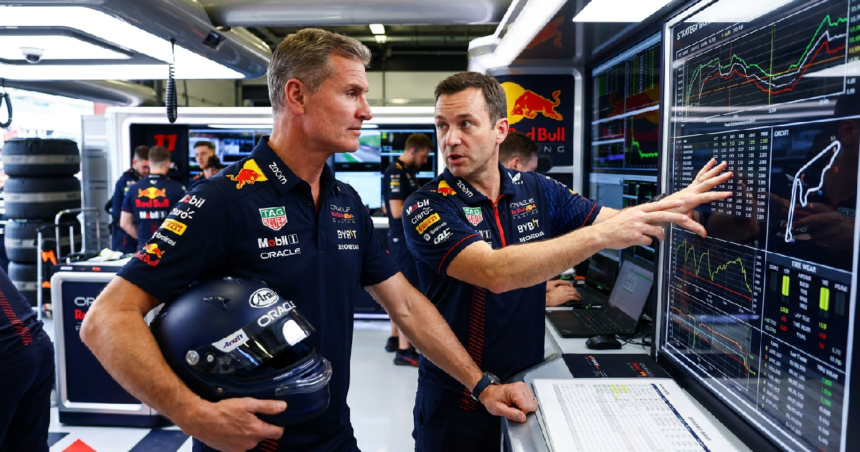
The veteran Scotsman’s observations come during a period of transition for Red Bull, as the potential exit of such a central figure raises questions about the long-term stability of the team’s trackside leadership. Verstappen has previously indicated that his motivation to stay with the Milton Keynes-based squad is intrinsically linked to his working relationship with Lambiase. Coulthard argues that the role of an engineer goes far beyond reviewing telemetry or managing tire wear, acting instead as a psychological anchor for the driver during the heat of competition.
The Psychological Weight of the Engineer Role
According to Coulthard, a top-tier race engineer must master a rare combination of technical intelligence and emotional awareness. Speaking on a recent podcast, the former Red Bull and McLaren driver suggested that while an understanding of vehicle dynamics is mandatory, the ability to manage a driver’s psyche is what separates world-class engineers from the rest of the paddock. He noted that because drivers face significant emotional swings during a season, the engineer is often the only person capable of keeping them focused through a well-timed word or a firm directive.
This dynamic has played out publicly through the radio exchanges between Verstappen and Lambiase, which have become a defining feature of Red Bull’s dominance. These often-blunt conversations illustrate a level of transparency and professional friction that Coulthard believes is necessary for peak performance. He contends that this “more than professional” connection is rooted in absolute trust, ensuring the driver never questions the motivations of the person sitting on the pit wall.
Just as technical mastery is central to success in other elite sports, such as when Price overcomes Littler in high-pressure matchups, F1 teams rely on these hyper-focused pairings to maintain their edge. When a partnership of several years is disrupted, it typically marks the beginning of a broader organizational evolution.
Lambiase Transition and Team Dynamics
The reported move for Lambiase to take on a senior management position at McLaren represents a significant career advancement. Despite the looming change to his immediate support system, reports suggest Verstappen has offered a supportive stance regarding the move. The reigning champion is said to have acknowledged that the professional opportunity and the long-term career security it offers were factors too significant to overlook.
Red Bull has not yet named a formal successor for the position, but the movement follows a wider trend of rival teams attempting to recruit key technical personnel ahead of major regulatory changes in the sport. This flow of talent mirrors the structural shifts seen in major North American leagues, such as the NBA expansion to Seattle and Las Vegas, where successful organizations often deal with the departure of staff seeking new leadership challenges.
The long-term impact of this personnel shift on the inner workings of the Red Bull garage remains a topic of conversation among paddock insiders. While the driver is secured by a contract, losing a primary collaborator is a variable that requires careful management from team leadership. Maintaining a winning culture often depends as much on personal chemistry as it does on mechanical development.
Future Implications for the Grid
The timing of Lambiase’s expected departure is notable given the current competitive trajectory of the field. By attracting a tactical leader with a record of managing championship pressures, McLaren is strengthening its position as a primary threat to the current established order. This strategic maneuvering is comparable to the high-stakes preparations seen in other disciplines, such as when Makhachev targets two-division glory, where the right support team is essential for reaching specific performance milestones.
For Red Bull, the focus will soon turn to identifying an engineer who can adapt to Verstappen’s high-pressure operating style. As Coulthard points out, the specific chemistry required for this role cannot always be forced; it often requires time to develop through shared triumphs and setbacks. Whether the team can replicate the current level of radio synergy with a new individual is expected to be a major storyline throughout the next several seasons.
As the sport prepares for a fresh era of power unit and chassis regulations, the human element continues to be a decisive factor. While technical specifications will change, the role of the “psychologist” within the garage will remain just as critical as the aerodynamicists. Coulthard’s perspective serves as a reminder that behind the data-driven world of modern racing lies a complex interpersonal foundation that makes record-breaking performances possible.