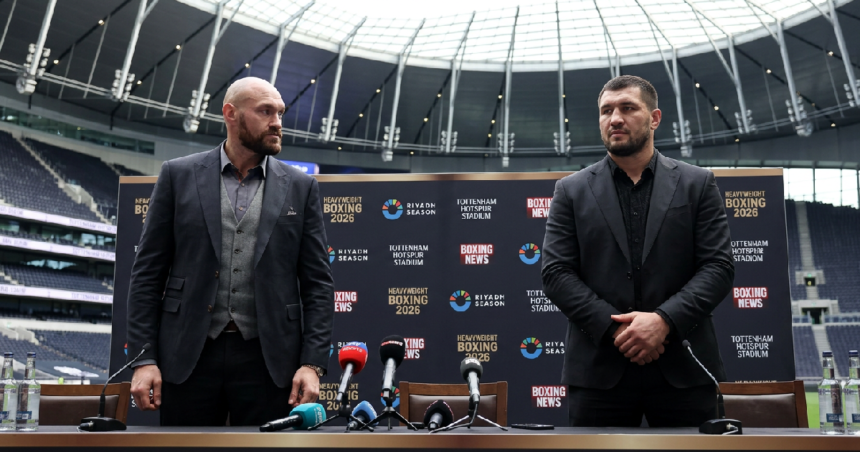
p>The vast expanse of the Tottenham Hotspur Stadium is usually a cauldron of noise and anticipation, but as Tyson Fury prepares for his latest return to the ring, the atmosphere surrounding the venue is one of growing concern. With a heavyweight clash against Arslanbek Makhmudov looming, the digital seat maps tell a story that neither the “Gypsy King” nor his backers in Saudi Arabia want to see: a sea of unsold availability representing a public that has, for the moment, seemingly slowed its interest in the hype.
It is a testing reality for a man often billed as the most marketable heavyweight of his generation. Despite reports of ticket prices being adjusted to entice local fans, the appetite for this specific brand of theater seems to have hit a ceiling. The perceived mismatch between a world-class stadium and the profile of the opponent has left organizers working to justify the scale of the event.
The Arslanbek Makhmudov problem
Boxing is a sport built on the illusion of danger, but the illusion only works if the public recognizes the threat. While Makhmudov carries a physically imposing frame, his credentials among the casual boxing fan remain a point of debate. His record includes a victory against veteran Dave Allen, but his standing took a hit when he was stopped in a previous outing. Unlike the high-stakes drama currently seen in the heavyweight landscape involving Fabio Wardley, this matchup feels to many like a placeholder rather than a genuine sporting crossroads.
For Fury, however, this bout serves a specific purpose. After facing significant setbacks in his recent high-level encounters, including a high-profile defeat to Oleksandr Usyk and a surprisingly competitive outing against MMA star Francis Ngannou, the heavyweight needs a win to remain relevant in the title picture. The Saudi organizers view this as a necessary step to keep the Fury brand active ahead of potentially more lucrative nights in the future.
Saudi Arabia and the streaming era
The entry of Saudi Arabian investment into boxing has radically altered the sport’s economy. Traditionally, promoters relied heavily on ticket sales and domestic pay-per-view buys to balance the books. This is no longer the primary driver for every event. The goal often involves the accumulation of global prestige and brand building, sometimes regardless of the immediate financial return on an individual gate.
With this event being broadcast via a major streaming platform, there is a certain level of protection against the optics of a stadium that is not at capacity. High-end production can often mask empty tiers, reframing a lack of local interest as an exclusive affair. Yet, the inability to sell out a major London stadium remains a bruising blow to the narrative that Fury is an untouchable draw. Much like how football clubs must eventually move on from aging stars, boxing’s power brokers may soon have to reckon with the diminishing returns of a long-running narrative.
Family fractures and promotional spin
The buildup to this fight has been curiously dominated by talk of internal family tension rather than technical boxing ability. Fury’s recent media appearances have seen him questioned extensively about his professional and personal relationship with his father, John Fury, rather than his training camp for Makhmudov. While the absence of the elder Fury at ringside might provide a quieter atmosphere, it also removes one of the key elements of the “Gypsy King” circus that typically drives headlines.
The marketing of Tyson Fury has always relied on the idea that he is a giant among men, a claim bolstered by his historical rivalry with Deontay Wilder. Those fights remain a benchmark of his career, showcasing a resilience that seemed to transcend the sport. However, the veneer has chipped lately, with critics suggesting that recent matchmaking has occasionally prioritized spectacle over competitive integrity.
The road ahead
Where Fury goes from here depends entirely on his performance against Makhmudov and the movements of other elite heavyweights. Oleksandr Usyk is reportedly considering his own future in the sport, with a potential exit strategy that could define the next year of the division. While other athletes, like pioneers in the UFC, have seen their legacies cemented by how they influenced their sport’s growth, Fury’s legacy currently feels tied to the hope of a domestic showdown with Anthony Joshua.
If the fans continue to show hesitation toward these matchups, the pressure will mount on organizers to deliver the one fight the public actually demands. Until then, these stadium shows against lesser-known opposition risk becoming expensive lessons in the limits of high-stakes promotion. For now, the “Gypsy King” must find a way to make the ring feel like the center of the world, even if the stadium seats suggest otherwise.