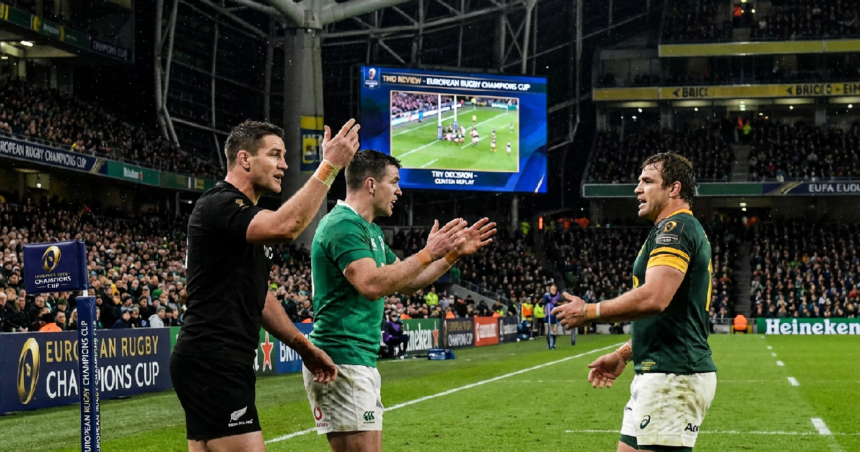
The high-stakes atmosphere of the European knockout stages has once again been overshadowed by a series of contentious officiating decisions, sparking fresh debate regarding the role and efficiency of the Television Match Official (TMO). As the quarter-finals unfolded over the weekend, several pivotal moments left coaches and supporters questioning the consistency of the current protocols during the most critical juncture of the season.
The intensity of playoff rugby brings a level of scrutiny that standard regular-season fixtures rarely encounter. While the skill levels on display were undeniably elite, the rhythm of the matches was frequently broken by lengthy reviews, some of which resulted in decisions that appeared to contradict the initial visual evidence available to the referee on the pitch.
Quarter Final Pressure Points and TMO Influence
Rugby at this level is decided by the thinnest of margins. In one particular quarter-final clash, a disallowed try in the final ten minutes proved to be the difference between a semi-final berth and a heartbreaking exit. The incident involved several minutes of frame-by-frame analysis to determine if a micro-infringement had occurred during the buildup, three phases prior to the ball being grounded.
Critics argue that the TMO is moving away from its original purpose of correcting “clear and obvious” errors and is instead becoming a tool for forensic deconstruction that kills the game’s momentum. Conversely, defenders of the system point out that in a multi-million pound industry, getting the decision right at any cost is the only way to maintain the integrity of the competition.
And yet, even with multiple camera angles, human error persists. The frustration from the technical areas was palpable as different officiating teams seemed to apply varying standards for what constitutes a “high degree of danger” in tackle situations, leading to inconsistent card colors across the different quarter-final fixtures.
Debating the GOAT Amidst Contemporary Chaos
Whenever the sport reaches its business end, the conversation inevitably shifts toward the generational talents who define these moments. The “Greatest of All Time” (GOAT) debate has been reignited by the performance of veteran playmakers who continue to dictate terms at the highest level of European rugby. Names like Antoine Dupont, Dan Carter, and Richie McCaw highlight the different eras of dominance, but current form has many suggesting we are witnessing a new peak in individual performance.
The argument for the GOAT is no longer just about trophies; it’s about the ability to influence a match despite the increasing complexity of the modern game. When games become bogged down by TMO interventions and tactical kicking battles, the players who can produce a moment of pure, unscripted magic stand out even more clearly. This weekend’s action provided several such moments, reminding fans why the sport’s history is so revered.
The Impact of Officiating on Player Safety
Beyond the simple win-loss column, the TMO’s primary objective remains player safety, particularly regarding head contact. However, the quarter-finals highlighted a growing disconnect between the written law and the reality of high-speed collisions. Several former internationals have expressed concern that the game is becoming “over-refereed,” making it difficult for defenders to commit to tackles without fear of a game-changing red card.
But the officiating bodies remain firm: the directive to lower tackle heights and penalize forceful head contact is non-negotiable. The challenge for the upcoming semi-finals will be finding a balance where the officials can ensure safety without making the TMO the central protagonist of the story.
What to Watch for in the Semi-Finals
As the competition narrows to the final four, the pressure on the referees will only intensify. World Rugby has been under pressure to streamline the TMO process to ensure that the flow of the game isn’t sacrificed. Fans can expect a renewed emphasis on “on-field” decisions, though whether that holds up under the weight of a semi-final remains to be seen. The surviving teams will likely lean heavily on their “GOAT-tier” talents to navigate the tactical minefields ahead.
Frequently Asked Questions
Why is the TMO becoming so controversial?
The controversy usually stems from the length of time it takes to reach a decision and whether the technology is being used to find minor faults that don’t actually impact the play. It’s a tug-of-war between wanting absolute accuracy and wanting a fast-paced game.
Who are the leading candidates for the rugby GOAT title?
It’s subjective, but the usual suspects include Richie McCaw for his leadership and win rate, Dan Carter for his tactical perfection, and Jonah Lomu for his sheer impact on the global profile of the sport. Currently, Antoine Dupont is frequently mentioned as someone who could eventually surpass them all.
Can teams appeal a TMO decision after the match?
Not in a way that changes the result. While teams can submit a formal review to the officiating board to seek clarity or highlight an error, the scoreline stands once the final whistle is blown. These reviews are mostly used for the development of referees and to improve future consistency.