European football finds itself at a crossroads as senior executives and league officials begin to openly acknowledge the widening chasm between the continent’s elite and the rest of the pyramid. The admission that “we really messed up” regarding the competitive balance of the game has resonated throughout the halls of UEFA and various domestic league headquarters this week, sparking a debate on whether the current model is sustainable or predatory.
For decades, the mantra of European football was growth at all costs. But that growth has largely been concentrated at the very top. As the Champions League undergoes further expansion and domestic television rights deals continue to favor a handful of “super clubs,” the middle and lower tiers of the European game are feeling the squeeze. The financial disparity has reached a point where the outcome of many top-tier leagues is considered a foregone conclusion before a ball is even kicked in August.
The widening gap in domestic competition
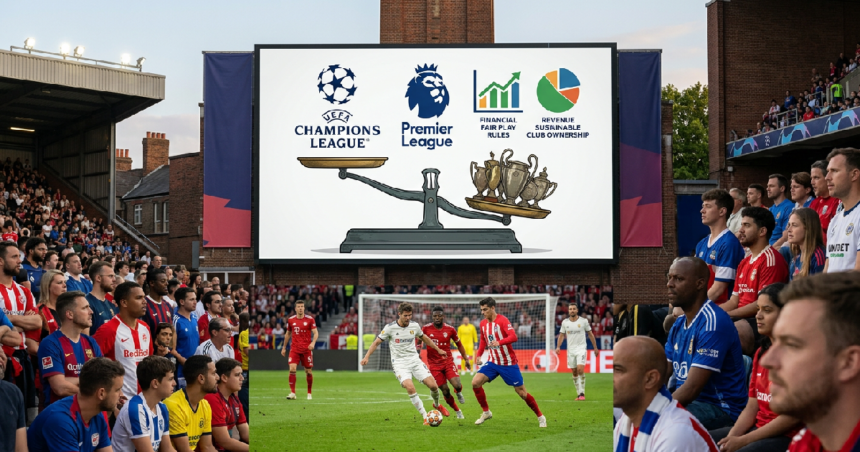
The sentiment underlying the current crisis is rooted in the predictability of the sport if the current trajectory remains unchanged. In leagues across Germany, France, and even the Premier League, the concentration of wealth has created a glass ceiling. While the Premier League remains the most lucrative domestic competition in the world, the struggle to maintain a “Big Six” or “Big Seven” while smaller clubs face existential threats from Profit and Sustainability Rules (PSR) highlights the friction.
Clubs are increasingly finding that the ladder has been pulled up behind the elite. Those attempting to bridge the gap often find themselves sanctioned for overspending, while established giants leverage their historical commercial power to stay ahead. As clubs shift strategy as the summer transfer window looms, the focus is less on parity and more on survival for the majority of teams outside the Champions League places.
But it isn’t just about the money. It is about the soul of the competition. When the same four or five teams dominate the latter stages of European cups every year, the “Cinderella stories” that once defined the sport become increasingly rare. The current structure rewards consistency and scale, but it often punishes the very volatility that makes football exciting to a global audience.
Infrastructure and the burden on smaller leagues
Outside the “Top Five” European leagues, the situation is even more precarious. Leagues in Portugal, the Netherlands, and Belgium have effectively become “feeder” systems, unable to retain talent long enough to compete on the continental stage. This drain of talent creates a vicious cycle: lower television revenue leads to lower wages, which leads to the inevitable sale of star players to the Premier League or La Liga.
And the pressure isn’t just financial. The sheer volume of matches required by the new European formats puts a strain on squads that do not have the depth of a Manchester City or a Real Madrid. This physical and fiscal burden is forcing a rethink among administrators who previously prioritized expansion above all else. There is a growing consensus that the “more is better” approach to fixtures may have reached a breaking point, both for the players’ health and the fans’ wallets.
Will regulatory shifts solve the parity puzzle?
The “messed up” admission suggests that regulators are finally looking at tools beyond simple spending caps. Discussions are reportedly intensifying around more aggressive revenue-sharing models and stricter limits on multi-club ownership—a trend that many purists believe is eroding the integrity of individual competitions.
The challenge remains the legal framework of European trade and competition laws. Unlike American sports, which utilize drafts and salary caps to ensure parity, European football is bound by a free-market ethos that makes forced “balance” difficult to implement. However, if the product continues to suffer from a lack of uncertainty, the commercial value of these leagues will eventually plateau. Advertisers and broadcasters pay for drama, and drama requires the possibility of the underdog winning.
So, where does the game go from here? The conversation is shifting toward a more holistic view of the “football ecosystem.” This includes protecting academy compensation and ensuring that the rewards of the Champions League trickles down further than just the participants. Whether these intentions translate into policy or remain mere rhetoric will define the next decade of the sport.
Frequently Asked Questions
Why is competitive balance a problem now?
While wealth gaps have always existed, the acceleration of broadcasting revenue and the “winner-takes-all” nature of the Champions League have widened the gap to an unprecedented degree. Many fans feel that the lack of unpredictability is making domestic leagues less exciting to watch over a full season.
What can UEFA do to fix the imbalance?
UEFA has the power to change how prize money is distributed. Currently, a large portion of funds is allocated based on “historical coefficients,” which naturally favors established, wealthy clubs. Shifting this toward a more egalitarian distribution could help smaller clubs compete more effectively.
Are salary caps a possibility in European football?
It’s complicated. While some leagues are exploring spending limits based on revenue (like the Premier League’s PSR or UEFA’s Financial Sustainability Regulations), a hard salary cap remains difficult to implement due to European labor laws and the threat of top players moving to unregulated leagues elsewhere.