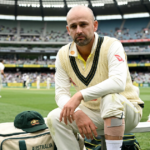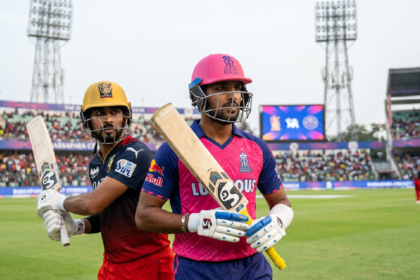
The landscape of South African cricket shifted quietly today as a dependable fixture of the Proteas’ middle order confirmed his departure from the international stage. After seven years of answering the call across multiple formats, the veteran batter has decided to bring the curtain down on a career that, while sometimes flying under the radar, served as a vital bridge during a period of significant transition for the national side.
The decision marks the end of an era for a player who debuted in 2017 and quickly became a reliable presence in the dressing room. His departure comes at a time when South African cricket is looking toward a younger generation to lead the charge into the next World Cup cycle, yet his absence will leave a gap in the experience column that the coaching staff will need to address urgently.
A consistent presence in an evolving Proteas side
Since first donning the green and gold, the veteran has been characterized by a gritty technique and a temperament that often stabilized the innings when the top order faltered. While he may not have grabbed the headlines with the frequency of some of his more explosive teammates, his value lay in his ability to absorb pressure and rotate strike during the middle overs.
The 2017 debutant leaves behind a record of resilience. Whether navigating the bounce of the Highveld or the spinning tracks of the subcontinent, he provided a steady hand. Reports suggest that the physical toll of a continuous international schedule and the desire to spend more time with family were the primary drivers behind the timing of his retirement. He steps away with his reputation as a “team-first” player firmly intact.
Cricket South Africa (CSA) officials have already begun paying tribute to his contributions, noting his professionalism and the mentorship he provided to younger players breaking into the squad. His departure follows a trend of experienced heads exiting the international scene to focus on domestic franchise leagues, a shift that continues to challenge the sustainability of the international calendar.
Navigating the transition to a new era
Replacing a veteran with seven years of high-level experience is rarely a straightforward task. The South African selectors now face a dilemma: do they fast-track a promising talent from the domestic circuit, or reshuffle the current order to cover the vacancy? The timing of this announcement gives the management a window to experiment before the next major ICC tournament, but the lack of an immediate successor is a concern for many observers.
And then there is the question of the evolving nature of the game itself. With the proliferation of T20 leagues globally, the pull of the international circuit has weakened for many players in their thirties. This retirement serves as another reminder that the five-to-seven-year peak for a modern international cricketer is becoming the standard rather than the exception. Transitioning away from the rigors of the national team while still possessing the skills to thrive in short-format leagues has become a logical career move for many in his position.
Looking ahead to a summer without a familiar face
The Proteas’ upcoming home series will feel different without the reliable presence in the middle order. Fans have grown accustomed to seeing him dig in during difficult sessions, often playing the anchor role that allowed more flamboyant hitters to express themselves. His ability to read the game and adjust his strike rate based on the match situation was a subtle art that will be difficult to replicate immediately.
For the player, the future likely holds a stint in various global leagues where his experience will be highly sought after. For the team, it is a moment of reflection and a call to action. The search for the next middle-order mainstay begins now, and it will require finding someone with the same mental fortitude that defined this seven-year international journey.
Frequently Asked Questions
Why did the South African batter choose to retire now?
While no single reason was cited as the sole factor, sources close to the player suggest a combination of the grueling international schedule, a desire to focus on family life, and the emerging opportunities in the global T20 franchise circuit led to the decision after seven years of service.
What is the biggest challenge for the Proteas following this departure?
The immediate challenge is the loss of tactical experience. Finding a replacement who can manage the tempo of an innings under pressure is difficult, and the current South African domestic setup will need to produce a player who can adapt to the intensity of international cricket quickly.
Will he continue to play domestic cricket or in T20 leagues?
It is highly likely. Many players who retire from the international stage at this age continue to be active in leagues like the SA20, the IPL, or the BBL, where their technical skills and veteran presence remain incredibly valuable to franchise owners.