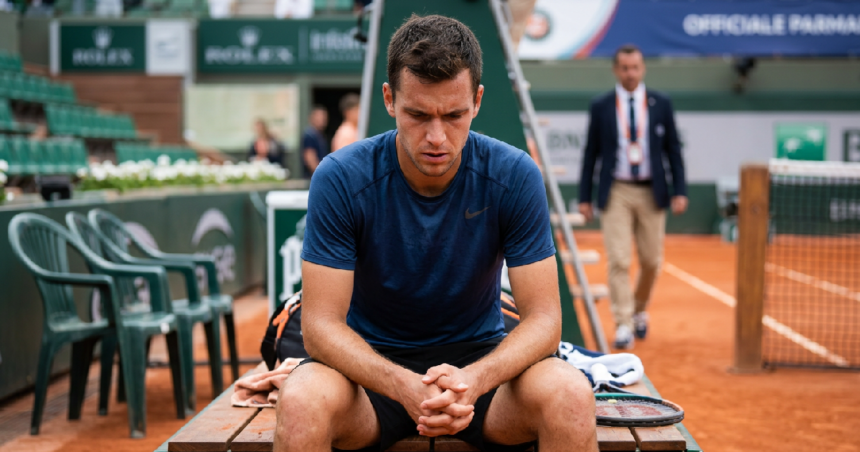
The International Tennis Integrity Agency (ITIA) has issued one of its most severe rulings in recent memory, handing a four-year and 10-month ban to a professional tennis player found guilty of multiple match-fixing offenses. The decision comes after a protracted investigation into suspicious betting patterns and financial transactions that have once again cast a shadow over the lower tiers of the professional circuit.
The player, whose identity was confirmed in official documents released on April 1, 2026, was found to have manipulated specific outcomes of matches in exchange for direct payments from a betting syndicate. This latest sanction reflects the ITIA’s increasingly aggressive stance against corruption, particularly in the ITF World Tennis Tour events where players often struggle with the financial demands of the sport.
Breakdown of the Integrity Violations
According to the ITIA findings, the investigation centered on several matches where the player reportedly conspired to influence the scoreline. These violations were not isolated incidents but appeared to be part of a coordinated effort to secure illicit payouts. Investigators utilized forensic technology and betting data monitoring to track the discrepancies between the player’s on-court performance and the unusual volume of wagers placed on those specific matches.
The ban, which effectively ends the player’s competitive career given their current age and physical standing, is accompanied by a substantial fine. In a statement, the ITIA emphasized that the length of the suspension was calculated based on the systemic nature of the corruption. It wasn’t just about one missed shot or a dropped set; it was a breach of the fundamental trust that underpins the sport’s competitive integrity.
The Financial Struggle of the Pro Circuit
While the ruling is a victory for the sport’s governing bodies, it reopens the conversation about why players are tempted by these syndicates. In the upper echelons of the ATP and WTA tours, prize money is more than sufficient to cover a player’s overhead. However, on the Challenger and ITF tours, the margins are razor-thin. Players often travel without coaches, stay in budget accommodation, and still finish the season in the red.
But the ITIA remains firm in its stance: financial hardship is no excuse for dishonesty. The agency’s recent crackdown has seen an uptick in bans, often involving players between the rankings of 200 and 600. For many of these athletes, a five-year ban is essentially a lifetime expulsion, as rebuilding a ranking from scratch after such a long hiatus is nearly impossible.
Broader Implications for the Sport
This news follows a period of heightened scrutiny over betting in tennis. The sport’s structure, where one individual controls the outcome of every point, makes it particularly vulnerable to spot-fixing — the practice of fixing a specific game or set rather than the entire match. It is harder for authorities to detect than outright match-fixing, but the ITIA’s recent data-led approach is starting to yield results.
Earlier this season, we saw similar concerns raised in different contexts. For instance, when Jim Courier identifies tactical flaw in Fils ahead of Miami Open semi-final, the focus is on the purity of the game’s strategy. When that purity is compromised by external financial interests, as seen in this latest ban, the very nature of competition is at risk. Fans need to know that the tactical errors they see on court are genuine mistakes, not scripted outcomes.
The Path to Reform
Looking ahead, the ITIA is expected to increase its educational outreach to younger players entering the professional ranks. The goal is to identify those at risk of being approached by syndicates before they are compromised. As the 2026 season continues, this ban serves as a stark reminder that the governing bodies are watching, and the cost of “easy money” is often the career a player has spent a lifetime building.
Frequently Asked Questions
How long is the actual suspension for the player?
The player has been banned for a total of four years and 10 months. During this time, they are prohibited from playing in, coaching at, or attending any sanctioned tennis events organized by the major governing bodies of the sport.
Why are match-fixing bans usually so long in tennis?
The ITIA uses long-term bans as a deterrent. Because tennis is an individual sport, a single compromised player can ruin the integrity of an entire event. Shorter bans are often seen as insufficient to protect the sport’s reputation from the influence of betting syndicates.
Can the player appeal this decision?
Yes, most ITIA rulings can be appealed through the Court of Arbitration for Sport (CAS). However, the burden of proof required to overturn forensic financial evidence and betting data is incredibly high, and successful appeals in match-fixing cases are relatively rare.