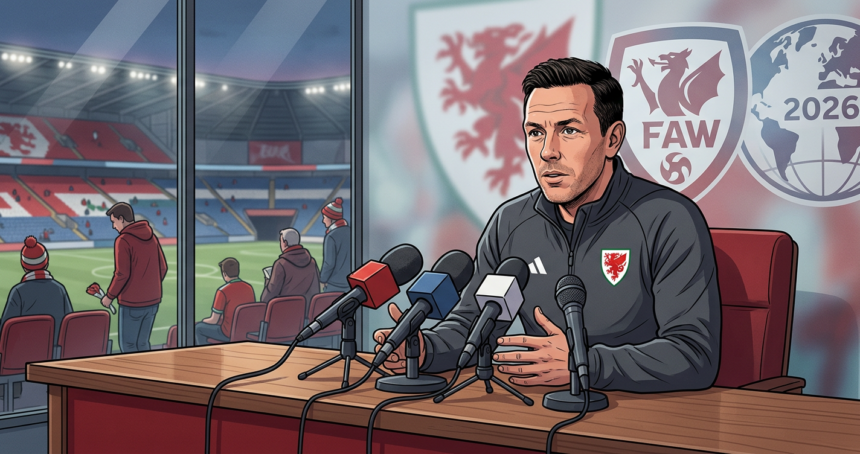
The lights at the MetLife Stadium had barely dimmed when Craig Bellamy walked into the post-match press conference, his eyes red but his voice remarkably steady. Wales had just seen their World Cup dream evaporate in a defeat that felt both cruel and, in the cold light of day, perhaps inevitable. But for the fans back in Cardiff and those who traveled across the Atlantic, the immediate concern wasn’t just the exit — it was whether the man who revitalized the national team would remain at the helm.
Bellamy did not shy away from the speculation. While the sting of the loss was fresh, the former Manchester City and Liverpool striker was clear about his intentions. He remains committed to the project he started, insisting that one tournament cycle is not enough to embed the identity he wants for Welsh football. He spoke of a “long-term vision” and the need to bridge the gap between their spirited performances and the clinical edge required at the highest level of the game.
The Evolution of the Dragon Under Bellamy
When Bellamy took over, there were questions about his temperament. Could the fiery player transition into the measured tactician required for international management? Over the course of the qualifying campaign and this World Cup run, he has largely silenced those critics. Wales played with a higher defensive line and a more aggressive pressing style than we saw during the latter days of the Robert Page era.
But that bravery served as a double-edged sword. In the knockout stages, individual errors and a lack of depth in the final third were exposed. Bellamy alluded to this in his post-match remarks, noting that while the “courage” was there, the “execution” lagged behind. For Wales, the transition away from the Gareth Bale era is still a work in progress. Despite emerging talents finding their feet, the team lacked a transformative figure to turn the tide when the momentum shifted against them.
The manager’s decision to stay is a significant boost for the Football Association of Wales (FAW). Stability is a rare commodity in international football, and with the logistical hurdles of this North American tournament now behind them, the focus shifts immediately to the upcoming UEFA Nations League and the Euro 2028 qualifying cycle.
A Roster in Transition
One of the quiet successes of Bellamy’s tenure has been the blooding of younger players. He hasn’t been afraid to bench established veterans in favor of those who fit his high-intensity system. This tournament saw several youngsters debut on the world stage, and while they looked overawed at times, the experience is foundational for what Bellamy calls “the next step.”
There are aging pillars in this squad, however, who may have played their last minutes in a red shirt. Bellamy was asked about potential retirements but declined to name names, stating that those conversations would happen “behind closed doors and with the respect they deserve.” The challenge for the next two years will be replacing that veteran leadership without losing the “Cymru” spirit that has defined the team since 2016.
The tactical shift Bellamy introduced requires immense physical output. In the humidity and heat of the North American summer, that style took its toll. Critics will argue that he needs a ‘Plan B’ for when the press is bypassed, an area where Wales looked particularly vulnerable during their final match.
Looking Toward the 2028 European Championships
The road ahead for Wales is clear, even if the disappointment of this exit remains palpable. The FAW hierarchy is understood to be firmly behind Bellamy, viewing the World Cup qualification itself as a milestone of success regardless of the early exit. The focus now turns to internal reviews and scouting.
Bellamy’s commitment means Wales avoids a messy managerial search that could have derailed the momentum built over the last 18 months. He wants more control over the youth setups and a more unified approach to how Welsh tactical philosophy is taught at the age-group levels. It’s an ambitious play for a manager who was once seen as a short-term firebrand.
And yet, international football doesn’t afford much time for building. The Nations League starts in the autumn, and the pressure to perform will return instantly. “I’m not here for a holiday,” Bellamy told reporters before leaving the podium. “I’m here to make us a Tier 1 nation. We aren’t there yet, but we will be.”
Frequently Asked Questions
Is Craig Bellamy resigning after the World Cup exit?
No. Bellamy has explicitly stated his intention to continue as Wales manager. He emphasized that he sees his role as a long-term project and is already looking ahead to the next European Championship qualifying cycle.
What were the main reasons cited for the loss?
Bellamy pointed to a lack of clinical finishing and a few lapses in defensive concentration. While he praised the effort and bravery of his players, he admitted that at the World Cup level, small margins often dictate results.
Which young players developed the most under Bellamy during the tournament?
While the manager avoids singling out individuals, several midfield prospects and wing-backs saw significant minutes. The tournament served as a “baptism of fire” that Bellamy believes will pay dividends as these players return to their clubs and future international windows.