The landscape of Welsh rugby is undergoing a volatile transformation as the domestic season reaches its critical juncture. For some, the recent weeks have offered a platform for redemption and a timely reminder of their worth to the national cause. For others, the scrutiny of high-stakes competition has been far less kind.
As Warren Gatland prepares for a demanding summer schedule, the shifting fortunes of his key personnel have become the primary talking point in Cardiff. The narrative has pivoted toward the resurgence of a once-luckless talent whose injury woes finally seem to be behind him, contrasted sharply by the struggles of an established star who has found himself on the wrong side of recent match analysis.
Dewi Lake emerges as a vital asset for Gatland
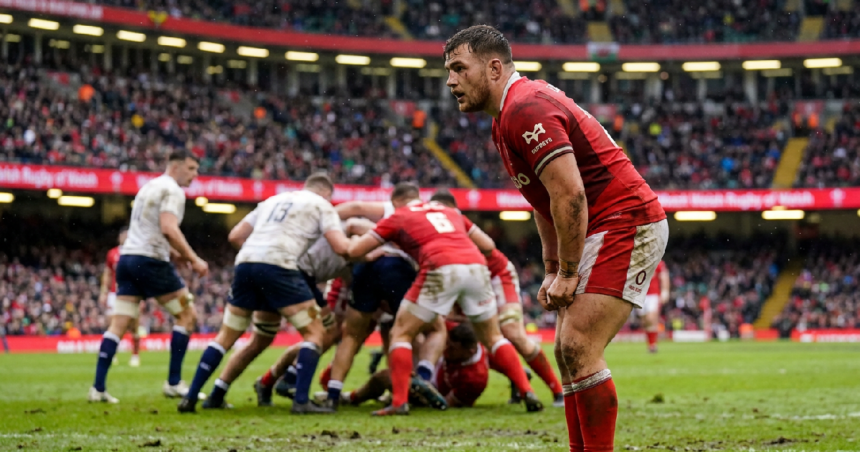
There was a time, not long ago, when Dewi Lake’s primary opponent wasn’t the opposition pack, but his own luck. A series of untimely injuries frequently sidelined the Ospreys hooker just as he appeared ready to claim the Welsh number two shirt on a permanent basis. However, those days of frustration are looking increasingly like a footnote in his career.
Lake has recently demonstrated exactly why the Welsh coaching staff have remained so patient. His performance level has not just returned to its pre-injury heights; it has arguably surpassed them. It isn’t just about his accuracy at the line-out — though that has improved — but his sheer physicality in the loose. In a Welsh pack that has sometimes lacked a “bruiser” presence, Lake provides a confrontational edge that the team desperately needs.
His ability to impact the scoreboard and provide momentum-shifting turnovers makes him more than just a specialist; he is now a genuine tactical asset. For a squad looking to rebuild its identity, having a healthy and hungry Lake is perhaps the most significant “win” of the current cycle. If he can maintain this fitness, the competition for the starting hooker spot is effectively over.
A difficult period for established internationals
While Lake’s stock is rising, the same cannot be said for some of his senior colleagues. The pressure of maintaining top-flight performance while the regional sides struggle for consistency is clearly taking a toll. One particular Wales star, usually a focal point of the team’s attack, has come under heavy fire from critics and pundits alike following a string of underwhelming displays.
The “hammering” in the press has centered on a perceived lack of clinical execution and defensive lapses that have proved costly at the regional level. In modern rugby, there is no hiding place from the data, and when a high-profile player’s tackle completion or meters gained start to dip, the backlash is swift. For this individual, the challenge is now as much mental as it is physical. Reclaiming the trust of the Welsh public — and more importantly, the coaching staff — will require a significant shift in form before the summer international window opens.
The widening gap in Welsh regional rugby
The individual winners and losers are ultimately symptoms of a larger issue within the four professional regions. The Ospreys’ ability to nurture and manage Lake’s return contrasts with the tactical stagnation seen elsewhere. Success for Welsh individuals is becoming harder to achieve when their collective environments are under such financial and structural pressure.
And yet, this environment also forces young talent to grow up quickly. We are seeing a younger generation of players thrust into leadership roles because the senior stars are either sidelined or out of favor. This “sink or swim” era of Welsh rugby is brutal, but as Lake has shown, those who survive it often emerge as much more resilient players.
Looking ahead to the summer tour
The stakes for the upcoming international fixtures couldn’t be higher. Warren Gatland is known for his loyalty, but that loyalty has a limit. He needs players who are playing at their ceiling, not those relying on past reputations. The “luckless” talent who has now become a central asset is a lock for the plane, likely with a leadership role in mind.
Conversely, those currently taking a hammering in the media find themselves at a crossroads. The next few weeks of domestic action will determine whether these players can silence their critics or if Gatland will be forced to look toward the next generation of talent currently bubbling under the surface in the regional game.
Frequently Asked Questions
Is Dewi Lake expected to captain Wales in the future?
He has already shown leadership qualities and has captained the side previously. Given his current form and standing in the squad, he is widely considered a leading candidate for a long-term leadership role within the national setup.
Why is the Welsh regional game struggling to produce winners?
Budgetary constraints and ongoing organizational restructuring have made it difficult for the four regions to compete with the financial power of the English Premiership or the French Top 14. This often leaves Welsh stars playing in teams that are under immense pressure, affecting individual performance.
How does Warren Gatland respond to players who are out of form?
Gatland typically values “Test match animals” — players who perform regardless of their club form. However, he has shown in recent selections that if a veteran’s performance drop-off is linked to a lack of physical intensity, he is not afraid to blood younger, hungrier players in their place.