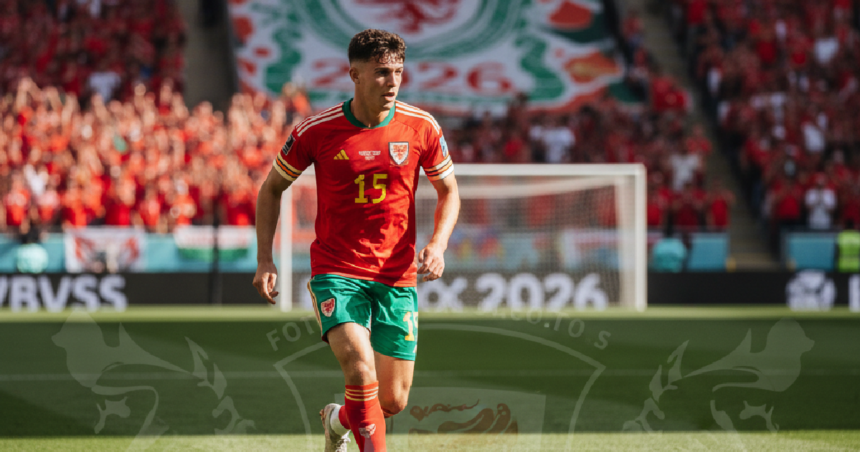
The dawn of a new era for the Wales men’s senior team has hit a critical juncture as the Football Association of Wales (FAW) accelerates its long-term strategic overhaul of the national setup. With the focus now squarely on the upcoming qualification cycle, the transition away from the “Golden Generation” is no longer a future concept—it is the current reality being managed within the halls of Hensol Castle.
Following a period of assessment, the technical staff has reportedly doubled down on a high-intensity, youth-centric philosophy designed to maximize the output of a squad that often punches above its weight on the global stage. The directive is clear: the dependency on individual moments of magic has been replaced by a demand for collective tactical discipline. This shift comes at a time when several established veterans are seeing their roles scrutinized in favor of a younger, more mobile core emerging from the Under-21 ranks.
Transitioning Beyond the Cardiff Stalwarts
For over a decade, the Welsh identity was synonymous with a few household names. But as the 2026 World Cup cycle approaches, the narrative has shifted toward integration. The coaching staff has been working closely with developmental squads to ensure the “Welsh Way”—a specific tactical blueprint emphasizing transitions and defensive solidity—is uniform across all age groups.
Recent sessions have emphasized speed on the flanks and a more aggressive press, a departure from the more reactive shapes seen in previous campaigns. This tactical evolution isn’t just about style; it’s about survival in an increasingly competitive European landscape. The FAW remains committed to the current leadership, believing that the continuity provided by the current coaching staff is the best way to shepherd this new crop of talent into the international limelight.
Squad Depth and the Injury Conundrum
One of the perennial hurdles for Wales remains the depth of the talent pool. Unlike larger nations that can absorb the loss of three or four starters, Wales relies heavily on its core nucleus staying fit. Recent reports from the medical team suggest a more rigorous monitoring program for players based in the English Championship and Premier League to manage load during the heavy winter months.
The reliance on Brennan Johnson and Daniel James to provide the offensive spark has never been higher. However, the emergence of creative options in the midfield has given the coaching staff a welcome headache. There is a growing sense that the midfield dynamic is being recalibrated to allow for more ball retention, moving away from the “long-ball” safety net that characterized older iterations of the team.
Logistical Preparations and the Path to 2026
While the action on the pitch is the primary concern, the logistical arm of Welsh football is already eyeing the North American horizon. The FAW is reportedly scouting potential base camps and training facilities in North America, ensuring that if qualification is secured, the infrastructure is already in place. You can read more about the broader logistical hurdles facing teams at the North American World Cup here.
The path forward is difficult, but the mood within the camp remains defiant. There is a quiet confidence that the foundations laid over the last eighteen months are starting to set. For Wales, the goal is not just to participate in major tournaments, but to become a consistent fixture in the knockout stages of international football.
The Impact of Club Form on International Hopes
The coaching staff is keeping a close eye on the summer transfer window, as several key Welsh internationals face uncertain futures at their respective clubs. Regular first-team football is a non-negotiable requirement for the national side. As clubs shift their recruitment strategies for the summer, the movement of Welsh players could dictate the tactical flexibility available to the national manager in the autumn fixtures.
But for now, the focus is on the training pitch. The message to the players has been simple: the jersey is earned, not given by reputation. It’s a ruthless approach, but one that many feel is necessary to keep Wales competitive as the international game continues to evolve at a breakneck pace.
Wales National Team FAQ
Who are the captains and leaders in the current Wales squad?
While the official captaincy may rotate depending on fitness, the leadership group has expanded to include Aaron Ramsey, Ben Davies, and increasingly, Brennan Johnson. The staff views leadership as a shared responsibility rather than a single-person role.
What is the primary tactical formation for Wales right now?
Wales has shown flexibility, often switching between a 3-4-2-1 and a more traditional 4-3-3. The choice usually depends on the availability of their wing-backs and the specific threats posed by their opponents.
How is the FAW integrating youth players into the senior team?
The integration is handled through a “bridge” program where standout performers from the U21s are invited to train with the senior squad during international breaks. This allows them to acclimatize to the environment before making their competitive debuts.