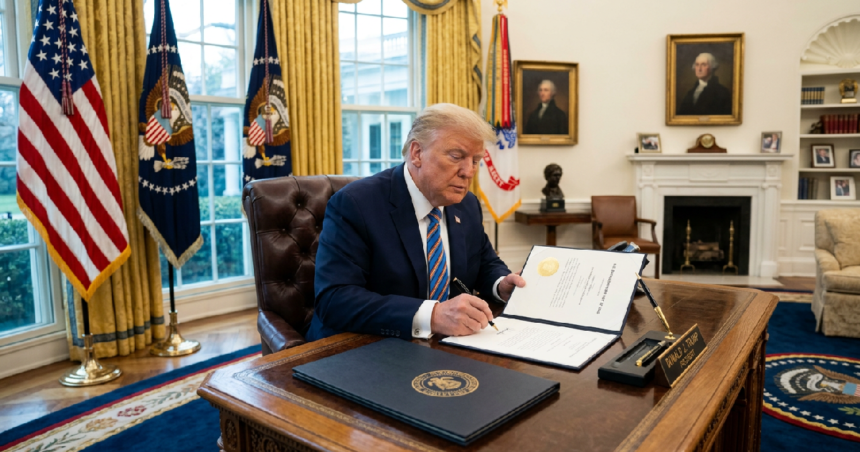
The landscape of professional boxing sits at a precarious crossroads this week as a transformative piece of federal legislation has landed on the desk of President Donald Trump. Aimed at overhauling the often-opaque world of promoter-fighter relations and sanctioning body fees, the bill represents the most significant attempt to regulate the “Sweet Science” since the original Muhammad Ali Boxing Reform Act was passed over a quarter-century ago.
For decades, boxing has operated as a fragmented industry, governed by a patchwork of state commissions and various international sanctioning bodies. This lack of a central authority has often led to disputes over fighter pay, long-term contracts that some critics liken to “indentured servitude,” and a ranking system that frequently confuses even the most dedicated fans. The proposed bill seeks to close the loopholes that have allowed these issues to persist into the modern era.
Closing the Gaps in the Ali Act
While the Ali Act provided a foundation for fighter protections, it has long been criticized for its lack of teeth. Enforcement has been sporadic at best, and the rise of massive promotional entities from the Middle East and the advent of “influencer boxing” have further complicated the regulatory environment. The new legislation, which received bipartisan support in both the House and the Senate, intends to mandate greater financial transparency and restrict the length of exclusive promotional agreements.
One of the more contentious points in the bill involves the role of the WBA, WBC, IBF, and WBO. Under the new rules, these organizations would face stricter reporting requirements regarding the fees they collect from fighters for title bouts. Many in the industry argue that these “sanctioning fees”—often a significant percentage of a boxer’s purse—are excessive and provide little tangible benefit to the athletes themselves.
Trump, a former casino mogul who hosted dozens of high-profile fights in Atlantic City during the 1980s and 90s, is uniquely familiar with the business side of the ring. His decision to sign or veto this bill could reshape the commercial viability of the sport for the next generation. If signed, the bill would likely trigger a massive wave of contract renegotiations across the major promotional houses.
Industry Heavyweights Divided on Reform
The reaction from within the boxing world has been predictably split. Promoters argue that the bill’s restrictions on long-term contracts would make it impossible to build stars. They claim that the high cost of developing a young fighter justifies the multi-year deals that the bill now seeks to limit. Without that security, they suggest, the incentive to invest in grassroots talent could disappear.
“You can’t expect a promoter to spend millions building a kid from the amateurs up, only for them to become a free agent as soon as they reach their prime,” noted one high-ranking executive who requested anonymity. “This bill might help the top 1% of fighters, but it could starve the rest of the ecosystem.”
Conversely, fighter advocates and several prominent retired champions have signaled their support. They argue that the current system keeps athletes trapped in unfavorable deals and that a more open market would actually drive up purses and television ratings. By allowing fighters more leverage, they believe the best matchups will happen more frequently, rather than being delayed by promotional “cold wars.”
The Impact on Global Matchmaking
There is also the question of how this American-led legislation will interact with the increasingly global nature of the sport. With significant investment coming from Saudi Arabia’s General Entertainment Authority, boxing is no longer a US-centric business. However, because the United States remains the largest pay-per-view market, any law passed in Washington carries weight everywhere from London to Riyadh.
And then there is the logistical side of things. Much like how the North American World Cup faces daunting logistical hurdles, the implementation of federal boxing oversight would require a level of administrative coordination the sport hasn’t seen before. Critics wonder if a new federal commission would simply add another layer of bureaucracy to an already over-managed industry.
But the calls for change have become too loud to ignore. Fans have grown tired of seeing the best fighters avoid each other due to contractual disputes. If this bill forces promoters to the table or allows fighters to take their careers into their own hands, it could usher in a new “Golden Age” of transparency and competition.
The Road Ahead for the Oval Office
Donald Trump’s history with the sport adds a layer of unpredictability to the situation. He has long counted some of the biggest names in boxing as personal friends, yet he has also been a vocal critic of how certain sports are managed. It’s expected that his administration will weigh the bill’s impact on small business owners—the local promoters—against the populist appeal of protecting “the little guy” in the ring.
As the deadline for a signature approaches, the boxing world is holding its breath. Whether this leads to a more professionalized era of combat sports or simply more litigation between managers and promoters remains to be seen. But one thing is certain: the era of the “wild west” in boxing might finally be coming to a close.
Frequently Asked Questions
What exactly does the new boxing bill change?
The bill focuses on three main areas: limiting the duration of promotional contracts to prevent “lifetime” deals, requiring sanctioning bodies to be more transparent about their fees, and strengthening the enforcement of existing safety protocols across all 50 states.
How will this affect the average boxing fan?
In the long run, it could lead to better fights. By reducing the power of promoters to “block” certain matchups, fans might see top-tier champions face each other more frequently without years of delay. It could also lead to more consistency in how belts are awarded and stripped.
Does Donald Trump have to sign the bill for it to become law?
Yes. As with any federal legislation, the President must sign the bill into law. If he chooses to veto it, the bill would go back to Congress, where a two-thirds majority in both chambers would be needed to override the veto. Given the bipartisan support it has already received, it is a significant moment for the administration.