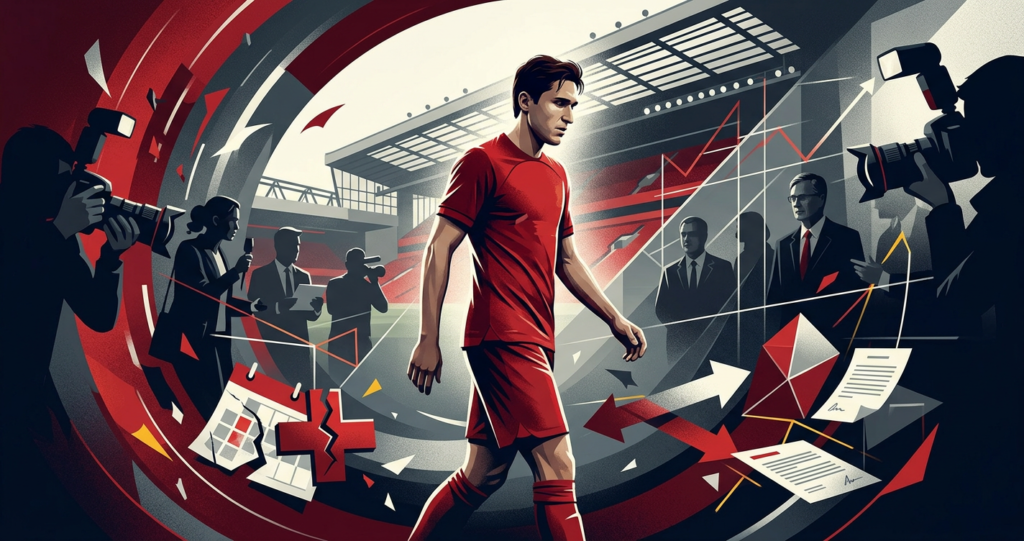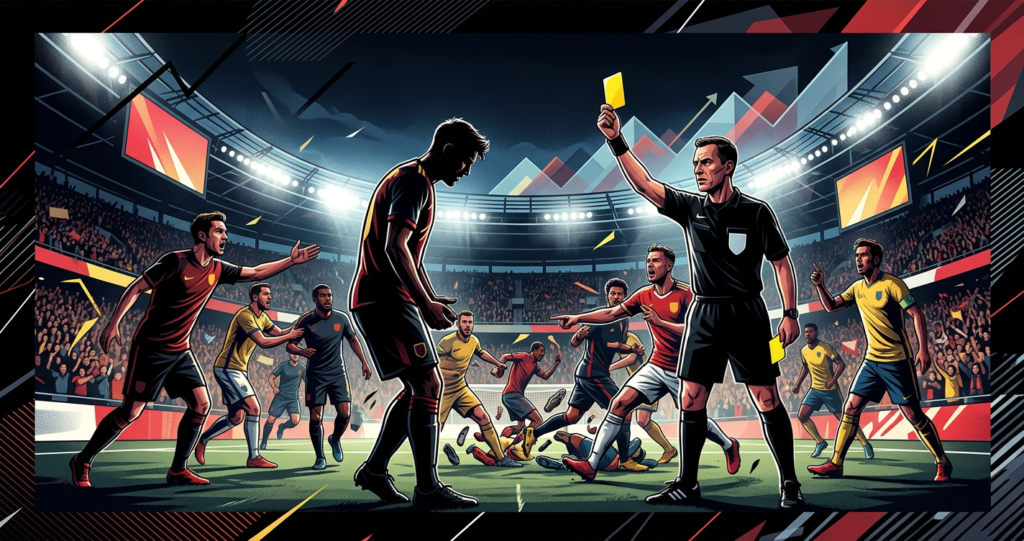
The aesthetic of the ‘beautiful game’ is undergoing a brusque transformation this month as referees across the English football pyramid pivot toward a stricter disciplinary standard. What started as unofficial guidance from the PGMOL has now manifested in a series of bookings for excessive celebrations and technical flair, sparking a debate between those who value entertainment and those who demand traditional respect for the opposition.
The shift hasn’t been subtle. Across the Premier League and Championship over the weekend, official data and match reports indicate a sharp rise in yellow cards issued for “unsporting conduct” related to goal celebrations and what officials deem as provocative trickery. The clampdown comes as tensions on the pitch appear to be boiling over, leading to a corresponding spike in retaliatory fouls.
Frustration mounts as flair meets the whistle
Top-flight officials are reportedly under pressure to ensure that match control isn’t lost to “performative antagonism.” In several high-profile fixtures recently, players attempting high-skill flourishes — such as the controversial ‘seal dribble’ or standing on the ball — have found themselves targeted not just by defenders’ boots, but by the referee’s notebook.
The logic from the governing bodies suggests that these displays are direct catalysts for the rising foul counts. When a player feels humiliated by a showboater, the response is often a cynical challenge. By penalizing the instigator, the league hopes to temper the aggression before it requires a red card. But critics argue this is sanitizing the sport. It’s a delicate balance; fans pay to see the very skill that is now being labeled as an incitement to violence.
This atmosphere is already impacting how teams approach their recruitment and tactical setups. As noted in recent reports on how clubs shift strategy as summer transfer window looms, there is a growing emphasis on discipline and physical resilience over purely mercurial talent that might become a liability under these stricter officiating guidelines.
The knock-on effect for English combat sports
This trend of heightened tension isn’t limited to the grass. The UK’s combat sports scene is dealing with similar themes of discipline versus showmanship. In the boxing ring, where the “showboater” archetype is a staple of the ticket-selling machine, there is a parallel push for reform. The calls for a centralized governing body to address fighter conduct and scoring clarity have never been louder.
For instance, figures like Danil Zamorilo, who recently secured the WBO Youth Title, are being held up as examples of the “new school” — technical, disciplined, and efficient. Contrast this with veteran characters who rely on psychological warfare, and you see a sport at a crossroads. Even the heavyweight division is feeling the shift, as the heavyweight elite face shifting power dynamics that increasingly reward professional composure over pre-fight histrionics.
The broadcast giants are taking note of this shift in temperament. Reports suggest that Sky Sports is prioritizing domestic rivalries for its upcoming cards, specifically looking for matchups where the friction is genuine rather than manufactured for social media engagement. There is a sense that the public is tiring of the “influencer” style of theatrics, preferring the raw intensity of a local derby or a grudge match settled with skill.
Impact on upcoming international fixtures
The timing of this disciplinary crackdown is particularly inconvenient for international managers. With the 2026 World Cup on the horizon, players who are accustomed to the permissive officiating of European leagues may find themselves in for a shock on the global stage. Discipline will be paramount, especially as the North American tournament faces daunting logistical hurdles that will already be testing the patience of squads and staff alike.
And while the UK focuses on its internal domestic issues, the international football community is dealing with broader threats. The recent uncertainty regarding Iran’s tournament exit serves as a reminder that while a yellow card for a backflip might seem important today, the sport faces much larger structural and geopolitical challenges in the months ahead.
A summer of tactical adjustment
As we head into the final weeks of the season, managers are faced with a choice: do they tell their most creative players to rein it in, or do they risk the suspensions that come with “provocative” play? The data suggests that bookings for dissent and unsporting behavior are at an all-time high since the introduction of VAR.
The fans remain divided. For many, the sight of a winger embarrassing a full-back is the reason they clear their Saturday afternoons. For the purists and the referees, it is a matter of game management. One thing is certain: the era of the carefree showman is under siege, and the cost of a step-over has never been higher.
Discipline and Flair: Common Questions
Are referees officially told to book players for showboating?
While there isn’t a specific “showboating” rule in the FA handbook, officials use the “Unsporting Conduct” provision. This allows them to penalize actions they believe show a lack of respect for the game or the opponent, which often includes provocative skill moves when a team is significantly ahead.
Why are foul counts increasing despite more bookings?
The “retaliatory foul” is the primary driver. When a player feels disrespected by showmanship, they often commit a hard foul in response. Even though the showboater is now being penalized, the defensive aggression remains high as players “police” the pitch themselves.
Will these rules change for the 2026 World Cup?
FIFA generally issues its own set of directives to referees before a World Cup. Historically, FIFA has been even stricter on “gestures of provocation” than domestic leagues, meaning players who fail to adapt to the current UK crackdown may struggle during the tournament this summer.