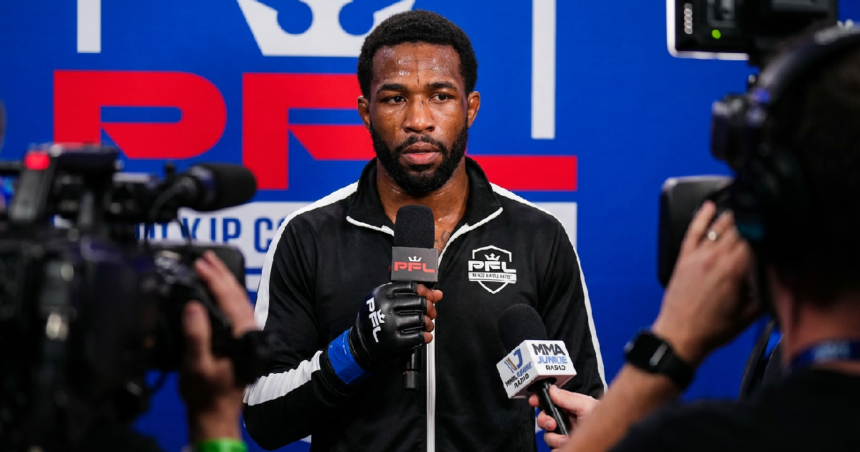
The aftermath of recent mixed martial arts events has left the industry with plenty to digest, and the latest discussions on MMA Junkie Radio have brought several high-profile narratives to the forefront. Central to the conversation is the upcoming PFL Chicago card and the evolving trajectory of Raufeon Stots, an athlete who remains a focal point for fans tracking the shifting power dynamics between major promotions.
As the Professional Fighters League (PFL) prepares for its Chicago event, the spotlight on Stots highlights the ongoing integration of former Bellator talent into the PFL ecosystem. Stots, a former interim bantamweight champion, represents the high-calibre roster depth that PFL acquired, yet his positioning within the tournament format continues to be a subject of intense debate among analysts and enthusiasts alike.
Raufeon Stots and the Chicago Spotlight
Expectations for the PFL Chicago event are high, particularly regarding how the promotion balances its established season format with the star power of acquired veterans. Stots has long been considered one of the most technically proficient bantamweights outside of the UFC, and his participation in Chicago is viewed as a litmus test for his ability to adapt to the PFL’s unique point-based structure.
The transition hasn’t been without its hurdles. Moving from a traditional ranking and matchmaking system to one defined by “win and advance” requires a different level of tactical planning. In the Chicago lineup, Stots is reportedly looking to assert his dominance early, knowing that a finish provides the maximum points needed to secure a comfortable lead in the standings. For the PFL, showcasing Stots effectively is vital for validating their recent merger and acquisition strategies.
Analyzing the UFC Fallout and Matchmaking Shifts
While the PFL is gearing up for its Windy City debut, the MMA community is still grappling with the fallout from the latest UFC cards. The promotion has seen a series of results that have shaken up several weight classes, leading to questions about the longevity of certain veterans and the rapid ascent of new contenders.
One of the primary themes emerging from the recent UFC schedule is the increasing difficulty of “gatekeeper” positions. Several established names have struggled against younger, high-output strikers, suggesting a generational shift is well underway. Matchmaking in the coming months is expected to reflect this, with the UFC likely leaning into fresh matchups rather than relying on historical rivalries that may have lost their competitive edge.
Moreover, the discussion surrounding officiating and scoring continues to ignite frustration. Recent split decisions have prompted renewed calls for more transparent judging criteria. Analysts point to these inconsistencies as a major narrative thread that could influence how fighters approach their bouts—opting for more aggressive, finish-oriented styles to take the results out of the judges’ hands.
Weight Class Dynamics and Future Projections
The intersection of PFL and UFC news highlights a broader trend: the narrowing gap in talent across the top of the sport. As Raufeon Stots navigates the PFL season, his performance will inevitably be compared to the elite of the UFC’s 135-pound division. This cross-promotional comparison is a staple of modern MMA discourse, driving engagement even if the athletes never actually meet in the cage.
Looking ahead, the next several weeks are crucial for the PFL Chicago roster. Success in this particular leg of the season creates momentum that is difficult to stop. For Stots, it is about more than just a victory; it is about proving he remains a championship-level threat in a new environment. Meanwhile, the UFC will be looking to resolve several’s division backlogs, particularly in the lightweight and featherweight ranks where a surplus of contenders has created a bottleneck at the top.
The Road to the PFL Playoffs
As we move deeper into the fighting calendar, the pressure on athletes like Stots will only intensify. The PFL format is notoriously unforgiving, and one slip in Chicago could derail an entire year’s worth of work. This high-stakes environment is exactly what the promotion envisioned when it sought to differentiate itself from the UFC’s hierarchy-based matchmaking.
Fans can expect a flurry of activity as these promotions vie for viewership. With high-profile fallout often leading to unexpected opportunities, the landscape of the sport remains as volatile and compelling as ever. Whether it is through the structured tournament of the PFL or the legacy-building matchups of the UFC, the narrative of the sport is currently being written by those willing to take the biggest risks in the cage.
Frequently Asked Questions
How does Raufeon Stots fit into the current PFL season?
Stots entered the PFL following the merger with Bellator. He is participating in the regular season format where he must earn points through victories and finishes to secure a spot in the postseason playoffs.
What makes the PFL Chicago event significant for the promotion?
Chicago serves as a major market for the PFL to showcase its deep roster, featuring both original PFL home-grown talent and the high-profile acquisitions from Bellator. It is a key date for establishing the leaders in the season standings.
Why is the UFC fallout still a major talking point?
Recent results have led to significant shifts in the rankings and have raised questions about which fighters are truly ready for title contention. The inconsistency in recent judging has also made every performance a topic of scrutiny for fans and media.