The Pro Football Newsroom is currently tracking a seismic shift in how NFL front offices are approaching the upcoming summer transfer window and recruitment cycle. As the league moves into the late spring period, the traditional methods of roster building are being challenged by new salary cap realities and a changing collegiate landscape.
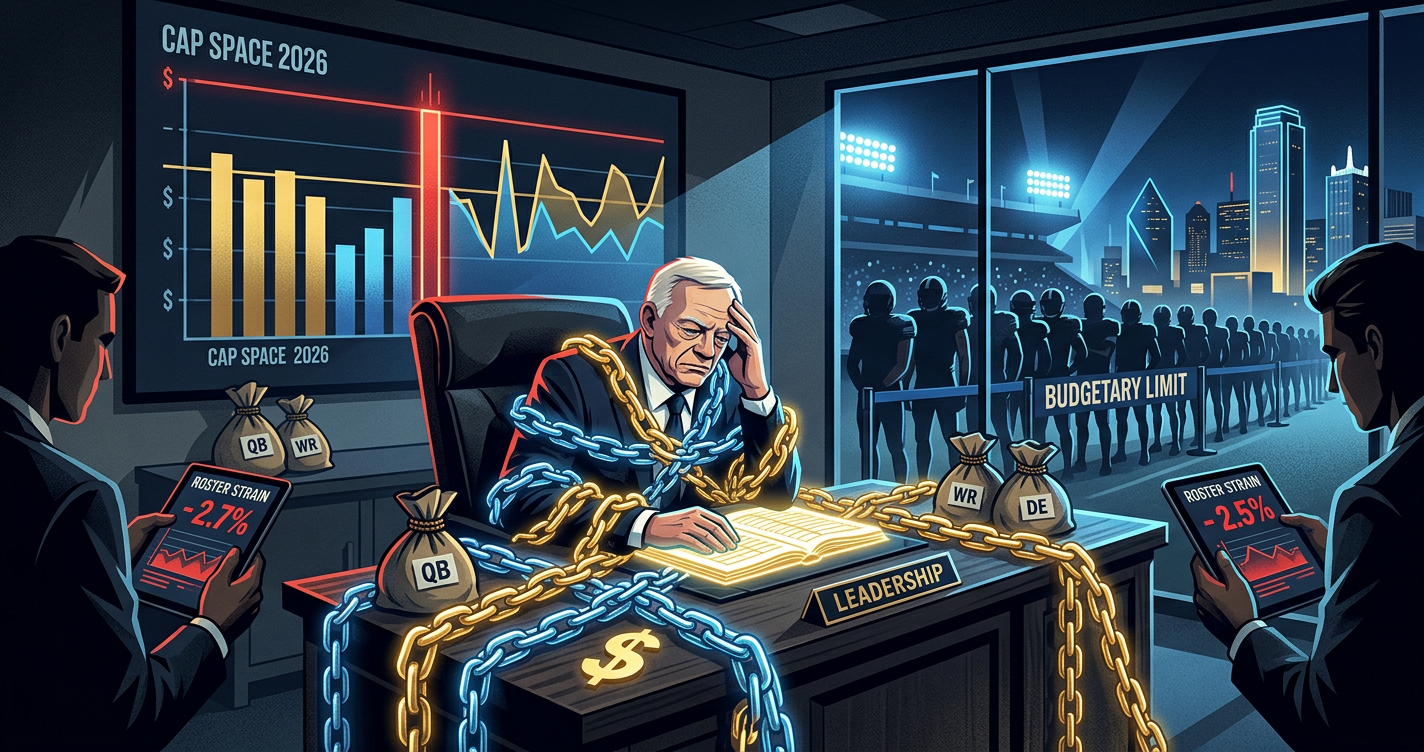
General managers across the league are reportedly reassessing their scouting departments in anticipation of a high-turnover summer. The focus has moved away from speculative long-term projects toward “plug-and-play” talent that can provide immediate value on rookie contracts. This shift is not just a trend; it is a necessity driven by the escalating costs of veteran contracts at premium positions like quarterback and edge rusher.
Front Office Strategy and the Summer Window
According to sources close to several AFC organizations, there is a growing consensus that the middle-market veteran is becoming an endangered species. Teams are increasingly choosing to fill depth chart gaps with late-round draft picks or undrafted free agents rather than signing experienced players to moderate “prove-it” deals. This approach allows teams to allocate more cap space to their top 5% of talent, creating a “stars and scrubs” roster architecture that has become prevalent in the modern era.
And it’s not just about the money. The technical demands of the game have evolved. Coaches are looking for specific athletic profiles that fit highly specialized schemes. As we’ve seen in recent scouting combines, the emphasis on raw speed and lateral agility has never been higher. If a player doesn’t meet the “threshold” numbers, they are being crossed off draft boards earlier than ever before, regardless of their college production.
Logistical Hurdles and International Expansion
While teams focus on the roster, the league office is preoccupied with the massive logistical undertaking of the 2026 season. With more international games on the horizon and the looming shadow of the North American World Cup logistics, the NFL is having to coordinate travel and venue availability with unprecedented precision. The overlap between professional football schedules and global soccer tournaments is creating a headache for stadium operators, particularly in dual-use facilities.
The Pro Football Newsroom has learned that several franchises are concerned about the “wear and tear” on playing surfaces. The transition from soccer pitch to football field requires a quick turnaround that often leaves the turf in sub-optimal condition. For teams with high-priced stars, the risk of non-contact injuries on these surfaces is a major point of contention in ongoing league meetings.
The Evolution of Recruitment Tactics
Recruitment is also seeing a digital revolution. The use of advanced AI to project player longevity and injury risk is no longer a niche hobby for data scientists; it’s a central pillar of the modern war room. Teams are using historical data to predict when a player’s physical peak will end, often leading to ruthless decisions regarding contract extensions for players in their late 20s.
But the human element remains. The ability of a head coach to sell a “culture” is still the most effective tool in landing high-profile free agents. We’ve seen this play out recently where players have turned down more lucrative offers to play for established winners or coaches with a reputation for player development. The strategic shift in recruitment isn’t just happening in football; it’s a global sports trend where data meets psychology.
What Lies Ahead for the 2026 Season
As we head toward the draft and the subsequent OTAs, the narratives are starting to crystalize. The gap between the “haves” and the “have-nots” is widening, not just in terms of win-loss records, but in organizational competence. The teams that successfully navigate the new cap environment and the logistical challenges of an expanding international schedule will be the ones standing in February.
Expect more movement in the trade market as teams look to shed salary before the June 1st deadline. The Pro Football Newsroom will be monitoring several high-profile wide receivers who are entering the final years of their contracts without extensions in place. The next sixty days will likely define the hierarchy of the league for the next three years.
Frequently Asked Questions
How is the 2026 World Cup affecting NFL schedules?
The overlap is causing significant venue conflicts. Several NFL stadiums are primary hosts for World Cup matches, requiring the league to schedule early-season away games for the impacted “home” teams to allow for turf recovery and stadium reconfiguration.
Why are middle-tier veterans struggling to find jobs?
Teams are prioritizing cap flexibility. It is often cheaper and more efficient to use a rookie on a controlled four-year contract than to pay a veteran five times that amount for marginal performance gains. This has created a polarized market for NFL talent.
Are international games becoming a permanent fixture?
Yes. The league’s strategy is focused on global brand expansion. While it presents logistical challenges, the revenue generated from international markets is seen as the primary driver for future salary cap increases.