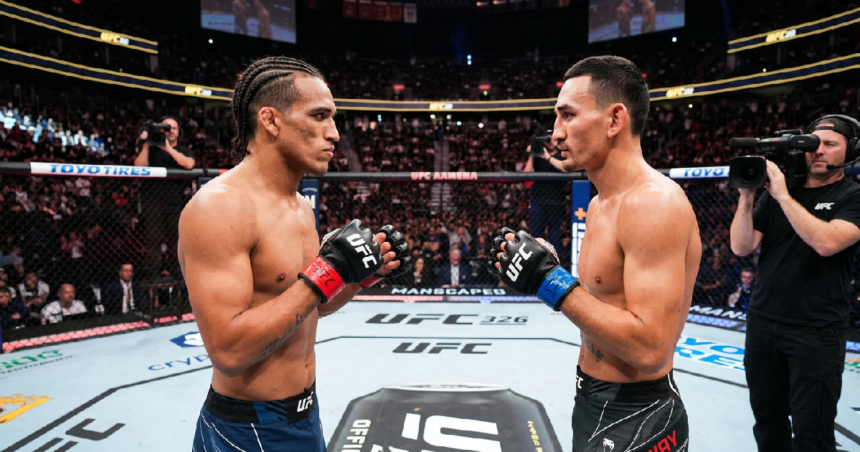
The fallout from UFC 326 has officially hit the record books, and the shifts in the lightweight and featherweight divisions are causing significant debate among the MMA community. With the latest rankings update released this morning, the hierarchy of the world’s most talent-dense weight classes has been reshaped by a weekend of high-stakes results.
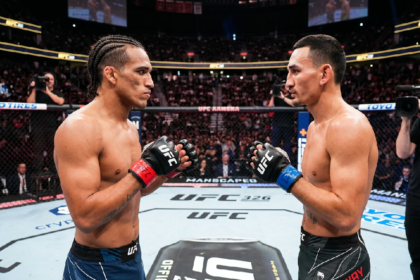
Charles Oliveira is once again the man of the hour. Following a vintage performance that reminded the world why he held the gold for so long, the Brazilian has surged back toward the top of the lightweight pile. While the champion remains firmly entrenched at the summit, “Do Bronx” has leaped over several contenders to solidify his position as the consensus number-one contender. It is a massive turnaround for Oliveira, who many wondered might have reached his ceiling against the current crop of elite wrestlers.
Weight shifts and the fallout for Max Holloway
While Oliveira celebrates a resurgence, the news is less favorable for Max Holloway. “Blessed” entered the weekend looking to cement his status as a dual-division threat, but the rankings committees have reacted sharply to his recent performance. Holloway’s slide down the pound-for-pound and divisional lists reflects the brutal nature of the sports “what have you done for me lately” mentality.
Holloway has long been considered the premier volume striker in the sport, but his tumble in the rankings suggests that the next generation of contenders is beginning to crowd the space he once occupied alone. The drop is particularly poignant given Holloway’s historical consistency; seeing him outside the top tier of his primary division is a sight fans haven’t had to get used to for nearly a decade.
The lightweight logjam and title implications
With Oliveira jumping several spots, the path to the 155-pound title has become both clearer and more complicated. The promotion now has a clear-cut top challenger with massive drawing power, but the win effectively stalls the momentum of younger prospects who were hoping for a changing of the guard. Oliveira’s ability to finish fights in spectacular fashion remains his greatest asset when it comes to convincing the matchmakers he deserves another crack at the belt.
And yet, the rankings also highlight the precarious position of the veterans. For every Oliveira jump, there is a corresponding slide for a name like Holloway or others who failed to protect their “number” this past cycle. The volatility of the lightweight rankings in particular suggests that the promotion is looking for fresh matchups to headline the second half of 2026.
What this means for the next quarter
The ripple effects of these rankings will be felt immediately in upcoming contract negotiations. Fighters who have seen their stock rise alongside Oliveira will be looking for improved terms and main-event slots. Conversely, those who tumbled, like Holloway, must now decide whether to take a “reset” fight against a lower-ranked opponent or attempt to fight back into the top five by taking on a dangerous up-and-comer.
The matchmaking team at the UFC now has a definitive roadmap for the summer. Oliveira’s rise almost certainly puts him on a collision course with the champion, likely in a late-summer blockbuster. For Holloway, the road back to the top is longer than it was 24 hours ago, but if history teaches us anything, he is rarely out of the conversation for long.
UFC Rankings FAQ
How are the UFC rankings actually determined?
The rankings are decided by a voting panel made up of various media members. These individuals rank the fighters by division and pound-for-pound status based on their recent performances, strength of schedule, and head-to-head results. The UFC themselves do not officially cast votes, though they facilitate the process.
Why did Max Holloway drop so significantly after just one event?
Rankings often reflect the momentum of the entire division rather than just one fighter’s loss. If Holloway loses while other contenders put on dominant performances, he can “tumble” several spots at once. In this case, the rise of new talent in both featherweight and lightweight contributed to his slide.
Does a number one ranking guarantee a title shot?
Not necessarily. While the rankings are a strong guide, the UFC often considers other factors like fighter availability, injuries, and commercial appeal. However, jumping to the top spot, as Oliveira has done, makes it much harder for the promotion to overlook a fighter when the champion is ready to return.