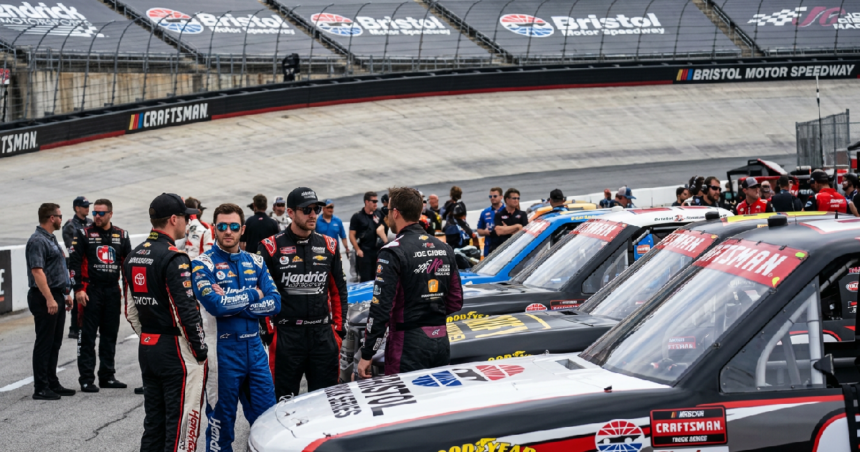
The upcoming NASCAR Craftsman Truck Series event at Bristol Motor Speedway is expected to feature a heightened level of competition as several high-profile Cup Series regulars reportedly prepare to join the field. According to reports, as many as seven of the sport’s top-tier stars are looking to secure additional track time at the high-banked Tennessee short track, a move that often precedes the main event at venues known for their technical difficulty.
Bristol has long been a venue where drivers seek every possible advantage. The concrete surface and high speeds in tight quarters make rhythm and timing essential for success. By entering the Truck Series race, these seasoned professionals are essentially looking to bridge the gap between simulation data and real-world application. This tactic is frequently used by the sport’s elite when navigating technical circuits, similar to how Piastri leads rain-hit practice sessions to gain a competitive edge in Formula 1.
Veteran Presence Bolsters the Grid
The potential influx of talent turns what is usually a developmental showcase into a high-stakes encounter. Among those expected to shift their focus to the trucks are established contenders who view the “World’s Fastest Half-Mile” as a critical double-duty opportunity. While specific team pairings are often finalized late, several drivers will likely slide into high-performing equipment fielded by organizations with close ties to their primary manufacturers.
This participation isn’t just about gaining a personal edge; it typically brings a significant boost to the visibility of the Truck Series. Having established veterans competing against younger prospects creates a challenging dynamic on the track. It forces the regulars in the Truck Series to elevate their performance, knowing they are competing against the same drivers who frequently contend for Sunday victories. This commitment to extra work and long-term development mirrors the dedication seen in other sporting arenas, such as when Ryan Higgins commits his future to Lord’s to ensure stability and progression for his side.
Strategic Implications for the Main Event
The primary motivation for these guest drivers remains the outcome of the subsequent Cup Series race. Bristol is notoriously difficult for overtaking, and the way the track surface “rubbers in” can change significantly over a race weekend. By competing in the Truck race, these drivers get an early look at how the racing surface and any traction compounds are reacting to heat and friction under race conditions. They also gain a better sense of how air moves between the walls, which is critical in a high-speed pack-racing environment.
The physical demand of running multiple races in one weekend at Bristol is substantial. The high G-loads and constant steering input required at the “Last Great Colosseum” make it one of the most grueling stops on the circuit. However, history suggests that those who put in the extra miles often find themselves with a clearer tactical picture when the laps wind down on Sunday. This reliance on veteran experience to navigate complex situations is a common theme in high-level sports management, much like the way Roy Hodgson returns to manage Bristol City to provide a steady hand and extensive knowledge to the organization.
Impact on Championship Regulars
Fans can expect the intensity of the Truck race to be significantly higher than a standard weekend. The presence of Cup stars often alters late-race strategy, as these guest drivers have nothing to lose regarding championship points and can be more aggressive in their pursuit of a victory. For the Truck Series regulars, beating a group of elite Cup drivers is a major achievement that can catch the eye of team owners scouring for talent to promote to the higher tiers of the sport.
As the weekend progresses, the focus will gradually shift back to the primary championship battle. However, the data gathered by these drivers during their preliminary stints could be a deciding factor in who masters the concrete high banks when the main event begins. In top-level motorsport, preparation is often the difference between a podium finish and falling down the order. Even the most seasoned professionals understand that being on the track as much as possible is the only way to stay sharp in a rapidly evolving racing environment.
The Double-Duty Dynamic
NASCAR allows a limited number of appearances for veteran drivers in lower series to help boost the profile of those events and provide a benchmark for younger talent. While there are restrictions on how many races they can enter, particularly during the post-season, these guest appearances remain a staple of the Bristol experience. While the trucks handle differently—possessing more aerodynamic drag and less horsepower than a Cup car—the track conditions remain the same. Learning where the grip is and how tires wear over a long run provides data that translates directly to the premier series.