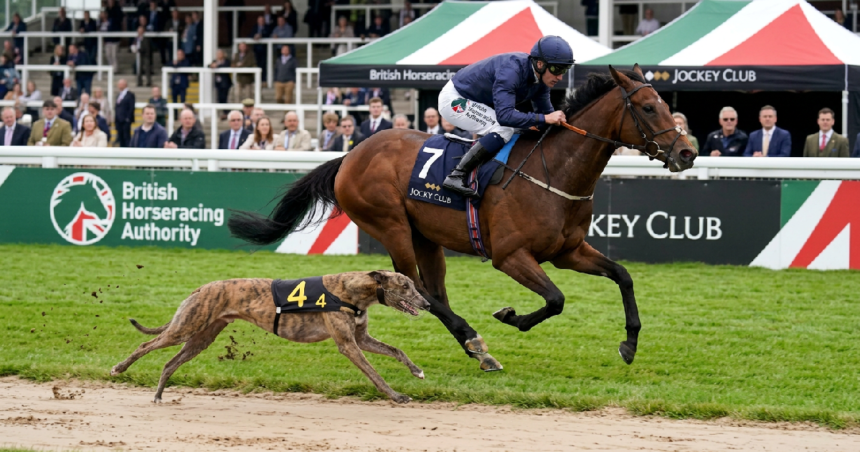
A heated debate regarding the regulatory future and public perception of British racing has intensified this week following controversial comparisons drawn between horseracing and dogracing. Critics of the equestrian sport have long sought to align the two industries in a bid to tighten welfare legislation, while industry figureheads argue that such a comparison fundamentally misunderstands the scale and heritage of the turf.
The core of the friction lies in how both sports are perceived by modern audiences and, more crucially, by government bodies responsible for gambling levies and animal welfare standards. While greyhound racing has seen its footprint shrink significantly over the last two decades, horseracing remains a cornerstone of the UK’s sporting and economic identity. But the pressure to justify its “social license” has never been higher.
The Battle Over Public Perception
Equating the two sports isn’t just about the mechanics of the race; it’s a tactical move often used by animal rights groups. By linking horseracing to dogracing—an industry that has faced severe scrutiny over kennel conditions and retirement numbers—campaigners hope to apply the same level of regulatory pressure to the Jockey Club and the British Horseracing Authority (BHA).
For those within the racing industry, the comparison is often seen as an insult. They point to the vast differences in breeding, the multi-million pound investments in veterinary care, and the sheer economic impact of the bloodstock industry. Britain’s racing sector contributes billions to the economy, a figure that dwarfs the modest returns of the dwindling greyhound circuit. But and this is a big “but,” the public’s tolerance for risk in animal sports is waning across the board.
The optics of the sport are increasingly scrutinized. High-profile incidents at major festivals like Aintree or Cheltenham lead to immediate comparisons with the risks associated with the “dogs.” When a horse falls, the narrative increasingly mirrors the criticisms leveled at the greyhound industry: that these are disposable commodities in a gambling-focused entertainment machine.
Regulatory Pressures and the Gambling Levy
Beyond the ethical debate, there is a cold, hard financial reality to this comparison. The way these sports are funded via the gambling industry is a point of contention. Horseracing has long fought for a more favorable share of the betting levy, arguing that the cost of putting on a race meeting—maintaining tracks, prize money, and safety protocols—is exponentially higher than running a greyhound meeting around a small city stadium.
If the government begins to view horseracing as merely “greyhound racing with larger animals,” the specialized protections and funding models the sport enjoys could be at risk. This is why the BHA has spent the last year doubling down on its “A Life Well Lived” campaign, emphasizing the care horses receive from birth to retirement. They are desperate to decouple the two sports in the minds of policymakers.
Can the Industries Learn From Each Other?
While the racing elite might recoil at being mentioned in the same breath as dogtracks, some analysts suggest that greyhound racing’s struggle to survive offers a cautionary tale. The dogracing industry failed to modernize its image quickly enough to satisfy a new generation of viewers who prioritize welfare over the betting slip.
Horseracing is currently at a crossroads. It has the advantage of prestige and massive crown-jewel events, but it faces similar headwinds. Modernization is no longer optional. Whether it’s the modification of fences at Aintree or the strict new rules regarding whip use, every move is designed to ensure the sport doesn’t follow the shrinking trajectory of the greyhound industry.
As we look toward the major spring festivals, including the Grand National, the “horse vs dog” narrative will likely persist in the tabloid press and on social media. The racing industry knows that winning the argument isn’t just about showing they are bigger than the dogs; it’s about proving they are better at protecting their participants.
Frequently Asked Questions
Why are people comparing horseracing to dogracing?
The comparison is usually made by critics who argue that both sports use animals for gambling purposes and carry inherent risks of injury. It’s often used as a way to push for stricter welfare laws by highlighting the similar commercial nature of the two industries.
What are the main differences between the two sports?
Economically and culturally, they are worlds apart. Horseracing is a global industry with massive breeding operations and significant impacts on rural economies. Dogracing is a much smaller, localized industry that has seen a sharp decline in participation and venues over the last 30 years.
How is the horseracing industry responding to welfare concerns?
The horse racing industry has invested heavily in safety, including track modifications and pre-race veterinary screenings. They’ve also launched major PR campaigns to educate the public on the high standards of care that racehorses receive, specifically to avoid being lumped in with less-regulated animal sports.