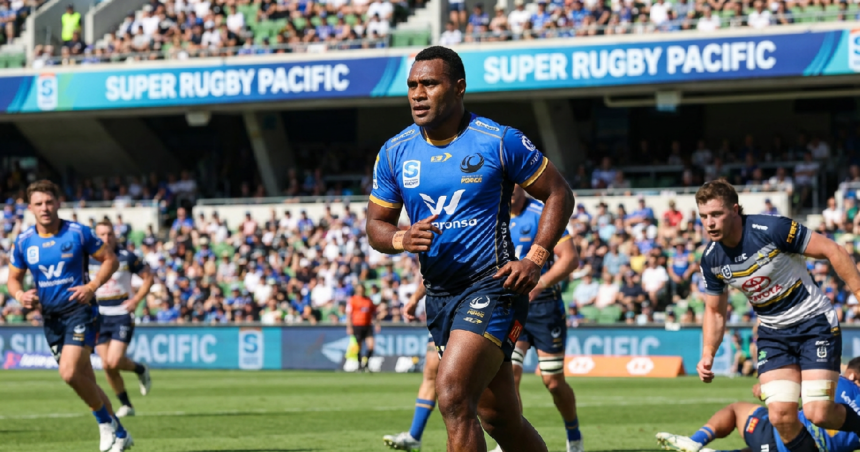
The Western Force have been forced to rethink their back-row strategy as the Western Australian side prepares for its next Super Rugby Pacific outing. What was initially built as a stage for Atu Mony Lomax to make a definitive impact has shifted into a potential debut for a rising Fijian talent, after Lomax’s involvement took an unexpected turn.
Rugby observers and Force supporters have been tracking the integration of Lomax into the first-team setup. However, with the latest squad rotations and fitness assessments coming to light, the “anti-climax” of his anticipated role has opened a door that few expected to swing wide this early in the season. The tactical pivot suggests the coaching staff is ready to favor explosive raw talent over the established pecking order.
Shift in Force Back Row Dynamics
The absence or limited utilization of Lomax creates a significant void in the power game the Force have tried to cultivate this year. Lomax was seen as the bridge between the set-piece stability and the mobility required to compete with the high-tempo New Zealand franchises. But professional rugby rarely follows a script, and the Force now find themselves looking toward their Fijian contingency to provide the spark that has been missing in recent starts.
While the club has not officially confirmed the starting XV, insiders suggest that the training paddock has seen a heavy emphasis on integrating their Fijian prospect into the primary defensive and poaching schemes. This move mirrors a broader trend in Super Rugby Pacific, where teams are increasingly leaning on the individual brilliance of Pacific Island players to break the structure of organized defensive lines.
The Impact of the Lomax Situation
For the Western Force, the Lomax situation is more than just a personnel change; it is a test of their squad depth. Simon Cron has been vocal about building a culture where the next man in is ready to seize the jersey. The transition from the Lomax plan to a Fijian-led back row suggests a shift toward a more unstructured, dangerous style of play.
The “anti-climax” surrounding Lomax likely stems from a combination of tactical fit and match fitness. In a league as physical as this, even a slight drop in output can lead a coach to look for alternatives. The Fijian influence in the squad traditionally brings a high ceiling for offloads and post-contact meters, elements the Force have struggled to generate consistently during the opening rounds.
Navigating the Remaining Season
The Force are at a crossroads. To remain competitive in the race for the finals, they need more than just effort; they need game-changers. By potentially handing a debut to their Fijian recruit, they are signaling a willingness to take risks. It is a gamble that fans in Perth are likely to get behind, especially if it results in the kind of highlight-reel rugby synonymous with the islands.
And yet, the pressure remains on the coaching staff to ensure this isn’t a reactive move. Replacing Lomax’s expected output requires a collective effort from the tight five to ensure the new debutant has the clean ball necessary to operate. If the set piece fails, it won’t matter who is wearing the number 6 or 7 jersey.
Western Force Player Rotation FAQ
Why is Atu Mony Lomax missing out on the expected role?
While specific injury details are often kept close to the chest, the shift appears to be a mix of tactical preference and the player not hitting the specific performance benchmarks required for the upcoming match-up. This has led to the “notable anti-climax” in his selection trajectory.
What can fans expect from the potential Fijian debutant?
Typically, the Fijian players within the Force system bring exceptional athleticism and a high work rate over the ball. Fans should look for increased speed in the transition from defense to attack and a willingness to keep the ball alive in contact.
How does this change the Force’s strategy against New Zealand teams?
The Force will likely move away from a purely attritional game and attempt to fight fire with fire. By introducing more unpredictability into the back row, they hope to disrupt the rhythmic ball movement that New Zealand sides use to Tier-1 effect.