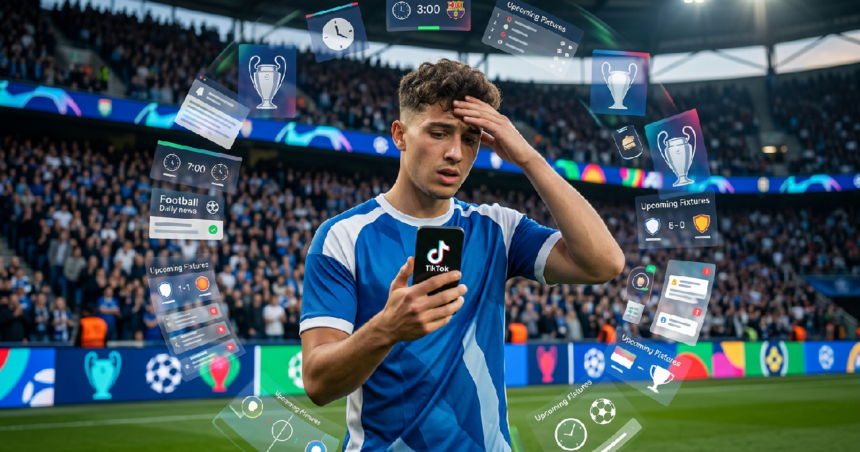
The relentless expansion of the European football calendar has reached a saturation point where even the most prestigious fixtures are beginning to feel like background noise. As the continent enters another heavy cycle of midweek matches and high-stakes continental clashes, there is a growing sense among supporters and critics alike that the sport is trapped in a loop of its own making—a repetitive cycle tailored for the fleeting attention spans of the TikTok generation.
Governing bodies and major clubs continue to squeeze every possible minute of broadcast time out of the elite level of the game. But as the frequency of “must-watch” matches increases, the individual significance of each result appears to diminish. It is a paradox of plenty: more football should be better for the consumer, yet the product often feels increasingly diluted and predictable.
The Dilution of Drama in Elite Competition
For decades, the allure of European football was rooted in its scarcity. Seeing the heavyweights of the Premier League, La Liga, and the Bundesliga face off was an event that required months of anticipation. Now, with expanded formats and the constant pull of global tours, these matchups occur with such regularity that they have lost their luster. They have become the content equivalent of a mindless scroll through a social media feed—vibrant, high-definition, but ultimately fleeting.
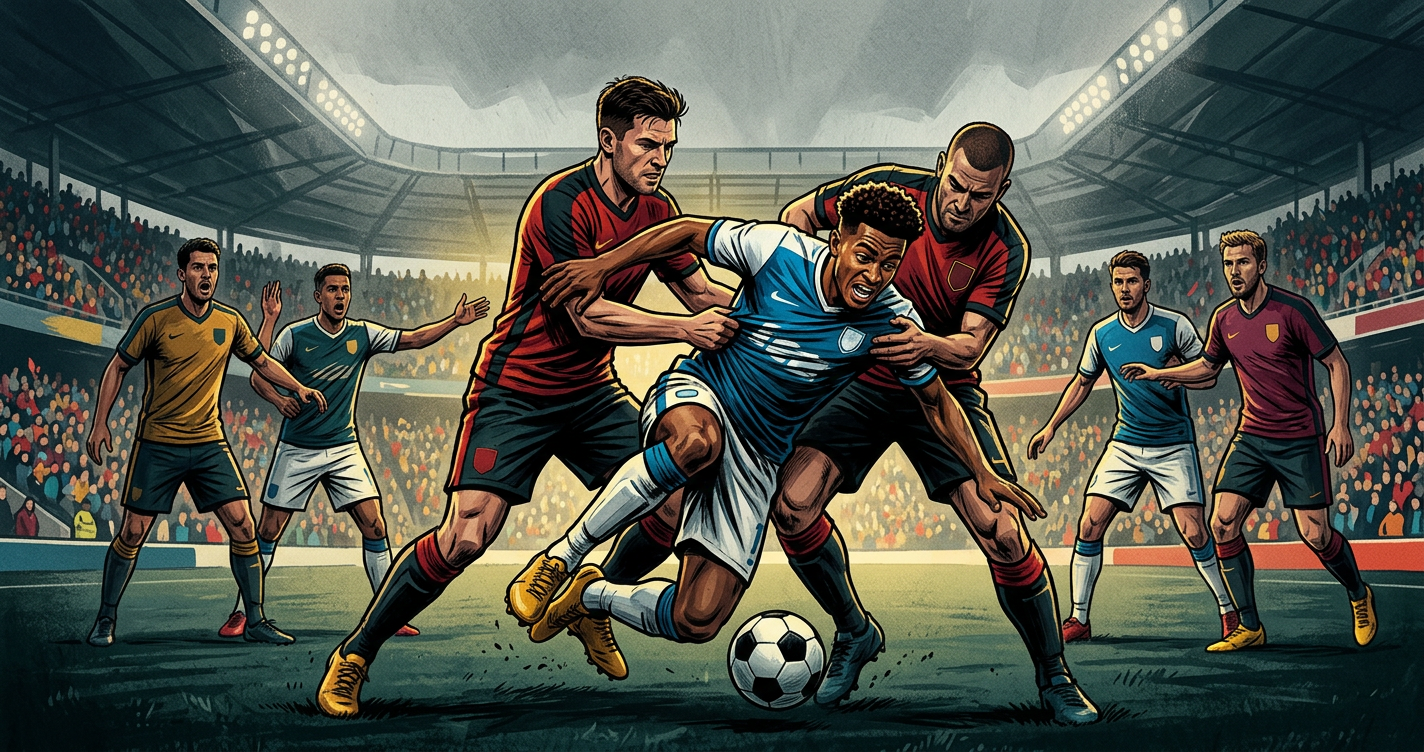
This “Groundhog Day” effect isn’t just about the frequency of matches; it’s about the predictable narrative arcs that elite football now follows. The financial chasm between the top handful of state-backed or billionaire-owned clubs and the rest of the pyramid has created a ceiling that is rarely pierced. We see the same teams in the same quarter-finals year after year, playing a brand of high-pressing, data-driven football that, while technically perfect, can sometimes lack the chaotic soul that made the sport unpredictable.
The modern viewer, particularly those habituated to the fast-paced delivery of TikTok, is being fed a diet of constant highlights. But when everything is a highlight, nothing truly stands out. The sport is pivoting toward a “clip culture” where 15-second moments of individual brilliance are valued more than the 90-minute struggle of a tactical battle.
Burnout and the Physical Toll on Players
While fans may be suffering from metaphorical fatigue, the players are dealing with the literal version. The current schedule leaves almost no room for recovery, leading to an uptick in soft-tissue injuries and a noticeable drop in intensity during the middle portions of the season. Managers across Europe have become increasingly vocal about the welfare of their squads, yet the machine continues to turn.
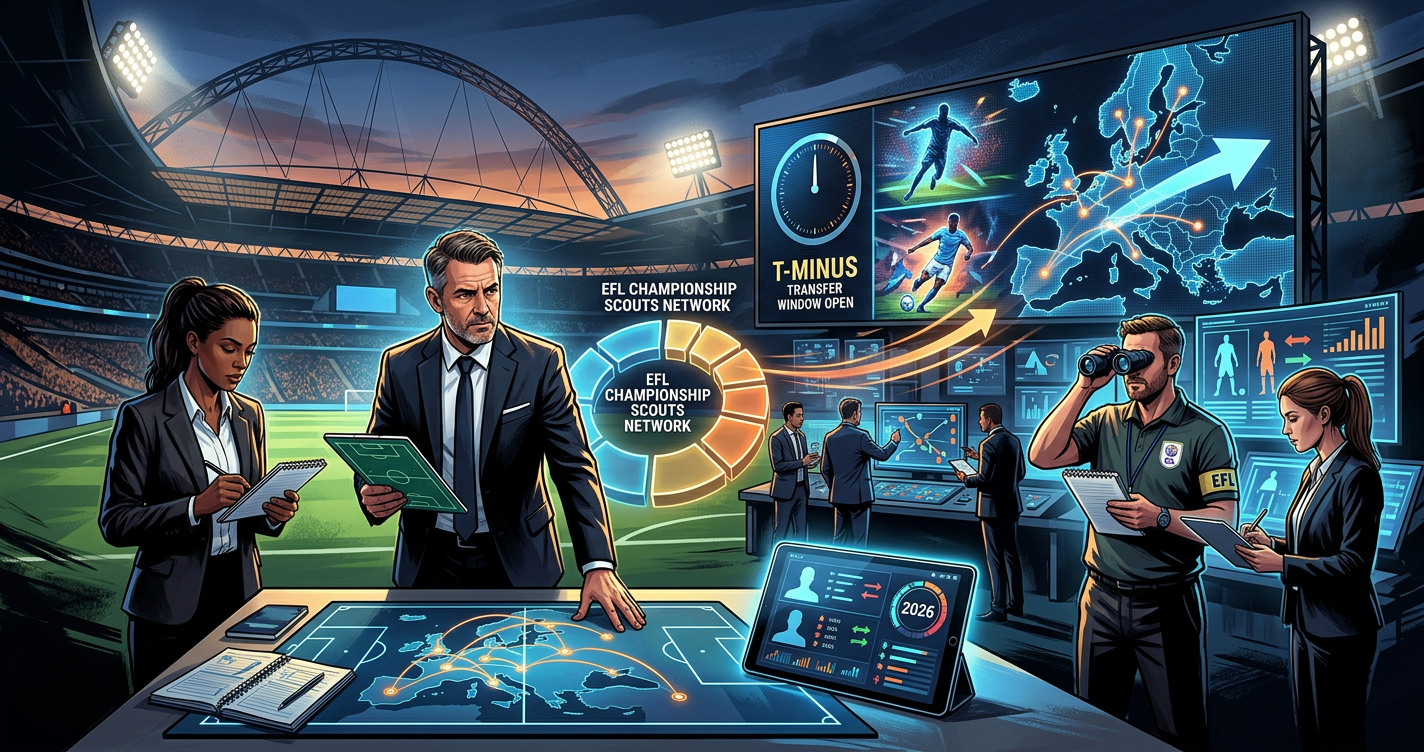
And it’s not just the players who are feeling the strain. Smaller clubs are finding it harder than ever to compete as clubs shift strategy as summer transfer window looms, often focusing on depth and durability over experimental flair. The result is a more professionalized, more athletic, but perhaps less imaginative version of the game.
The Shift Toward Short-Form Engagement
Chasing the younger demographic has fundamentally altered how football is packaged. Broadcasters and social media teams focus on the “viral” potential of a match—the outrageous skill, the touchline spat, or the controversial VAR decision. This creates a feedback loop where the sport prioritizes drama over depth.
But there is a risk in this strategy. By catering to the TikTok generation’s perceived need for constant stimulation, football may be eroding the loyalty and patience that sustain a fan base over a lifetime. If a match is only as good as its last viral clip, the incentive to watch a grueling 0-0 draw—which can often be a tactical masterpiece—evaporates entirely.
Looking Toward a Fragmented Future
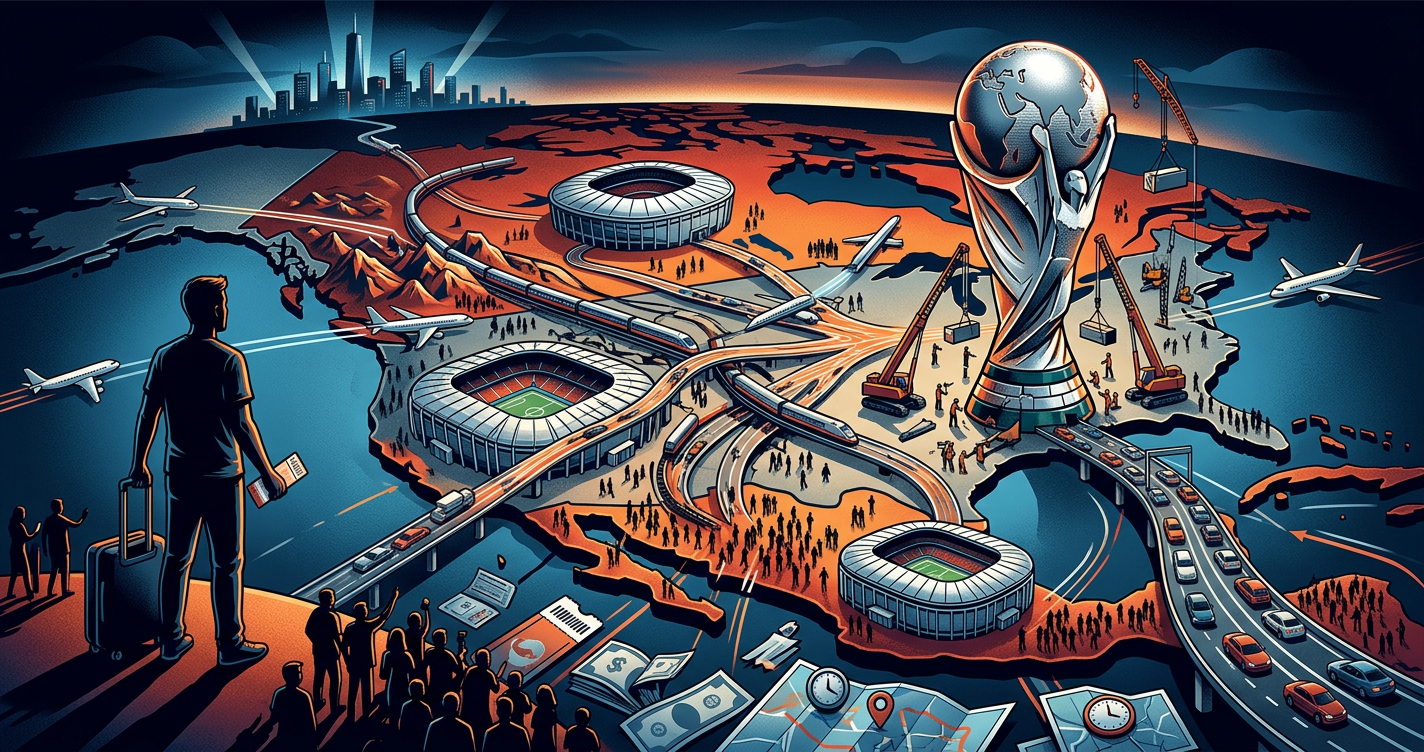
As we look at the upcoming changes to major tournament formats, including the North American World Cup, the logistical and emotional demands on the sport will only increase. We’ve already seen reports that the North American World Cup faces daunting logistical hurdles, which suggests that the expansionist era of football is hitting significant friction in the real world.
The question remains whether the “Groundhog Day” of elite European football can be broken. Without a meaningful re-evaluation of the calendar and a renewed focus on the competitive balance that makes sport interesting, we may continue to see a product that grows in volume but shrinks in soul.
European Football FAQ
Why is the current football schedule so congested?
The congestion is primarily driven by revenue goals from governing bodies like UEFA and FIFA, alongside the commercial demands of top-tier clubs. More matches mean more broadcasting rights fees and sponsorship opportunities, even if it puts more strain on the athletes.
How is social media changing the way we watch matches?
Social media encourages “second-screening” and a focus on short-form highlights. This has led clubs and broadcasters to prioritize “moments” over the full 90-minute narrative, effectively turning matches into a series of potential viral clips.
Are players likely to take action against the increased workload?
There is growing talk within player unions about potential strikes or collective bargaining to limit the number of matches played per season. While nothing is confirmed, the rhetoric from elite players regarding physical and mental burnout has never been sharper.