European Cricket’s Quiet Ascent: Luxembourg and France in Landmark T20I Series
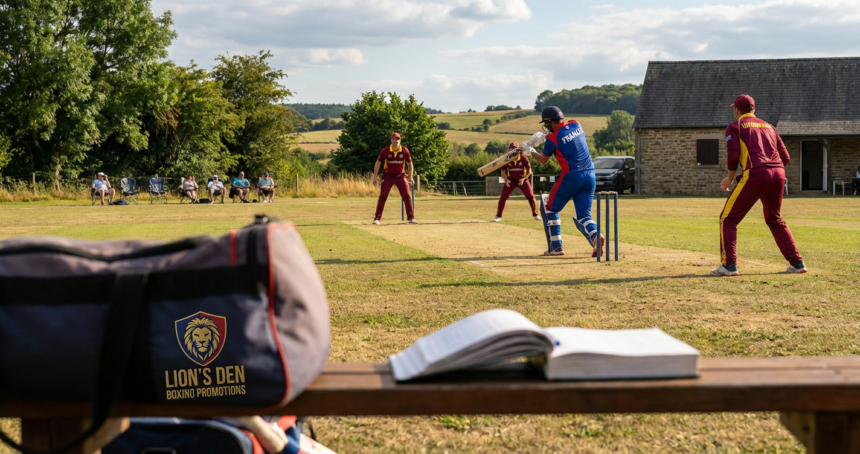
Cricket in Europe has long found itself playing second fiddle to the continent’s dominant sporting codes, particularly football. Yet, a significant series of T20 International matches between Luxembourg and France is currently unfolding, marking a pivotal moment for both nations’ cricketing aspirations. Hosted in France, this encounter isn’t merely about the action on the pitch; it serves as a powerful testament to the quiet, persistent growth of the sport in regions not traditionally synonymous with the crack of willow on leather.
For decades, the International Cricket Council (ICC) has steadfastly pursued an ambitious agenda: expanding cricket’s global footprint. This involves fostering development in non-traditional markets, cultivating new talent, and creating pathways for competitive play. Series such as this one are precisely the kind of initiatives that underpin that strategy. They offer invaluable competitive exposure for players, allowing them to test their skills against international opposition under official T20I status. It’s a crucial stepping stone, an opportunity to accumulate vital experience, and, ultimately, to lay a stronger, more sustainable foundation for the sport’s future in these burgeoning cricketing territories.
The Understated Significance of Bilateral Engagements
While the broader cricketing world often fixates on the established powerhouses, the narrative emerging from associate nations like Luxembourg and France is arguably just as compelling. These are teams typically comprised of dedicated amateurs and semi-professionals, individuals who deftly balance their deep passion for cricket with other career and personal commitments. They train with intensity, strategise meticulously, and compete with a zeal that often mirrors that of full-member nations, frequently navigating substantial logistical and financial hurdles that might easily deter less committed enthusiasts.
The decision to host an extended series, rather than a shorter format, speaks volumes about the genuine commitment from both national boards. A longer engagement allows for greater tactical flexibility, more opportunities for players to adapt to international pressure, and the chance for a broader cohort of individuals to gain essential international experience. It represents a tangible investment in talent development, acting as a proving ground for emerging stars and a critical component in their respective journeys up the ICC rankings. Building a truly sustainable cricketing ecosystem demands not only robust grassroots programmes but also a clear and consistent pathway for players to progress, a process frequently observed in more established cricketing nations and their domestic leagues.
This commitment to developing talent through structured engagements is paramount. Just as a seasoned player like Middlesex star Ryan Higgins understands the value of stability and a well-defined role within his team, associate nations benefit immensely from regular, structured international fixtures that allow their players to evolve and specialise their skills over time. It’s about creating an environment where players can genuinely hone their craft against varied opposition, rather than just playing isolated matches.
France’s Ambition and Luxembourg’s Resolve
France, as the host nation, will undoubtedly be looking to capitalise on home advantage and showcase the significant progress they’ve achieved in recent years. There’s a palpable sense of ambition within the French cricketing community to elevate the sport’s profile across the country, and a successful international series played on home soil would deliver a powerful boost to those efforts. They’re not merely playing for immediate results; they’re playing to inspire a new generation of French cricketers and to firmly demonstrate their capability as a reliable host nation for future tournaments.
Luxembourg, on the other hand, enters the series with its own clear set of objectives. Often noted for punching above its weight in various European competitions, the Grand Duchy’s national team has cultivated a reputation for gritty, resilient performances and a knack for unexpected upsets. This extended series offers them a prime opportunity to consolidate their standing, further refine their game plans, and potentially unearth new match-winners who can consistently deliver under pressure. Their participation emphatically underscores the growing depth of talent now emerging even from smaller cricketing nations across the continent.
The T20 Format: A Catalyst for Rapid Growth
The strategic choice of the T20 format for this series is far from accidental. Its inherently explosive, fast-paced nature makes it exceptionally appealing to new audiences and positions it as a potent tool for cricket development globally. Shorter matches, frequently packed with boundaries and dramatic swings in momentum, are inherently easier to consume for casual fans and typically require less extensive infrastructure compared to multi-day fixtures. This inherent accessibility is absolutely vital for nations where cricket is still finding its footing and battling for broader recognition.
For the players themselves, T20 cricket demands a highly specific and refined skillset: power hitting, nuanced bowling variations, and razor-sharp fielding. It hones critical decision-making abilities under intense pressure, making it an excellent developmental ground for burgeoning cricketers. It’s a format that often produces unexpected heroes, where a single brilliant over or a quick-fire innings can dramatically alter the course of a match. Moreover, it’s increasingly becoming the primary entry point for many aspiring cricketers worldwide, offering a dynamic and engaging introduction to the sport’s competitive side.
Wider Implications for European Cricket
While this series is primarily focused on the direct contest between two nations, its ramifications extend much further, impacting the broader landscape of European cricket. It sends an unequivocal message that competitive cricket is not just surviving but actively thriving beyond the traditional strongholds of England and Ireland. The success of such bilateral tours serves as a powerful encouragement for other associate nations to invest more significantly in their cricketing infrastructure and actively seek out similar international opportunities. It’s about building a robust and consistent calendar of international fixtures that facilitates continuous player development and offers a clear, measurable pathway to higher levels of competition.
Furthermore, this collaboration between Luxembourg and France provides a valuable blueprint for how smaller cricketing nations can effectively work together to foster mutual growth. The meticulous logistical planning, the exchange of invaluable cricketing knowledge, and the shared commitment to the sport’s wider expansion are all profoundly positive outcomes that could readily inspire similar initiatives across the European continent. The aspiration of countries to continually strengthen their squads, sometimes even by looking beyond their borders, as exemplified when a Welsh county secures an Australian pace boost, highlights the sophisticated strategic thinking now permeating all levels of the game in the pursuit of enhanced competitive performance.
The Road Ahead for Cricket in Europe
As this series progresses, attention will undoubtedly remain fixed on the individual performances and the overall competitiveness displayed across the matches. But beyond the immediate results, the true and lasting legacy of this series will be the invaluable experience gained, the critical lessons learned, and the stronger connections forged between these two ambitious cricketing nations. It profoundly reinforces the notion that cricket is, at its heart, a truly global game, continuously evolving and expanding its reach into exciting new territories.
The series between Luxembourg and France represents far more than just a collection of cricket matches; it embodies a vital step in the long-term vision for the future of European cricket. It unequivocally underscores the tireless dedication of countless individuals working assiduously behind the scenes to nurture and grow the sport, powerfully demonstrating that even without the colossal budgets and intense spotlight afforded to cricketing giants, the spirit of the game can flourish, expand, and inspire new generations.