The debate surrounding the definition of ‘female’ in elite sports has reached a fever pitch, moving far beyond the simple binary categorizations of the past. As international federations grapple with how to balance inclusivity with competitive fairness, the scientific and legal frameworks used to determine eligibility for transgender athletes are facing unprecedented scrutiny. It is no longer just a matter of testosterone levels; it is a complex intersection of biology, ethics, and the very philosophy of women’s sports.
For decades, the sporting world relied on relatively straightforward markers. But the modern era has introduced a collision of rights that sports administrators are struggling to manage. On one side stands the principle of protected categories designed to ensure biological females can compete on a level playing field. On the other is the push for gender identity to be the primary metric for inclusion. The result is a fractured landscape where different sports—from swimming to rugby—are moving in diametrically opposite directions.
The Shift from Testosterone to Biology
Historically, organizations like the International Olympic Committee (IOC) leaned heavily on testosterone suppression as a “silver bullet” for inclusion. The logic was simple: lower a trans woman’s testosterone to a certain level for a year, and the physiological advantages of male puberty would dissipate. However, newer peer-reviewed research and sports-specific data have begun to challenge this assumption.
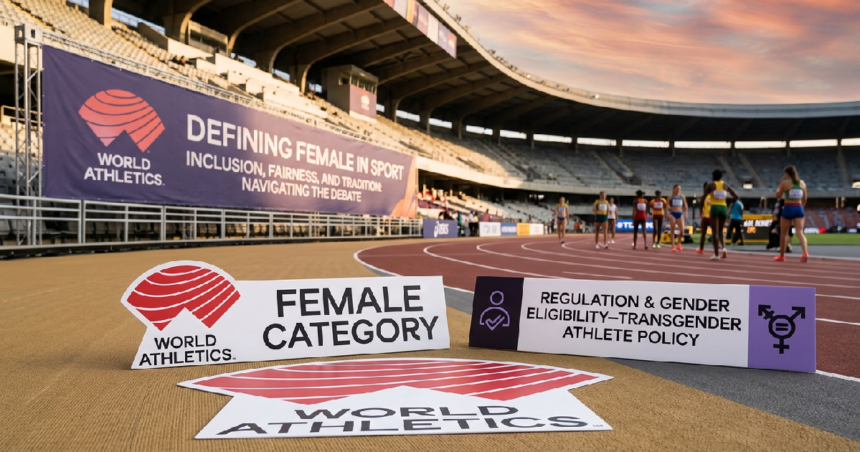
World Athletics and World Aquatics have been among the first to pivot, citing evidence that the skeletal structure, lung capacity, and muscle memory gained during male puberty are not fully reversed by hormone therapy. By moving toward a “female primacy” model, these bodies have effectively redefined the category based on sex assigned at birth rather than current hormonal status. This shift has been lauded by many female athletes who felt their category was being eroded, yet it has been condemned by advocacy groups as a form of institutional exclusion.
But the problem remains: how do you define “female” in a way that is legally robust? In several jurisdictions, including parts of the United States and Europe, legal challenges are mounting. If a sport defines female as a biological reality, it risks falling foul of gender identity discrimination laws. If it defines it by identity, it risks lawsuits from female competitors claiming their right to fair competition—protected under frameworks like Title IX—has been violated.
Rugby and the Safety Mandate
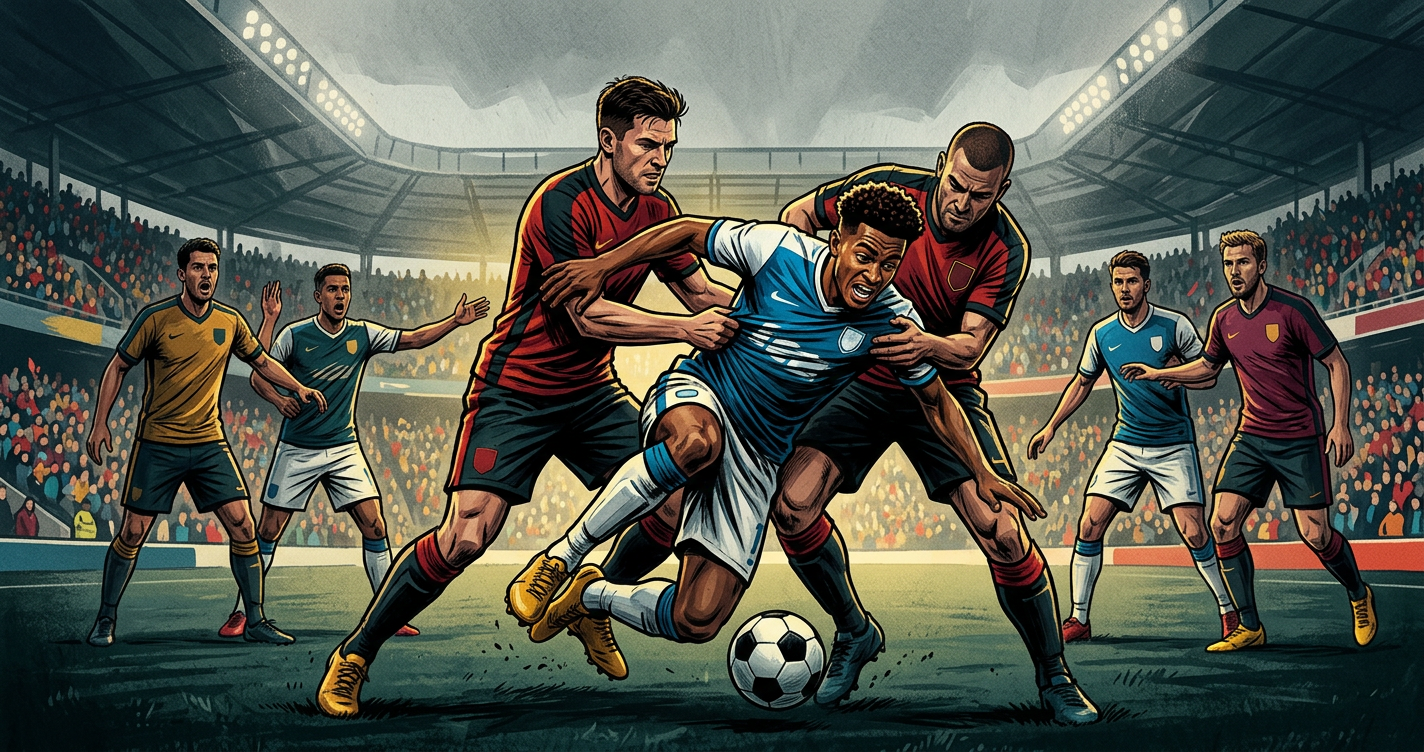
While sports like tennis and track focus on “fairness” (the speed and power gap), rugby has introduced a third, more visceral element: safety. World Rugby was the first major international federation to ban transgender women from the elite female game, specifically citing the risk of injury. Their reasoning was based on the physical force differentials between those who have gone through male puberty and those who have not.
This “safety-first” approach has created a blueprint that other high-contact sports are now considering. It highlights a critical nuance in the debate: the definition of female in sport isn’t just about who can win a trophy; it’s about who can safely share a pitch. Yet, the pushback is significant. Critics argue that safety risks are inherent in all sports and that variance in size and strength exists within the female category already. To they, the exclusion feels like a solution in search of a problem.
The Looming Legal and Ethical Deadlocks
As we head deeper into 2026, the focus is shifting toward the “Open Category” solution. Several federations have proposed creating a third category where transgender athletes and those with differences in sexual development (DSD) can compete. On paper, it seems like a logical compromise. In practice, it has struggled to gain traction. Participation rates are low, and many athletes feel that being moved to an open category is a form of “othering” that diminishes their identity.
And then there is the logistical hurdle of the World Cup logistics and other major tournaments where varying state and national laws regarding gender will come into play. A swimmer might be eligible to compete as a female in one country but barred in another, creating a chaotic environment for international rankings and Olympic qualification.
The lack of a centralized, global standard means that the next few years will likely be defined by litigation. Until there is a consensus on whether the “female” category is a protected biological class or a social identity, the sporting world remains in a state of civil war.
What This Means for the Future of Elite Sport
The trajectory suggests a move toward more rigid biological standards at the elite level, while grassroots sports are being encouraged to remain as inclusive as possible. This “two-tier” system acknowledges that the stakes of a local community park run are vastly different from a race for an Olympic gold medal or a professional contract.
However, the middle ground is disappearing. As scientific data continues to emerge regarding the “retention of advantage,” the window for trans women to compete in the female category at the highest levels appears to be closing. For many, this is a necessary correction to protect the integrity of women’s sports. For others, it represents a step backward in the fight for trans rights and visibility in public life.
Frequently Asked Questions
Why is testosterone no longer the only factor considered?
While testosterone is a primary driver of performance, sports scientists have pointed out that it doesn’t account for developmental changes during puberty, such as bone density, limb length, and the number of fast-twitch muscle fibers. These traits remain largely unchanged even after years of hormone therapy, leading some federations to argue that biological sex is the fairer metric.
What is the “Open Category” and is it working?
The Open Category is a proposed division where anyone can compete regardless of their gender identity or biological sex. While it’s seen as an inclusive alternative, it has faced challenges because many elite trans athletes want to compete within the category that matches their identity, and there often aren’t enough competitors to make an “open” field viable at the elite level.
How are different sports handling these rules?
It varies wildly. World Athletics has a near-total ban on trans women who have gone through male puberty, whereas some domestic tennis or soccer associations allow participation based on self-identification at lower levels. This inconsistency is one of the biggest challenges facing athletes today, as rules can change depending on the level of competition or the country they are in.