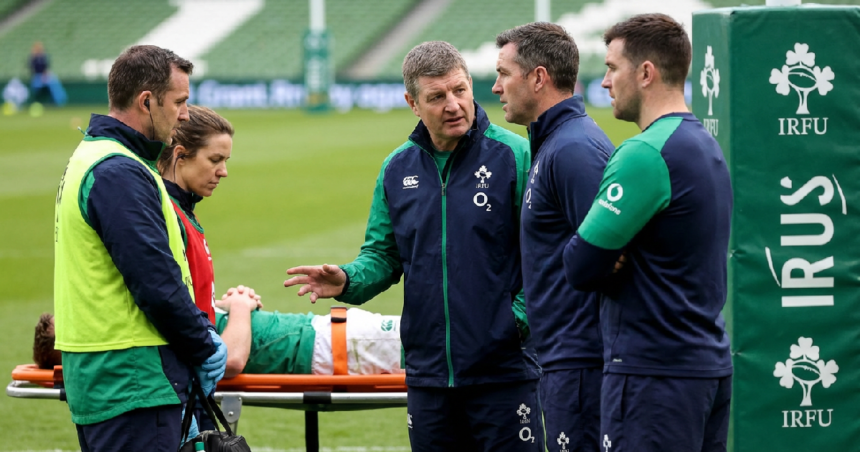
The duty of care within rugby union has moved to the forefront of the sport’s executive agenda once again. In a direct address regarding the future of the game, IRFU performance director David Irwin has stressed that ensuring player safety is no longer a peripheral concern but an existential necessity for the sport’s longevity.
Irwin’s comments come at a fractious time for rugby. The game is currently grappling with a series of high-profile legal challenges from former players suffering from early-onset dementia and other neurological conditions. While the physical nature of the sport is its primary draw for many fans, the mounting evidence regarding sub-concussive hits and long-term brain health has forced a reckoning from the grassroots level up to the professional ranks.
The Mandate for Structural Change
For Irwin, the conversation around safety isn’t just about changing the laws on the pitch; it is about changing the culture of the training ground. There is a growing consensus among medical professionals and high-performance coaches that the volume of contact during the week needs to be strictly monitored to reduce the cumulative load on players’ bodies and minds.
But implementing these changes is a delicate balancing act. Coaches often argue that “hardening” players through contact is necessary to prepare them for the intensity of international matches. Irwin, however, suggests that the trade-off is becoming too steep. If the game doesn’t adapt, it risks losing a generation of talent as parents steer children toward less combative sports.
The focus has shifted heavily toward tackle height and the “red zone” of the body. Recent law trials have sought to lower the legal tackle height to the waist in certain tiers of the game, a move that has met with both praise for its safety potential and criticism for how it fundamentally alters the physics of the contest.
Data Driven Decisions and Tech Integration
And then there is the technology. The introduction of smart mouthguards, which monitor the force of impacts in real-time, is one of the most significant steps rugby has taken. This data allows medical staff to identify “invisible” injuries—hits that don’t result in immediate symptoms but contribute to the total brain trauma a player experiences over a season.
Irwin’s stance reflects a broader move within the Irish system to lead on these metrics. By integrating medical data with performance coaching, the goal is to create a “smarter” athlete who can compete at the highest level without the same degree of long-term risk. It’s a proactive approach, but it remains to be seen if other unions will follow suit with the same level of investment.
The challenge remains: how do you keep the “soul” of a collision sport while removing the elements that are causing irreparable harm? It is a question that Irwin admits doesn’t have a simple answer, but he insists that “doing nothing” is an option that has long since expired.
What Should Fans Expect?
In the coming months, the influence of these safety mandates will likely become more visible to the average spectator. This could manifest in more frequent “Head Injury Assessments” (HIAs) and perhaps a more stringent approach from referees regarding any contact with the head, regardless of intent. The era of the “unintentional collision” being dismissed as a rugby accident is rapidly coming to an end.
Safety is also becoming a recruitment issue. As clubs look to tighten their belts financially, the cost of insurance and long-term player care is skyrocketing. A safer game is, quite literally, a more sustainable business model for a sport that is currently feeling the pinch across many of its professional leagues.
Frequently Asked Questions
What specific changes is Irwin advocating for in rugby?
Irwin is pushing for a holistic approach that includes stricter tackle height regulations, reduced contact during mid-week training sessions, and the wider adoption of impact-tracking technology like smart mouthguards to monitor player health.
Will these changes make rugby less exciting to watch?
The governing bodies argue that while the “big hits” might look different, a lower tackle height actually encourages more offloads and a faster, more open style of play. The goal is to evolve the spectacle rather than diminish it.
Why is this safety push happening now?
Increasing pressure from legal proceedings involving former players and a better scientific understanding of CTE (Chronic Traumatic Encephalopathy) have made it impossible for the sport to ignore the long-term impact of head injuries.