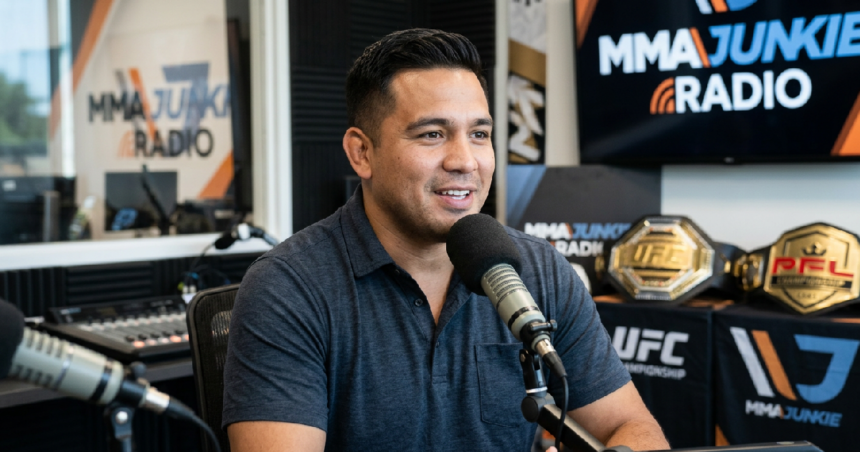
Danny Silva made his presence felt on the latest installment of MMA Junkie Radio, offering a fighter’s perspective on the busiest stretch of the spring combat sports calendar. As the industry grapples with a packed schedule across the UFC and PFL, Silva joined the broadcast to break down the technical nuances of recent performances and the shifting power dynamics between the major promotions.
The appearance on episode #3655 comes at a pivotal time for Silva, who has been steadily building his profile within the featherweight division. Rather than sticking to the standard talking points, Silva used the platform to dive into the tactical evolution of the sport, particularly how regional talent is bridging the gap to the global stage through organizations like the RAF.
Danny Silva Analyzes the UFC Featherweight Landscape
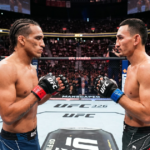
Much of the discussion centered on the current state of the UFC’s 145-pound class. Silva, who earned his way into the promotion with a hard-fought victory on Dana White’s Contender Series, spoke candidly about the level of competition at the top of the mountain. He noted that the technical ceiling continues to rise, making it harder for “one-dimensional” specialists to survive in the modern era.
But it wasn’t just about the elite. Silva highlighted the importance of the “grind” that defines the middle of the rankings. He suggested that while the fans focus on the champions, the real story of the sport right now is the logjam of talent waiting for a breakthrough. Silva expressed a desire to keep his momentum going, acknowledging that in the UFC, you are only as good as your last outing.
Assessing the PFL Global Season and RAF Development
The conversation pivoted to the Professional Fighters League (PFL) and its distinct tournament format. Silva offered a nuanced take on how the PFL’s “season” structure changes the way a fighter prepares compared to the traditional UFC matchmaking model. The physical toll of the PFL schedule is a recurring theme among analysts, and Silva reinforced the idea that longevity in that format requires a different level of damage management.
Furthermore, the mention of the RAF (Regional Active Fighters) circuit sparked a debate about the importance of the developmental leagues. Silva remains a vocal proponent of staying active. He argued that the jump from regional shows to the big screen is often more psychological than physical, and having a strong foundation in high-intensity regional bouts is what separates the prospects who flame out from those who stick.
Looking Ahead to the Summer Schedule
As the MMA world prepares for a series of high-profile cards, Silva’s insights serve as a reminder of the volatility inherent in the sport. He pointed out that several upcoming matchups in the UFC could fundamentally alter the trajectory of the featherweight and lightweight divisions before the year is out.
For Silva, the goal remains clear: staying ready and staying relevant. His appearance on MMA Junkie Radio reinforces his status as a student of the game, one who is as comfortable dissecting a tape as he is trading blows in the Octagon. As the PFL continues its season and the UFC enters a heavy summer stretch, Silva’s name is one that fans should expect to see more frequently, both on the airwaves and on the posters.
Frequently Asked Questions
What was Danny Silva’s main takeaway from the UFC cards?
Silva emphasized that the technical gap in the featherweight division is closing, and fighters who don’t evolve their wrestling and striking in tandem are becoming increasingly vulnerable against the current crop of talent.
How does Danny Silva view the PFL tournament format?
Silva noted that the PFL’s consistent schedule requires a high degree of durability. He believes the “league” style is excellent for visibility but places an immense physical burden on the athletes compared to the more sporadic scheduling of the UFC.
Why is the RAF circuit important for fighters like Silva?
Silva views regional platforms like the RAF as essential proving grounds. He believes these organizations allow fighters to work out their “nerves” and refine their professional habits before stepping onto the global stage under the bright lights of the UFC.