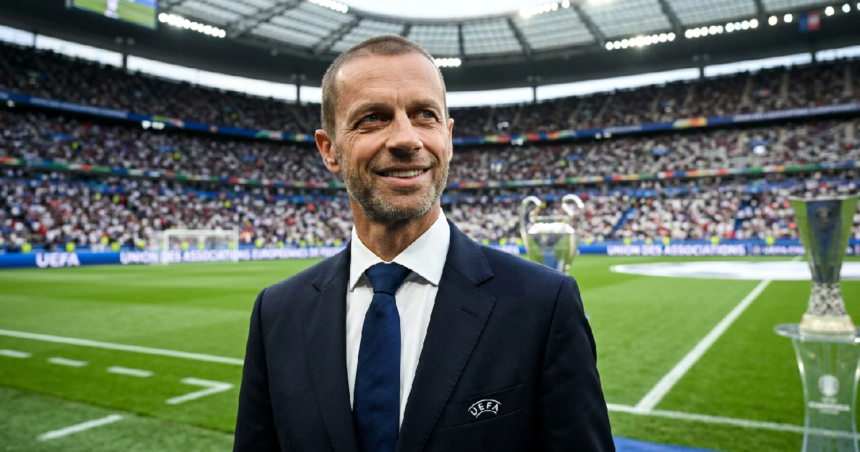
In a direct address to member associations and stakeholders today, UEFA President Aleksander Čeferin issued a assertive defense of the current European sporting model, claiming that “European football’s future is bright.” The comments come at a pivotal moment as the continent’s governing body continues to navigate the complexities of a revamped continental competition structure and persistent rumblings of external challenges.
Speaking in the wake of significant changes to the flagship Champions League format, Čeferin’s tone was one of consolidation rather than concern. He emphasized that the financial stability and competitive balance of the European game remain intact, despite the shifting dynamics of global sports investment and the legal shadow long cast by breakaway proposals.
Defending the European Sports Model
The core of Čeferin’s message focused on the “vitality” of the existing pyramid. For the UEFA president, the strength of the game lies in its open nature — the idea that qualification must be earned on the pitch rather than guaranteed by historical standing or financial clout. This “sporting merit” argument has been the cornerstone of his presidency, and he doubling down on it suggests UEFA feels it has the upper hand in the ongoing debate over the sport’s direction.
But it’s not just about the philosophy of the game. The financial metrics, according to the president, point toward an era of unprecedented growth. Revenues from broadcasting rights and sponsorship deals for the upcoming cycle are projected to reach record highs, providing the “oxygen” that keeps smaller leagues and grassroots initiatives functioning. While critics suggest the gap between the elite and the rest is widening, Čeferin maintains that the redistributive nature of UEFA’s model is more effective than any proposed alternative.
Navigating Competition and Control
The timing of these remarks is no coincidence. As clubs shift strategy as the summer transfer window looms, the pressure on UEFA to ensure its competitions remain the absolute pinnacle of the sport is immense. The new “Swiss model” for the Champions League is designed to provide more matches between high-profile teams earlier in the tournament — a direct response to fans’ appetites for marquee matchups.
And while the threat of a Super League has faded from its 2021 peak, the legal and political maneuvering in Brussels and beyond continues. By declaring the future “bright,” Čeferin is signaling to investors and disillusioned supporters alike that the governing body believes its reforms have successfully neutralized the primary complaints of the continent’s wealthiest clubs.
Growth Beyond the Elite Men’s Game
A significant portion of the “brightness” Čeferin alluded to involves the exponential rise of women’s football across Europe. The professionalization of domestic leagues and the surging television ratings for the Women’s European Championships have turned what was once a secondary concern into a central pillar of UEFA’s commercial strategy. The president noted that the development of the women’s game is no longer just a social responsibility but a massive economic driver.
Additionally, the focus on sustainability and financial fair play remains high on the agenda. New regulations aimed at ensuring clubs do not spend beyond their means are being phased in, with the goal of preventing the kind of boom-and-bust cycles that have threatened historic institutions in the past. It’s a difficult balancing act: keeping the product attractive for mega-investors while protecting the local identity of clubs.
What Lies Ahead for UEFA
The road forward is not without hurdles. The logistical demands of expanded tournaments and the physical toll on players remain points of contention with managers and players’ unions. However, Čeferin seems emboldened. His leadership has survived the greatest existential threat in the history of the Champions League, and he now appears ready to steer the organization into an era defined by digital expansion and global fan engagement.
As the football world prepares for a busy summer of international and domestic reorganization, the message from Nyon is clear: the current system isn’t just surviving; it’s thriving. Whether that optimism is shared by the fans in the stands will be tested when the new European season kicks off later this year.
Frequently Asked Questions
What does Aleksander Čeferin mean by a “bright” future for football?
He is largely referring to the record-breaking revenue figures from broadcasting and commercial deals, the successful implementation of new competition formats, and the rapid growth of the women’s game. He believes the “European Sports Model” is more resilient now than it was three years ago.
Is the Super League threat completely gone?
While the initial project collapsed, the legal debates regarding UEFA’s monopoly on competition organizing have continued. Čeferin’s recent comments are seen as a way of projecting confidence that UEFA has addressed the grievances that led to the breakaway attempt in the first place.
How will fans be affected by the changes the president is championing?
The most immediate change is the new format for the Champions League, Europa League, and Conference League. Fans will see more matches and more variety in opponents during the opening stages, though critics worry about the increased cost of following teams across an expanded schedule.