The Board of Control for Cricket in India (BCCI) has reportedly ushered in a significant shift for the Indian Premier League (IPL), introducing new regulations aimed at tightening match rules and, crucially, placing fresh restrictions on the roles of benched players. This move, according to initial reports, represents a strategic pivot designed to refine the league’s competitive integrity and overall dynamics.
For years, the IPL has captivated audiences with its blend of high-octane cricket and innovative tactical play. But the administrative body has clearly identified areas for refinement. These newly enacted changes are understood to target aspects of game management that influence squad composition and the impact of non-playing members on match outcomes. It’s a development that will undoubtedly spark considerable discussion among franchises, coaches, and fans alike.
Rethinking the Dugout’s Influence
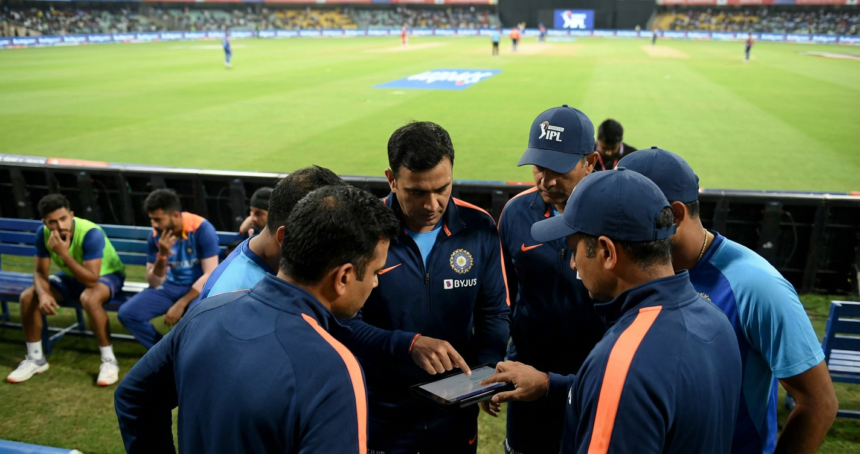
At the heart of the BCCI’s updated directives lies a recalibration of how benched players can contribute during a game. While the exact parameters of these restrictions have not been fully disclosed, the intent appears to be to streamline the on-field action and potentially reduce avenues for external influence once play is underway. This isn’t just a minor tweak; it reflects a broader effort to ensure that the core action remains firmly in the hands of the players on the pitch and the designated support staff.
The implications for team strategy are profound. Coaches will need to meticulously reconsider their squad selection and in-game management. Where once certain tactical advantages might have been gleaned through the active involvement of non-playing personnel, teams must now adapt to a more constrained environment. This could push teams to develop more robust pre-match planning and empower their on-field captains with even greater autonomy.
Strategic Ripple Effects Across the League
These rule adjustments will inevitably force franchises to re-evaluate their entire approach to squad construction and utilisation. A deeper bench, while always valuable, might now demand a different kind of strategic thinking. Teams might look for players with more versatile skill sets, capable of fitting into multiple roles, rather than hyper-specialised talents whose contribution might be limited by new restrictions. Effectively integrating these new constraints into their strategic framework could provide a significant advantage.
It’s a challenging prospect for teams, but also an opportunity. Those who can adapt most effectively could gain a significant edge. We’ve seen similar administrative shifts in other sports, where league-wide directives have reshaped competition and management structures, such as when Harlequins recently appointed a new head of rugby operations, demonstrating a focus on streamlined leadership. Such changes demand agility from clubs at every level.
For players themselves, especially those on the fringes of the starting XI, the new rules could alter their perceived value. The market for squad players might shift as teams prioritise different attributes under the new regime. The importance of player loyalty, much like a star cricketer’s commitment to a club, will remain a cornerstone, but the tactical contribution of every player on the roster will be scrutinised more closely.
What Comes Next for the IPL?
The upcoming IPL season will be the first true test of these new regulations. While the BCCI’s intention is to enhance the game, the practical application and impact on results remain to be seen. Will it lead to more decisive on-field captaincy? Will it force a more traditional, less interventionist coaching style during matches?
One thing is certain: the world’s premier T20 league continues to evolve. These changes underscore the BCCI’s commitment to maintaining the IPL’s competitive edge and ensuring it remains a spectacle of skill and strategy. As franchises digest these new directives, the coming weeks will likely see a flurry of internal discussions and tactical adjustments as teams prepare to navigate this new era of IPL cricket.