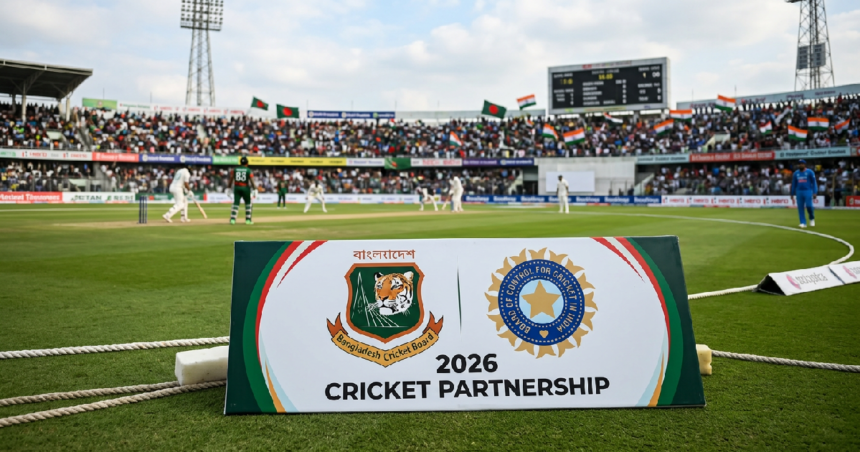
The Bangladesh Cricket Board (BCB) is reportedly making fresh overtures to the Board of Control for Cricket in India (BCCI) to establish a more robust bilateral relationship. This diplomatic push comes at a critical juncture for Bangladesh, as the nation looks to shore up its international calendar and secure more frequent high-profile fixtures against its neighbors.
Historically, the cricketing relationship between Dhaka and Mumbai has been lopsided. While Bangladesh has grown into a formidable force at home, the opportunities to play India in full series—particularly on Indian soil—have been relatively rare compared to other major nations. BCB officials are now signaling a desire to move beyond the occasional ICC tournament clash or short-format series, aiming instead for bridge-building initiatives that could benefit their domestic structure and developmental squads.
Strengthening the Subcontinental Axis
At the heart of the BCB’s proposal is a desire for more consistent bilateral exchanges. For the BCB, regular series against the BCCI are not just about the high revenue generated by television rights and sponsorships; they are about performance. Competing against the world’s most deep-pocketed and talent-rich cricketing nation is seen as the fastest way to bridge the gap between “competitive” and “elite” status.
Reports suggest that the BCB is interested in formalizing agreements that go beyond the senior men’s team. Potential partnerships could include “A” team tours, which are vital for testing bench strength, and reciprocal arrangements for under-19 and women’s teams. These “shadow tours” often serve as the proving ground for the next generation of talent, and having them take place in the varied conditions of India would be an invaluable asset for Bangladesh’s development pipeline.
The BCCI, for its part, holds most of the cards in these negotiations. With a packed international schedule and the massive window required for the Indian Premier League (IPL), finding space for additional bilateral series is a logistical puzzle. However, India has traditionally supported the growth of cricket in the region, and a stronger Bangladesh often translates to a more competitive and commercially viable Asia Cup.
Logistical Hurdles and the FTP Calendar
But the road to a more integrated partnership is not without its obstacles. The International Cricket Council’s (ICC) Future Tours Programme (FTP) is already congested. To fit in more India-Bangladesh contests, boards often have to look at shorter, “sprint” series or find gaps during periods where multi-format tours are not feasible.
And then there is the matter of venue selection and timing. Following recent shifts in the global cricketing landscape, several boards are re-evaluating their home seasons. The BCB is keen to ensure that when India does visit, it isn’t just for a fleeting three-match T20I series. They want the prestige of Test cricket and the tradition of the longer format to remain central to the rivalry.
The BCB has also faced internal pressure to improve the quality of its domestic pitches. By partnering with the BCCI, there is hope for knowledge-sharing regarding ground maintenance and curator expertise. If Bangladesh can replicate the pace and bounce found in some of India’s newer international venues, it would go a long way in preparing their players for tours outside the subcontinent.
Looking Ahead to 2026 and Beyond
As discussions progress, the focus will likely shift toward the next cycle of the FTP. The BCB knows that securing a commitment now is essential for their long-term financial planning. India remains the biggest draw in world cricket, and a confirmed visit from the “Men in Blue” allows the BCB to negotiate significantly higher domestic broadcasting deals.
We are also seeing a shift in how these boards interact on a political level within the ICC. Aligning with the BCCI often provides a strategic advantage in broader cricketing politics. For the BCB, being a close ally to the most powerful board in the world is a pragmatic move that ensures their voice is heard in discussions regarding global tournament structure and revenue distribution.
Whether this leads to a “golden era” of Indo-Bangla cricket remains to be seen. It will require the BCCI to find breathing room in a schedule that already feels fit to burst, and it will require the BCB to remain a competitive and attractive partner on the field.
Frequently Asked Questions
Why does the BCB want a closer relationship with the BCCI specifically?
India is the commercial powerhouse of cricket. Series involving India generate significantly higher revenue through broadcasting and sponsorship deals. Additionally, the proximity of the two countries makes logistics simpler, and the high level of competition helps Bangladesh improve its standing in world rankings.
How often do India and Bangladesh currently play each other?
While they meet regularly in multi-nation tournaments like the Asia Cup and ICC World Cups, bilateral series are less frequent. They usually occur once every couple of years, often consisting of short T20 or ODI series, with Test matches being even more infrequent.
Does this partnership affect domestic leagues like the IPL or BPL?
While not directly linked, closer ties between the boards can lead to better cooperation regarding player No Objection Certificates (NOCs). This makes it easier for Bangladeshi players to participate in the IPL and for Indian peripheral players to potentially feature in the Bangladesh Premier League (BPL), should BCCI policy ever shift on its players participating in foreign leagues.