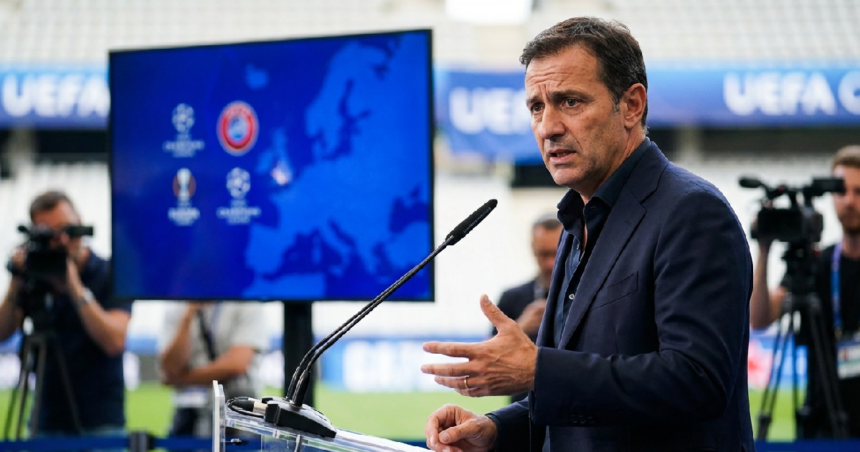
The financial and structural integrity of European football is under mounting pressure as the modern game grapples with a deepening divide between its elite clubs and the rest of the pyramid. Alberto Colombo, Deputy General Secretary of European Leagues, has highlighted a series of systemic challenges that threaten to alter the sport’s competition landscape permanently.
Speaking on the evolving pressures facing domestic competitions, Colombo focused on the delicate balance required to maintain the relevance of national leagues in an era increasingly dominated by expanded continental tournaments and shifting revenue models. His assessment comes at a time when the governing bodies of European football are navigating a complex web of player welfare concerns, calendar congestion, and the ever-present shadow of breakaway proposals.
The Erosion of Domestic Competitive Balance
One of the primary concerns raised by Colombo revolves around the widening financial chasm between the top-tier champions and the mid-tier clubs within domestic leagues. As UEFA club competitions increase their revenue distribution, teams that consistently qualify for these tournaments amass resources that their domestic rivals simply cannot match. This creates a “snowball effect” where the same handful of clubs dominate local standings year after year.
And it isn’t just about the money at the top; it’s about the viability of the entire ecosystem. Colombo suggested that the current trajectory risks turning domestic leagues into mere feeders or secondary considerations for global brands. The challenge lies in ensuring that revenue generated at the highest levels of European football filters down effectively to protect the “uncertainty of outcome” that makes football a compelling product for fans.
Calendar Congestion and Player Welfare
The expansion of the Champions League and the introduction of a revamped FIFA Club World Cup have pushed the footballing calendar to its absolute limit. Colombo noted that domestic leagues are finding it increasingly difficult to schedule matches without clashing with international windows or continental fixtures. This saturation does more than just exhaust the players; it threatens to dilute the commercial value of the domestic product by overwhelming the audience.
Player unions have already begun vocalizing their intent to take legal action regarding the workload. Colombo’s position emphasizes that the leagues themselves are also victims of this squeeze. When the international calendar expands, the domestic leagues—the traditional bread and butter of the sport—are the ones forced to make concessions, often losing lucrative weekend slots or seeing their stars sidelined by fatigue-related injuries.
The Looming Shadow of the Super League
While the initial European Super League project was met with fierce resistance, the underlying desires of the continent’s most powerful clubs have not vanished. Colombo acknowledged that the threat of a closed or semi-closed system remains a significant hurdle for European football’s traditional governance model. The ongoing legal and political battles over who controls the commercial rights to elite football continue to create a sense of instability.
To combat this, Colombo advocates for a “collaborative governance” approach. The idea is to bring all stakeholders—leagues, clubs, players, and fans—to the table to ensure that any changes to the European model are inclusive rather than exclusive. Without a united front, the risk of a fragmented sport remains high.
As clubs shift their recruitment strategies ahead of a pivotal summer, the background noise of these structural shifts will undoubtedly influence how teams across Europe plan for the long term. The stability of the domestic game is no longer a given; it is something that must be actively defended through policy and reform.
What Lies Ahead for the European Model
The road ahead involves navigating a series of high-stakes negotiations regarding the post-2026 international match calendar. Colombo and the European Leagues organization are expected to push for stronger protections for domestic windows and a more equitable distribution of wealth across all professional tiers.
Success will likely depend on whether UEFA and FIFA are willing to curtail their own expansionist ambitions in favor of the long-term health of the broader football pyramid. For now, the message from Colombo is clear: European football is at a crossroads, and the decisions made in the coming months will dictate the sport’s direction for the next decade.
Frequently Asked Questions
Who is Alberto Colombo and why are his views significant?
Colombo is a senior figure at European Leagues, the body representing domestic professional football leagues across Europe. His role involves protecting the interests of leagues like the Premier League, La Liga, and the Bundesliga against the encroachment of global and continental competitions.
What is the main threat to domestic football leagues according to experts?
The primary threat is “calendar cannibalization.” As international and continental tournaments grow larger, they take up more time and space, leaving domestic leagues with fewer prime broadcasting slots and putting an unsustainable physical burden on the players.
How can football fix the financial gap between big and small clubs?
Proposed solutions include more aggressive solidarity payments, where a higher percentage of Champions League revenue is distributed to teams that do not qualify for the tournament. This helps maintain a competitive balance so that domestic titles aren’t won by the same club every single year.