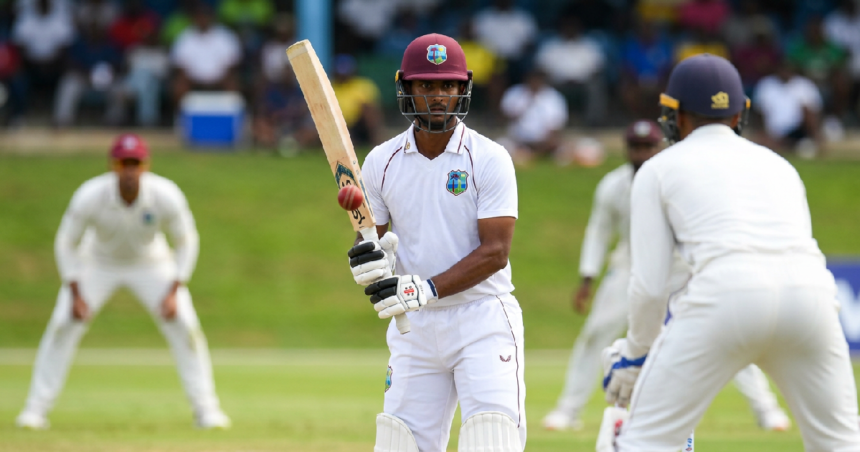
In an era where the shortest formats of cricket dominate the global conversation, Tagenarine Chanderpaul has reminded the world that the art of the defensive “stonewall” remains a fixture in the Caribbean. The Guyana Harpy Eagles opener produced a defiant, albeit slow-burning, innings during a recent West Indies Championship encounter against the Windward Islands Volcanoes. His stay at the crease reportedly lasted several hours, yielding a modest total that prioritized survival over scoring speed.
The performance was a quintessential display of the defensive resilience that defined his father’s legendary career. While the modern game often rewards aggression and rapid strike rates, the younger Chanderpaul’s knock felt like a throwback to a period where anchoring an end was the ultimate objective for an opening batter. Reports indicate that he faced a significant volume of deliveries while finding the boundary on only a single occasion, embodying the grit that has become a hallmark of his family’s cricketing reputation.
## Defiance Against the New Ball in Grinding Effort
The context of the match reportedly demanded a steady hand following an underwhelming first-innings total from the opposition. Guyana needed to ensure they did not suffer a similar collapse under the pressure of a first-class contest. While his opening partner reportedly played with considerably more fluency, Chanderpaul remained anchored to the other end for the duration of the opening day’s play.
By the close of the first day, Chanderpaul had ground his way to a low score after facing over a hundred deliveries. His presence allowed Guyana to reach the stumps with minimal damage, providing a platform for the middle order. The restart on the following day saw the scoring rate dip even further as report indicate he added only a handful of runs to his overnight total before finally being dismissed.
This patient approach is not unlike the strategic shifts seen in other professional sports, such as when Manchester United prioritize defensive stability to shore up their backline. The frustration among the Volcanoes’ bowlers was palpable, yet Chanderpaul remained unfazed. His ability to leave the ball and defend the good ones ensured that the opposition had to earn every breakthrough.
## Assessing the Tactical Value of Endurance
Chanderpaul’s “blockathon” has sparked debate regarding the role of the traditional anchor in regional cricket. His vigil reportedly lasted several hours, making it one of the most prolonged displays of defensive batting seen in the domestic circuit in recent seasons. This news follows a trend of varying paces in sport, much like the recent updates from equestrian and tennis circuits, where endurance often dictates the eventual winner.
While he was eventually dismissed before reaching a half-century, the sheer volume of time he spent at the crease served a specific tactical purpose. In multi-day cricket, wearing down a bowling attack can pay dividends later in the match as the bowlers’ energy levels wane. Much like how UFC fighters must manage their physical resources across a scheduled bout, Chanderpaul managed his mental energy to ensure he outlasted the initial burst of the new ball.
## Maintaining a Traditional Legacy in Guyana
For the younger Chanderpaul, this performance is unlikely to draw criticism from the Guyana coaching staff despite the slow progress. His role as the stabilizer in the Harpy Eagles’ top order is well-defined. By absorbing a vast number of deliveries, he shielded the later batters from the newest and most dangerous ball—a specialized job description that his father mastered over the course of a long international career.
As the West Indies Championship continues, the focus will remain on whether this traditionalist approach can help Tagenarine secure a permanent place in the national Test side. In a world increasingly defined by aggressive shot-making, there remains an essential niche for the player who simply refuses to be removed. For now, Chanderpaul’s one-boundary marathon remains a major talking point of the Caribbean season, serving as a stubborn reminder that the best offense is sometimes a relentless defense.