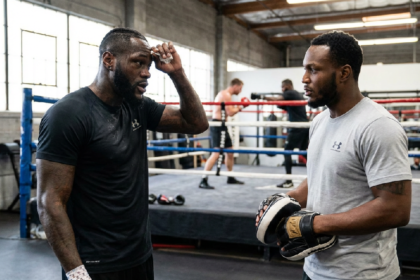
Rolly Romero has moved to distance himself from a potential showdown with Devin Haney, indicating that he is no longer pursuing negotiations with the former undisputed champion. Following a period of public back-and-forth and intense speculation regarding a headlining bout, Romero voiced his frustration with what he described as a lack of serious commitment from the Haney camp to finalize a contract.
The junior welterweight contender, known for his direct and often polarizing personality, suggested that the breakdown in communication was not due to a refusal to compromise on his part. Instead, he characterized the situation as a reluctance from the opposing side to move forward with a high-stakes encounter. Reports suggest that negotiations reached an impasse despite efforts to find a middle ground that would satisfy both promotional and personal interests. Just as Makhachev targets two-division glory in the UFC, the boxing world continues to see elite athletes struggle to align their personal ambitions with the commercial realities of the sport.
Negotiation Hurdles and Market Value
Romero did not shy away from discussing the financial and logistical complexities that reportedly stalled the fight. While official details remains private, it is understood that the proposed deal involved discussions around a revenue split and potential broadcast partnerships. There were indications that multiple platforms could have been involved, providing the flexibility for both fighters to satisfy existing contractual obligations with their respective networks.
However, Romero has argued that difficulties in securing a significant enough commercial guarantee may have played a role in the collapse. He expressed the view that his potential opponent has struggled to demonstrate the gate and viewership figures necessary to support certain purse demands in the current market. This debate over “star power” and drawing ability frequently creates bottlenecks in professional boxing, often preventing the most anticipated matchups from becoming a reality.
The situation highlights a growing trend where top-tier bouts are complicated by a fragmented media landscape. While fans are eager for big events, the technical and financial infrastructure must be perfectly aligned. We have seen similar technical hurdles in other major sports, such as the streaming glitches impacting major league openers, proving that even the biggest organizations are still navigating the transition to modern digital distribution models.
Perceptions of Risk in the Junior Welterweight Division
In the wake of the failed talks, Romero has maintained that he is one of the more difficult fighters to pin down for a contract. He suggested that several high-profile names in and around the junior welterweight and welterweight divisions have entered into discussions only to eventually seek other opponents. In his view, his name is frequently used to generate publicity during the early stages of a promotion before other fighters pivot to what he considers more predictable matchups.
He dismissed the idea that he is an easy mark for the division’s elite, questioning why champions would hesitate to face him if they were confident in a victory. He believes that his particular style and punching power represent a tactical risk that many contenders are hesitant to take unless the financial reward is exceptionally high. As the sport continues to evolve, these internal politics often dictate the schedule of major events, much like the shifts currently being observed in the tennis and racing worlds.
Future Directions for Romero
For Romero, the immediate focus is reportedly on finding a new opponent and leaving the Haney narrative behind. He has suggested that the bridge to that specific matchup is now effectively burned, signaling a desire to work with promoters who are ready to move quickly on a signed agreement. The junior welterweight landscape remains one of the most talented in the sport, but the divide between different promotional houses and rival networks continues to make matchmaking a secondary concern to the business of boxing.
Whether Romero can secure the major event he is looking for will likely depend on his ability to find a partner who values his specific brand of entertainment. For the time being, the chapter on a Haney fight is closed, and both athletes are expected to turn their attention toward other possible opponents as they look to maintain their status at the top end of the 140-pound division. It remains a volatile marketplace where the distance between a “done deal” and a total collapse is often shorter than fans realize.