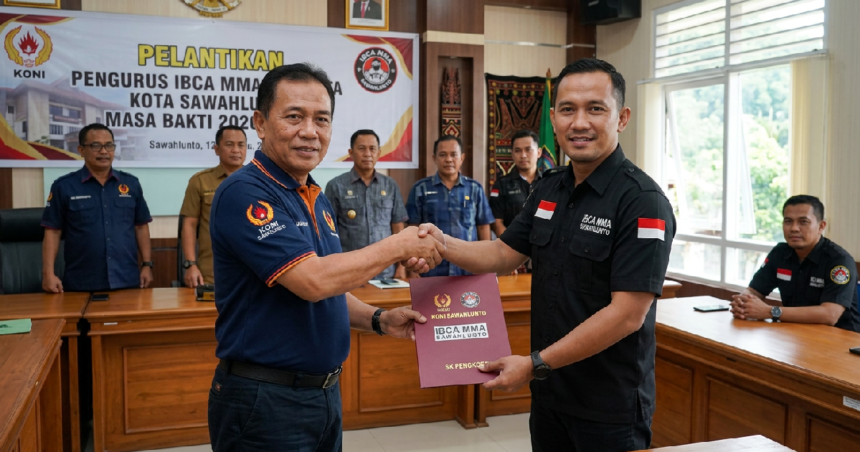
The combat sports landscape in West Sumatra is undergoing a period of formalization as the Indonesian Integrated Mixed Martial Arts Federation (IBCA MMA) strengthens its organizational presence in Sawahlunto. In a recent official proceeding, the leadership of the National Sports Committee of Indonesia (KONI) for Sawahlunto reportedly finalized the administration of the local IBCA MMA management team. This step is widely seen as a strategic move to professionalize the sport within the region and create a legitimate pipeline for local athletes to reach national competitions.
This administrative development marks a shift toward a more structured approach to athlete development. By establishing a recognized management committee for the coming years, local officials aim to move away from informal exhibitions and toward regulated competitions that follow the unified rules of mixed martial arts. The rise of MMA in this part of Indonesia mirrors a broader trend across the country, where the sport’s popularity has climbed steadily, influenced by the visibility of professional fighters on the international stage.
Building a Professional Infrastructure for MMA
The formal recognition of the new City Management (Pengkot) for IBCA MMA is framed as more than just a bureaucratic update. It is intended to serve as the structural foundation for a grassroots system that can identify and nurture talent. The newly appointed leadership is expected to prioritize several key areas, including the certification of qualified coaches, the training of referees, and the oversight of training facilities to ensure they meet modern safety standards.
KONI representatives in Sawahlunto have indicated that IBCA MMA should act as a unifying platform for martial artists who have previously focused on specific disciplines such as Pencak Silat, Karate, or Kickboxing. By bringing these practitioners under the MMA umbrella, the city hopes to develop a versatile pool of talent capable of representing the region in multi-sport events. The growth of the sport reflects a global evolution where pioneering figures like Rousey and Carano shaped the modern UFC era by demonstrating the athletic and commercial potential of a well-regulated combat sport.
Long-Term Objectives for Sawahlunto Management
The management team faces a busy schedule as it begins its new tenure. Reports suggest that a primary objective involves identifying and registering existing dojos and martial arts clubs under the official IBCA MMA banner. This registration is a necessary step for ensuring that athletes are covered by appropriate protocols and that competitions are held within standardized weight classes with necessary medical oversight.
However, the path to a fully realized MMA ecosystem in the region is not without its hurdles. Unlike long-established sports, MMA must continue to build its institutional credibility. This requires a sustained effort to educate the public on the various regulations that distinguish a sanctioned sport from unorganized fighting. The success of the management will likely be determined by how many local fighters can successfully transition into provincial and national brackets in the near future.
Collaboration with KONI and Regional Integration
The backing of KONI is a significant milestone for the local MMA community. As the governing body overseeing sporting activities in Indonesia, KONI provides a level of legitimacy and institutional support that is difficult for independent organizations to achieve. By formalizing the management team, the city is signaling that it considers MMA a high-priority discipline, particularly as combat sports are often key areas for securing medals in regional championships.
While current efforts are focused internally, the broader goal is to turn Sawahlunto into a regional center for martial arts. Just as elite world-class fighters like Makhachev target two-division glory at the highest levels of the sport, local athletes are being encouraged to look toward national recognition. The official decree for the management team provides the logistical and administrative framework necessary for those athletes to pursue such ambitions.
Regional Outlook for the Indonesian Fight Scene
With the administrative foundations now in place, the IBCA MMA City Management is anticipated to layout a schedule for local tournaments and educational clinics in the coming months. These events will provide an initial assessment of how effectively the new administration can organize safe and competitive fight cards. There is a palpable sense of momentum among local practitioners who believe the region can establish itself as a formidable player in the Indonesian MMA scene.
The next phase involves the complex task of athlete recruitment and the refinement of training systems to meet modern competitive demands. However, with the formal support of KONI and a multi-year administrative mandate, the direction for the sport in Sawahlunto is more defined than in previous years. As the discipline continues to mature, organized management will be the deciding factor in whether these local prospects can reach the heights seen in major organizations. In a sport where Adesanya faces Joe Pyfer and other top talents in high-stakes matches, the fighters of Sawahlunto are now entering a system designed to give them a similar, if local, platform to prove their skills.