The global rugby landscape is bracing for a period of significant transition as coaching shifts and structural changes to the international calendar begin to take shape. With traditional powerhouses navigating leadership changes and emerging nations seeking greater competitive standing, the sport appears to be entering a phase defined by realignment and tactical evolution.
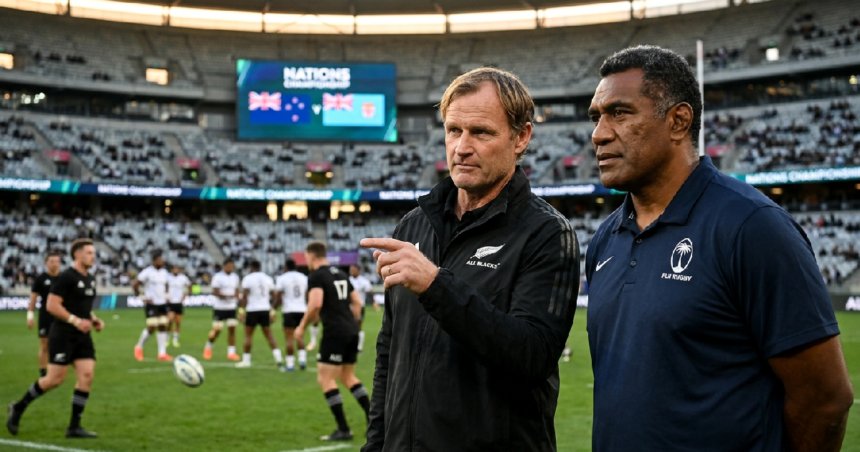
The New Zealand national side finds itself at the center of this uncertainty following reports of changes within their coaching structure. The potential departure of key staff has sparked widespread discussion regarding the tactical direction of the All Blacks. There is speculation that the union may look toward experienced figures with a proven track record of structured, detail-oriented rugby to provide stability. Such a pivot would represent a move away from recent philosophies as the team looks to maintain its standing at the summit of the international game.
On the pitch, the leadership mantle in New Zealand is also the subject of intense debate. While the captaincy has traditionally been a long-term appointment, recent performances and coaching shifts have led to suggestions that a change in seniority could be on the horizon. Experienced veterans within the forward pack are reportedly being considered for more prominent roles to steady the side during a period of transition. These internal shifts come as the team prepares for a demanding schedule that includes challenging fixtures on the road against their traditional rivals in the Southern Hemisphere.
The broader international framework is also set for a major overhaul with the anticipated arrival of a new global tournament structure. This initiative is designed to provide Tier 2 nations with more consistent access to high-level competition, moving away from the traditional model of isolated home-and-away tours. Fiji, in particular, is viewed as a team that could benefit most from this shift. Their growing influence in both domestic franchise competitions and European leagues has positioned them as a formidable threat to the established order. Reports indicate that the Flying Fijians are prioritizing specific fixtures against Northern Hemisphere opposition as they look to prove their credentials as a consistent top-tier threat.
The ripple effects of these international developments are being felt across domestic competitions as well. In Super Rugby, there is a growing sense that the Queensland Reds are reaching a point of maturity under their current coaching staff. After several years of building a squad capable of competing at the highest level, the Brisbane-based side is expected by many observers to become a more consistent force in the knockout stages of the competition.
Individual talent continues to emerge as a driving force behind these shifts. Players returning from long-term injuries are expected to play a crucial role in their respective national setups. The development of young scrum-halves in the Southern Hemisphere, for instance, remains a focal point for scouts and fans alike. Meanwhile, in Japan’s League One, the influence of veteran overseas playmakers continues to show the value of experience in guiding younger squads toward silverware.
In the sevens arena, the standards for high-performance rugby continue to be set by the Australian women’s program. Their success in integrating athletes from diverse sporting backgrounds into a cohesive tactical unit has maintained their position at the top of the world rankings. As the global sevens circuit continues to evolve, the gap between the leading nations and the chasing pack remains a key narrative for the sport.
As the international window approaches, rugby finds itself in a period of genuine unpredictability. Between high-profile coaching transitions and the implementation of a more integrated global calendar, the established hierarchy of the sport is facing its most significant pressure in recent memory. How these teams adapt to the changing landscape will likely dictate the balance of power for years to come.