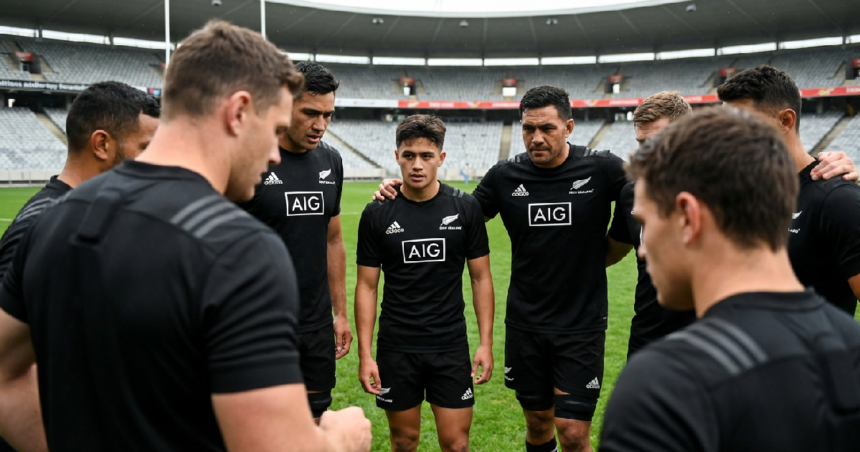
The New Zealand sevens setup appears to be entering a period of transition as they prepare for the opening stages of the latest World Championship Series. Reports indicate that the squad selection for the upcoming tournament includes an uncapped player, signaling an intent to refresh the roster while maintaining a core of seasoned internationals. This blend of youth and experience is often a hallmark of teams looking to sustain success over a long and grueling global circuit.
Managing the integration of fresh talent into a high-performance environment is a delicate process. According to reports, the coaching staff has been monitoring domestic form closely, looking for individuals capable of meeting the physical demands of international sevens. By introducing a newcomer at the start of the series, the program continues its historical trend of testing depth early in the cycle, ensuring that the next generation of players is blooded alongside established figures who understand the tactical nuances of the game.
This strategic approach to squad depth is mirrored in other regions of the rugby world. For instance, the recent English Rugby Mandates regarding club spending highlights the growing emphasis on sustainable squad management and resource allocation within the professional game. While the sevens circuit operates on a different scale, the fundamental need to balance a roster between peak performers and emerging prospects remains a universal challenge for directors of rugby.
Maintaining competitive standards
The All Blacks Sevens have traditionally relied on a strong leadership group to maintain their standards on the world stage. Sources suggest that the presence of several veterans in the latest squad travel list is intended to provide a stable platform for the newer members of the group. These senior players are expected to anchor the team’s defensive systems and provide composure during the high-pressure moments that define the opening rounds of any tournament.
Preparation for the new campaign has reportedly involved a significant focus on fitness and tactical versatility. As the speed of the international game continues to increase, the ability to adapt to different styles of play—from the physical confrontation favored by some northern hemisphere sides to the expansive approach of Pacific nations—is crucial. The organizational focus on these pathways is a recurring theme in top-tier rugby, similar to how Harlequins appoint Joe Gray to oversee certain rugby operations, ensuring that the structure behind the scenes supports the performance on the pitch.
But the challenge for any debutant in this environment is the sheer pace of the transition from provincial or age-grade rugby to the World Series. The speed of thought required to execute under fatigue is something that can only truly be tested in a competitive setting. The coaching group’s decision to name a fresh face suggests a high level of confidence in the player’s ability to bridge that gap quickly.
Looking toward the tournament circuit
As the team prepares to travel, the focus will likely shift toward fine-tuning the set-piece and restart strategies that are so pivotal in sevens. Reports from within the camp indicate that internal competition for a spot in the starting seven has been intense during recent training sessions. This internal pressure is often cited as a key driver for performance levels, preventing complacency among those who have been fixtures in the team for several seasons.
And while the immediate goal is a strong showing in the opening tournament, there is an overarching objective to build a squad capable of competing for the series title by the end of the year. The tactical landscape of sevens is constantly shifting, with teams frequently introducing new defensive alignments to counter the evolving attacking trends seen last season. New Zealand’s ability to remain at the forefront of these shifts will be tested immediately as they face a variety of opponents with contrasting styles.
Ultimately, the inclusion of a newcomer is a calculated risk, but one backed by a system that has historically produced some of the finest players in the history of the shorter format. If the debutant can find their rhythm early and the veterans maintain their expected levels of output, the All Blacks Sevens should remain a significant force as the international season gets underway.