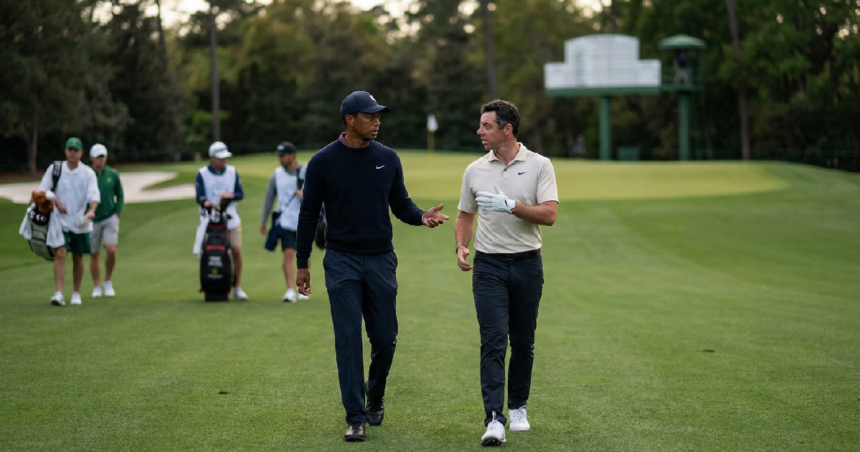
The tension between traditional professional golf and the Saudi-backed LIV Golf circuit has flared once again as the sport prepares for its most prestigious week. With the Masters looming, a former LIV Golf player has reportedly opened up about his decision to walk away from the breakaway tour, citing concerns over the competitive environment and the long-term direction of the league. At the same time, Tiger Woods has found himself at the center of a debate regarding the current state of the PGA Tour and his role in its recent structural changes.
The exit from LIV Golf and the pursuit of majors
While most of the movement in the professional game has been away from the PGA Tour toward LIV, a rare reversal has caught the attention of the golfing world. A prominent Masters competitor, who previously signed with the LIV circuit, has elaborated on the reasons behind his departure. Reports suggest that the lack of World Golf Ranking points remains a primary driver for top talent looking to return to professional structures recognized by the major championships.
The player indicated that the limited field format and the absence of a cut on the LIV tour had begun to impact his competitive edge. The move back to the traditional circuit was, by his account, a necessity to ensure his game remained sharp enough to compete at Augusta National. But it isn’t just about the format; there is an underlying sense that the legacy of winning historic titles still carries more weight for some than the guaranteed purses offered by the rival league.
Tiger Woods and the PGA Tour struggle
As these internal shifts occur, Tiger Woods is facing scrutiny for his leadership role within the PGA Tour. As a player-director on the Tour’s Policy Board, Woods has been instrumental in negotiations regarding the future of the game and the potential merger or investment deal with the Public Investment Fund (PIF) of Saudi Arabia.
Critics have argued that the current direction of the tour, which has seen the introduction of “Signature Events” with limited fields and high prize money, mirrors the very model LIV Golf was criticized for. Some players and commentators have suggested that the focus on the elite tier of the game—championed by Woods and Rory McIlroy—is alienating the broader membership and failing to address the fundamental split in the sport. The criticism leveled at Woods suggests he may be too close to the administrative side of the game, potentially losing sight of the needs of the rank-and-file professionals.
The Masters as a neutral ground
Despite the rhetoric and the administrative battles, Augusta National remains the one place where both sides of the divide meet. The return of LIV players to the Masters field provides a rare data point for how the two tours compare in terms of current form. While the political infighting continues in boardrooms, the focus for the next few days will shift to whether the LIV contingent can outperform the PGA Tour loyalists on the world’s most famous patch of grass.
The narrative of the “defector” returning to the fold adds a layer of complexity to the tournament. It highlights the reality that for many, the financial security of LIV was a temporary relief, but the lack of historical prestige and ranking points remains a significant hurdle that the league has yet to clear.
What the future holds for professional golf
The coming months are expected to be pivotal for the governance of the sport. Negotiations between the PGA Tour, DP World Tour, and the PIF are reportedly ongoing, though a final resolution remains elusive. The departure of players from LIV back to the established tours, combined with the internal friction within the PGA Tour policy board, suggests that the current “peace” is fragile at best.
Whether Woods can navigate the criticism and help deliver a unified professional circuit remains the biggest question in the sport. For now, the focus remains on the tee box at Augusta, but the shadow of the boardroom battle is longer than ever.
Frequently Asked Questions
Why did a Masters star decide to leave LIV Golf?
The decision was reportedly driven by a desire to compete in events that offer World Golf Ranking points and the traditional tournament structure. Maintaining a high world ranking is essential for qualifying for major championships like the Masters and the Open Championship, which LIV events currently do not provide.
What are the main criticisms against Tiger Woods right now?
Woods is being criticized for his role in shaping the PGA Tour’s new “Signature Events” model. Some believe this model creates a closed-shop environment that favors the top players at the expense of the rest of the tour membership, while others feel the progress on a definitive deal to unify the sport has been too slow under his watch.
Can LIV Golf players still play in the Masters?
Yes, Masters eligibility is determined by specific criteria such as past wins, recent major victories, and world ranking. Players who joined LIV Golf are still eligible to play if they meet any of these criteria, regardless of which tour they currently play on.