The University of Connecticut’s athletic department has received a massive financial boost that officials are calling a turning point for the program’s long-term sustainability. A group of UConn alums has committed a $15 million gift specifically designed to bolster the university’s sports programs, a move that comes at a time of significant transition for collegiate athletics nationwide.
The donation is one of the largest single philanthropic contributions in the history of the university’s athletic wing. While the specific identities of the donors are often kept private in the initial stages of such announcements, the scale of the gift reflects a growing trend of high-net-worth individuals stepping in to ensure their alma maters remain competitive in an increasingly expensive landscape of Division I sports.
Strengthening the Foundation of Husky Athletics
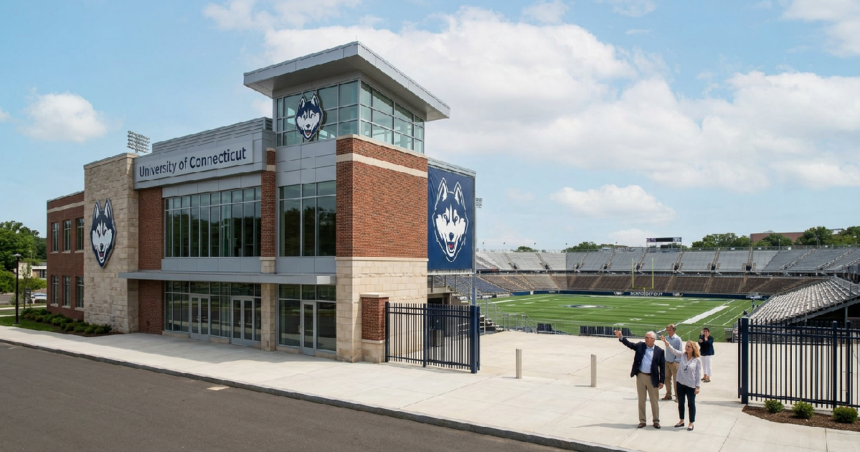
This $15 million infusion is not just a symbolic gesture; it is intended to be “transformational” in its application. UConn has long been a powerhouse in specific arenas, most notably basketball, but maintaining elite performance across all scholarship sports requires a constant stream of capital. The university has indicated that these funds will likely be directed toward infrastructure improvements, student-athlete services, and the overall modernization of training facilities.
In recent years, the gap between the “haves” and “have-nots” in college sports has widened, driven largely by television contracts and the emergence of Name, Image, and Likeness (NIL) requirements. For a school like UConn, which operates as an independent in football but remains a formidable force in the Big East for other sports, these private gifts are the lifeblood that allows them to keep pace with schools in the Power Four conferences.
Why Philanthropy is the New Recruiting Tool
It’s no secret that facilities win recruitment battles. When a high school star walks through the doors of a training center, they aren’t just looking at the trophies in the lobby—they are looking at the recovery technology, the academic support centers, and the quality of the practice courts. This $15 million gift gives UConn the flexibility to address those needs without relying solely on state funding or ticket revenue.
But there is also the matter of coaching stability. Major donations allow athletic departments to remain competitive when it comes to retaining top-tier coaching talent. In an era where successful coaches are frequently poached by programs with deeper pockets, having a dedicated war chest for “sports programs” more broadly can help pad the operational budgets that keep a winning culture intact.
Looking Toward a Multi-Sport Future
While the men’s and women’s basketball programs often command the headlines in Storrs, this gift is expected to have a “rising tide” effect. Whether it is improving the soccer facilities or enhancing the resources available to the baseball and volleyball teams, the goal is to create a holistic environment where excellence is the standard across the board.
The timing is also critical. As the NCAA’s legal and structural framework continues to shift, schools that have the backing of committed, wealthy alumni are the ones most likely to weather the storm. This gift sends a clear message to the rest of the collegiate world: UConn has no intention of fading from the national spotlight.
Frequently Asked Questions
How will the $15 million be allocated within the department?
While the full breakdown hasn’t been made public, the university describes the gift as “transformational” for its sports programs. This typically suggests a mix of capital projects, such as facility upgrades, and the enhancement of support services for student-athletes.
Who provided this gift to the university?
The donation comes from a group of UConn alumni. Specific names are often withheld or released at a later date, but the university has highlighted their long-standing commitment to the Husky community.
Does this money go toward NIL deals for players?
Generally, direct gifts to a university’s athletic department are separate from NIL collectives. While this money supports the infrastructure and programs the athletes use, NIL compensation is usually handled through third-party collectives or direct endorsement deals, though a stronger athletic department often helps attract better NIL opportunities.